


site search
online catalog
Relics
Showing 101 to 105 out of 314

EXCAVATED MODEL 1855 SOCKET BAYONET MADE INTO POT HOOK
This is a M-1855 socket bayonet in very good, “dug” condition. Bayonet has been cleaned and coated and the iron is in very stable condition. The tip has been broken off and the next 2 ½”… (1000-1380). Learn More »
$360.00
Originally $450.00

RARE CONFEDERATE “THREE SQUARE” SOCKET BAYONET MADE INTO POT HOOK
This is an excavated example of a Confederate-made musket socket bayonet. Measuring approximately 21” overall with a 2 ¾” socket. This was made for an early .69 caliber musket with a bayonet… (1000-1374). Learn More »
$715.00
Originally $895.00
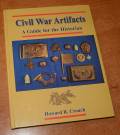
BOOK – CIVIL WAR ARTIFACTS, A GUIDE FOR THE HISTORIAN BY CROUCH
A classic “relic book” by Howard R. Crouch. Printed hardcover, 8.5” x 11”, 238 pages. Very good condition from the library of William Turner. The pages are filled with photographs of great… (1266-1086). Learn More »
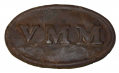
EXCAVATED CIVIL WAR “VMM” OVAL WAIST BELT PLATE
Presented here is an excavated “Volunteer Militia of Maine” oval waist belt plate that was issued to the State’s volunteer infantrymen early in the Civil War. Maine formally organized its… (1000-1541). Learn More »
$1,480.00
Originally $1,850.00
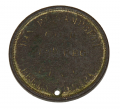
DUG CIVIL WAR ID DISK FOR 12TH PENNSYLVANIA RESERVES (41st PENNSYLVANIA) SOLDIER
Front of the tag has a bust of General McClellan surrounded by “MAJOR GENERAL GEO. B. MCCLELLAN / WAR OF 1861.” Face is dark with gilt remaining in the low areas. Reverse is stamped “DANIEL… (1000-1836). Learn More »
$1,800.00
Originally $2,250.00
Showing 101 to 105 out of 314
Most Popular
Historical Firearms Stolen From The National Civil War Museum In Harrisburg, Pa »
Theft From Gravesite Of Gen. John Reynolds »
Selection Of Unframed Prints By Don Troiani »
Fine Condition Brass Infantry Bugle Insignia »
featured item
THE MILITARY EFFECTS AND MORE OF MAURICE LEYDEN, THIRD NEW YORK CAVALRY
This grouping came directly from the Leyden family in 1998 and within a few months was in the Ray Richey collection. Maurice Leyden was 22 years of age when he enrolled at Syracuse in the military June 12, 1861. By July of 1861 he was a second… (1268-777). Learn More »
site search