

site search
online catalog
Relics
Showing 146 to 150 out of 314
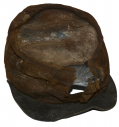
REGULAR ARMY CIVIL WAR ENLISTED KEPI WITH INDIAN WAR USE FROM FORT PEMBINA, NORTH DAKOTA
This Civil War enlisted man’s kepi comes from excavations at Fort Pembina, ND, conducted on private property with the owner’s permission. The fort was established in 1870 by troops of the 20th US… (1052-250). Learn More »
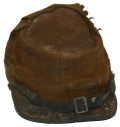
REGULAR ARMY CIVIL WAR ENLISTED KEPI WITH INDIAN WAR USE FROM FORT PEMBINA, NORTH DAKOTA
This Civil War enlisted man’s kepi comes from the excavations at Fort Pembina, ND, conducted on private property with the owner’s permission, and is in a remarkable state of preservation from the… (1052-252). Learn More »
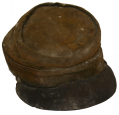
REGULAR ARMY MODEL 1872 KEPI FROM FORT PEMBINA, NORTH DAKOTA
This Model 1872 officer’s kepi comes from excavations at Fort Pembina, ND, conducted on private property with the owner’s permission. The fort was established in 1870 by troops of the 20th US… (1052-248). Learn More »
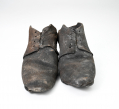
INDIAN WAR ARMY SHOES BY MUNDELL FROM FORT PEMBINA, ND
This pair of shoes is from the excavations at Fort Pembina, ND, and could be taken for attic or barn-finds, having been preserved by the wet, anaerobic soil conditions of the dig. They are solid, can… (1052-387). Learn More »
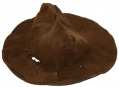
INDIAN WAR FIELD-USED CAMPAIGN HAT MADE FROM A CIVIL HARDEE HAT
This is a real field-used example of an Indian War US Army campaign hat made from a Civil War M1858 issue dress hat (the “Hardee” or “Jeff Davis” hat) that comes from the excavations at Fort… (1052-245). Learn More »
Showing 146 to 150 out of 314
Most Popular
Historical Firearms Stolen From The National Civil War Museum In Harrisburg, Pa »
Theft From Gravesite Of Gen. John Reynolds »
Selection Of Unframed Prints By Don Troiani »
Fine Condition Brass Infantry Bugle Insignia »
featured item
FROCK COAT, SASH, EPAULETS AND SWORD BELT OF COLONEL AND BREVET BRIGADIER GENERAL ELI HOUSTON MURRAY, 3rd KENTUCKY CAVALRY
This set consists of a wonderful, identified Union cavalry colonel’s frock coat, epaulets, sash and sword belt, all in excellent condition and belonging to Col. E.H. Murray, 3rd Kentucky Cavalry, who saw action in Kentucky, Mississippi, Alabama,… (1268-783). Learn More »
site search