


site search
online catalog
Relics
Showing 216 to 220 out of 314
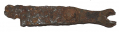
MODEL 1855/61 GUN TOOL ONCE OWNED BY J. HOWARD WERT
Recovered at Gettysburg, this is a complete Model 1855/61 gun tool. It is heavily rusted and the screwdriver tip is rusted tight. At the time of the Gettysburg campaign, twenty-two year-old John… (224-798). Learn More »
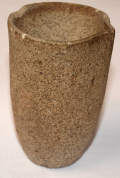
MID 19th CENTURY CRUCIBLE ONCE OWNED BY J. HOWARD WERT
One of many articles amassed by Wert after the Battle of Gettysburg. A crucible is also a container in which metals are melted, usually for temperatures above 500 °C. Crucibles are made of graphite… (224-794). Learn More »
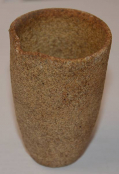
MID 19th CENTURY CRUCIBLE ONCE OWNED BY J. HOWARD WERT
One of many articles amassed by Wert after the Battle of Gettysburg. A crucible is also a container in which metals are melted, usually for temperatures above 500 °C. Crucibles are made of graphite… (224-793). Learn More »
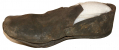
SCARCE CIVIL WAR ISSUE SHOE ALTERED TO CAMP/BARRACKS SHOE
The army did not issue “post,” “barracks,” or “camp” shoes until the 1880s. Before that it was up to soldiers to privately purchase or improvise footwear that might prove more comfortable… (1052-426). Learn More »
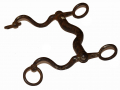
U.S. ARMY MODEL 1892 CURB BIT ONCE OWNED BY J. HOWARD WERT
This piece of US horse equipment is an original U.S. Army curb bit of the 1892 First Pattern, (a.k.a. the Whipple Bit) and was once owned by Gettysburg native J. Howard Wert. In strong condition, this… (224-790). Learn More »
Showing 216 to 220 out of 314
Most Popular
Historical Firearms Stolen From The National Civil War Museum In Harrisburg, Pa »
Theft From Gravesite Of Gen. John Reynolds »
Selection Of Unframed Prints By Don Troiani »
Fine Condition Brass Infantry Bugle Insignia »
featured item
VERY RARE 1834 ENGINEER AND MEDICAL STAFF SWORD BY HENRY BOKER, BELONGING TO BREVET BRIGADIER GENERAL JOHN HENDRICKSON, WHO LOST A LEG AT FREDERICKSBURG, 83rd NEW YORK VOLS (9th NYSM) AND 13th V.R.C.
New patterns of swords for the U.S. army were developed from 1832 to 1834. This elegant smallsword pattern (variously called by collectors the 1832 or 1834 pattern) was designated for officers of Engineers and Medical Staff (and Pay Department as… (870-325). Learn More »
site search