


site search
online catalog
Relics
Showing 161 to 170 out of 338
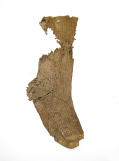
INDIAN WAR SOLDIER’S SOCK FROM FORT PEMBINA, ND
This comes from the excavations at Fort Pembina, ND, and appears to be the 1877 pattern army sock, which was medium gray in color, had white toes, and the weave of the heel running parallel with the… (1052-592). Learn More »
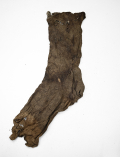
CIVIL WAR - INDIAN WAR SOCK FROM FORT PEMBINA, ND
This comes from the excavations at Fort Pembina, ND, a fort established in 1870 and in operation into the 1890s. The dig was conducted on private property with the owner’s permission and has yielded… (1052-581). Learn More »
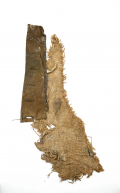
CIVIL WAR UNIFORM DRESS COAT LAPEL FROM FORT PEMBINA
These section of lapel and coat lining from a Civil War US army dress coat was discarded by a soldier at Fort Pembina, ND, where it was recently recovered from excavations in wet, anaerobic soil that… (1052-567). Learn More »
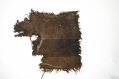
PIECE OF ARMY BLANKET FROM FORT PEMBINA, NORTH DAKOTA
This piece of a U.S. Army blanket comes from the excavations at Fort Pembina, ND, where wet, anaerobic soil conditions produced not only leather gear, but cloth in amazingly good condition. This shows… (1052-607). Learn More »
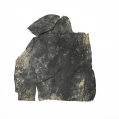
SCARCE CIVIL WAR PONCHO OR “GUM BLANKET” FRAGMENT
Civil War period ponchos and rubber blankets are extremely scarce despite being widely used and valued by troops in the field. They were so useful at home as to be used up by veterans and their… (1052-628). Learn More »
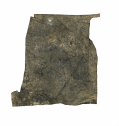
SCARCE CIVIL WAR INDIA RUBBER BLANKET OR PONCHO FRAGMENT
Excavated portion of a Civil War poncho or rubber blanket. This is a rough rectangle, preserving one edge with its binding intact and one of the brass grommets, with its diamond/square shaped… (1052-570). Learn More »
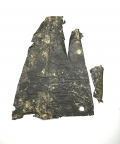
SCARCE CIVIL WAR INDIA RUBBER BLANKET OR PONCHO FRAGMENT
Excavated portion of a Civil War poncho or rubber blanket. This comes from the excavations at Fort Pembina in North Dakota, an army post garrisoned from 1870 to 1895. They were supplied at first with… (1052-568). Learn More »
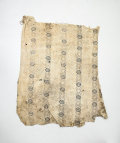
PIECE OF PRIVATE PURCHASE SOLDIER’S SHIRT FORT PEMBINA, NORTH DAKOTA
Army issue shirts had little going for them in comfort and less in style. This is a fragment of a privately purchased shirt from the excavations at Fort Pembina, ND, garrisoned from 1870 to 1895. This… (1052-606). Learn More »
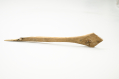
CARVED WOOD FROM FORT PEMBINA
At least one other similarly shaped piece of wood has come from the excavations at Fort Pembina, near the Red River in North Dakota. At first sight we guessed it was a wood arrow carved as for use as… (1052-637). Learn More »
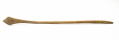
CARVED WOOD FROM FORT PEMBINA
Excavated at Fort Pembina, near the Red River in North Dakota, this tapered wood cylinder is most likely a buoy or float from a fishing net, having grooves cut at either end for tying in place. Army… (1052-636). Learn More »
Showing 161 to 170 out of 338
Most Popular
Historical Firearms Stolen From The National Civil War Museum In Harrisburg, Pa »
Theft From Gravesite Of Gen. John Reynolds »
Selection Of Unframed Prints By Don Troiani »
Fine Condition Brass Infantry Bugle Insignia »
Large English Bowie Knife With Sheath 1870’S – 1880’S »
Imported (Clauberg) Us Model 1860 Light Cavalry Officer's Saber »
featured item
EARLY WAR U.S. CAVALRY OFFICER’S SABER, 1840 STYLE, BY SMITH, CRANE AND COMPANY, NEW YORK, 1858 TO 1862
Smith, Crane and Company pieces are scarce. They were only in business from 1858 through 1862, retailing military goods in New York City. Their swords were imported, of German make and likely by Schnitzler and Kirschbaum, though not maker marked.… (870-263). Learn More »
site search