

site search
online catalog
Relics
Showing 156 to 160 out of 321
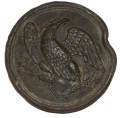
CIVIL WAR NCO SWORD CROSSBELT PLATE FROM FREDERICKSBURG
This pattern of belt plate was first adopted in 1826 with hooks on the reverse for the bayonet shoulder belt and made of stamped rolled brass for artillery and white metal for infantry. This was… (490-5799). Learn More »
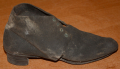
US INSPECTED ARMY SHOE FROM FORT PEMBINA, ND
This soldier’s shoe bears a partially visible stamp inside reading “INSPECTOR / NEW YORK,” indicating it is government issue and appears to be one of the experimental patterns of footwear tried… (1052-386A). Learn More »
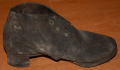
ARMY SHOE FROM FORT PEMBINA, ND
This soldier’s shoe is very similar to another found in the Fort Pembina excavations that has a partially visible US inspector’s mark and in construction differs only in having four sets of lace… (1052-386B). Learn More »
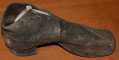
RARE MARKED CIVIL WAR ARMY ISSUE SHOE
Civil War army-issue shoes were among the most essential things issued to a soldier and about the rarest of Civil War items to survive despite being made literally in the millions. They were cheaply… (1052-596). Learn More »
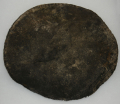
KEPI OR DRESS HAT STIFFENER FROM FORT PEMBINA
This comes from the excavations at Fort Pembina, ND, a small frontier army post in operation from 1870 to 1895, and seems to be the stiffener from inside the top of a kepi or dress hat. It is leather,… (1052-435). Learn More »
Showing 156 to 160 out of 321
Most Popular
Historical Firearms Stolen From The National Civil War Museum In Harrisburg, Pa »
Theft From Gravesite Of Gen. John Reynolds »
Selection Of Unframed Prints By Don Troiani »
Fine Condition Brass Infantry Bugle Insignia »
featured item
SLOUCH HAT AND SWORD OF J.S. CLARK: ABOLITIONIST; 4th MAINE INFANTRY VOLUNTEER; 3rd US INFANTRY; COMMANDING US COLORED INFANTRY; FREEDMAN'S BUREAU AND A FOUNDING MEMBER OF THE 9th CAVALRY "THE BUFFALO SOLDIERS"
This wonderfully historic grouping originated from the U.S. Grant GAR (Grand Army of the Republic) Post 4, later the Melrose Memorial Hall in Melrose, Massachusetts 590 Main St. Chartered on February 19, 1867, the post lasted until 1945. This group… (1284-32). Learn More »
site search