

site search
online catalog
Relics
Showing 161 to 165 out of 321
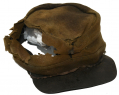
REGULAR ARMY CIVIL WAR ENLISTED KEPI WITH INDIAN WAR USE FROM FORT PEMBINA, NORTH DAKOTA
This Civil War enlisted man’s kepi comes from the excavations at Fort Pembina, ND, conducted on private property with the owner’s permission. The fort was established in 1870 by troops of the 20th… (1052-247). Learn More »
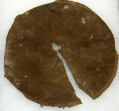
KEPI CROWN FROM AN INDIAN WARS US ARMY FRONTIER FORT
This crown from a soldier’s kepi comes from excavations at Fort Pembina, ND, and shows a small hole at center, from which extends a tear to one edge, with some edge wear and stains. The color has… (1052-432). Learn More »
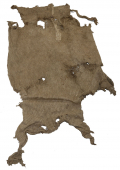
PIECE OF PRIVATE PURCHASE SOLDIER’S HIGH RIBBED KNIT SHIRT FORT PEMBINA, NORTH DAKOTA
Excavations at Fort Pembina in anaerobic soil conditions have yielded a number of expected and rare finds giving a glimpse of the material culture of a small US army frontier post during the Indian… (1052-1111). Learn More »
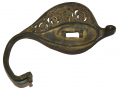
EXCAVATED HILT FOR A M1850 FOOT OFFICER SWORD
This is the cast and chased brass counterguard and knucklebow from a regulation US 1850 pattern foot officer’s sword, the standard sword carried in the Civil War by infantry lieutenants and… (490-6773). Learn More »
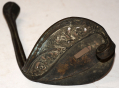
EXCAVATED HILT FOR A M1850 FOOT OFFICER SWORD
This is an excavated brass counterguard and knucklebow from a regulation US 1850 pattern foot officer’s sword, the standard sword carried in the Civil War by infantry lieutenants and captains, as… (490-6775). Learn More »
Showing 161 to 165 out of 321
Most Popular
Historical Firearms Stolen From The National Civil War Museum In Harrisburg, Pa »
Theft From Gravesite Of Gen. John Reynolds »
Selection Of Unframed Prints By Don Troiani »
Fine Condition Brass Infantry Bugle Insignia »
featured item
EXCELLENT LARGE, ORIGINAL FRAMED OIL PAINTING OF 20TH MAINE’S JOSHUA LAWRENCE CHAMBERLAIN BY MICHAEL GNATEK
This is an original oil on canvas portrait of Major General Joshua L. Chamberlain of the 20th Maine Infantry done by the late Michael Gnatek. Mr. Gnatek received his art training at Yale University and in the Marine Corps, where he was a combat… (10-1968). Learn More »
site search