

site search
online catalog
Relics
Showing 226 to 230 out of 321
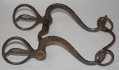
U.S. MODEL 1874 CAVALRY CURB BIT ONCE OWNED BY J. HOWARD WERT
This piece of original US horse equipment is an original U.S. cavalry curb bit of the 1874 pattern. In strong condition, this iron bridle bit has a hard pockmarked surface with moderated rust pitting.… (224-788). Learn More »
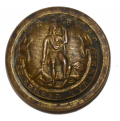
POST-WAR VIRGINIA STAFF OFFICER’S BUTTON BY HORSTMANN
This three-piece coat size Virginia button has substantial gilt left on the face and good detailing of the figures of the Virginia state seal and the motto on a ribbon on a lined background with an… (1000-2250). Learn More »
$115.00
Originally $145.00
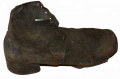
SCARCE INDIAN WAR US ARMY 1872 PATTERN SHOE: FORT PEMBINA, NORTH DAKOTA, ESTABLISHED 1870
New pattern shoes and boots were introduced in the U.S. Army in 1872 and in use until the 1880s. These shoes improved upon Civil War issue patterns mainly by using brass screws in the soles, rather… (1052-303). Learn More »
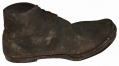
SCARCE INDIAN WAR US ARMY 1872 PATTERN SHOE WITH FIELD REPAIR
New pattern shoes and boots were introduced in the U.S. Army in 1872 and in use until the 1880s. These shoes improved upon Civil War issue patterns mainly by using brass screws in the soles, rather… (1052-576). Learn More »
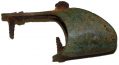
EXCAVATED MODEL 1855 PISTOL CARBINE PART
This unusual weapon consisted of a large single shot pistol that had a detachable shoulder stock which theoretically transformed it into a carbine. Here are two excavated brass parts from the pistol… (1000-1147). Learn More »
$260.00
Originally $325.00
Showing 226 to 230 out of 321
Most Popular
Historical Firearms Stolen From The National Civil War Museum In Harrisburg, Pa »
Theft From Gravesite Of Gen. John Reynolds »
Selection Of Unframed Prints By Don Troiani »
Fine Condition Brass Infantry Bugle Insignia »
featured item
VERY FINE, VERY RARE .36 CALIBER, 6-CAVITY GANG MOLD FOR COLT M1851 NAVY REVOLVER
Measuring 13” long, this iron bullet mold casts six .36 caliber elongated pistol bullets. Turned wood handles and brass ferrules are fitted over the arms of the mold halves. The sprue cutter is attached to the top at the hinge pin and swings from… (1304-117). Learn More »
site search