


site search
online catalog
GALLAGHER PERCUSSION CARBINE #15320
Hover to zoom


$1,495.00 ON HOLD
Quantity Available: 1
Item Code: 1311-08
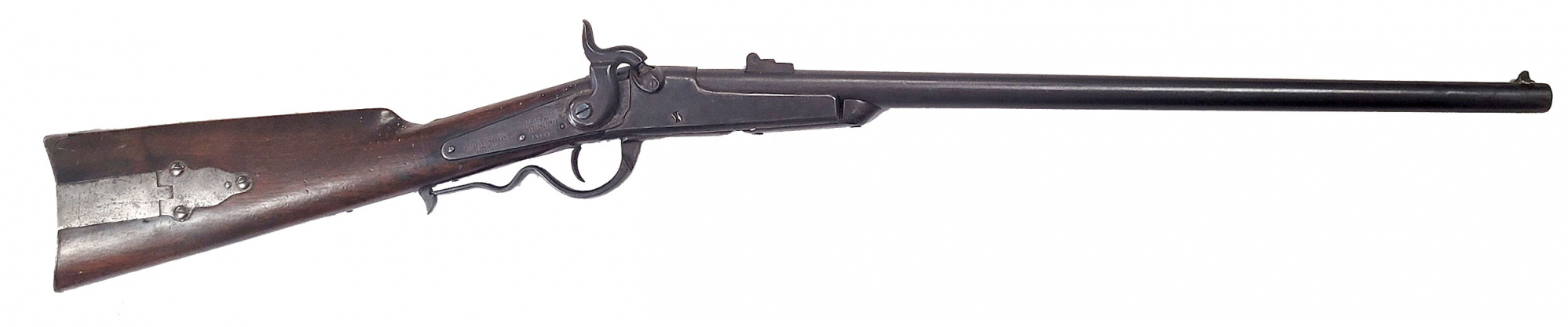
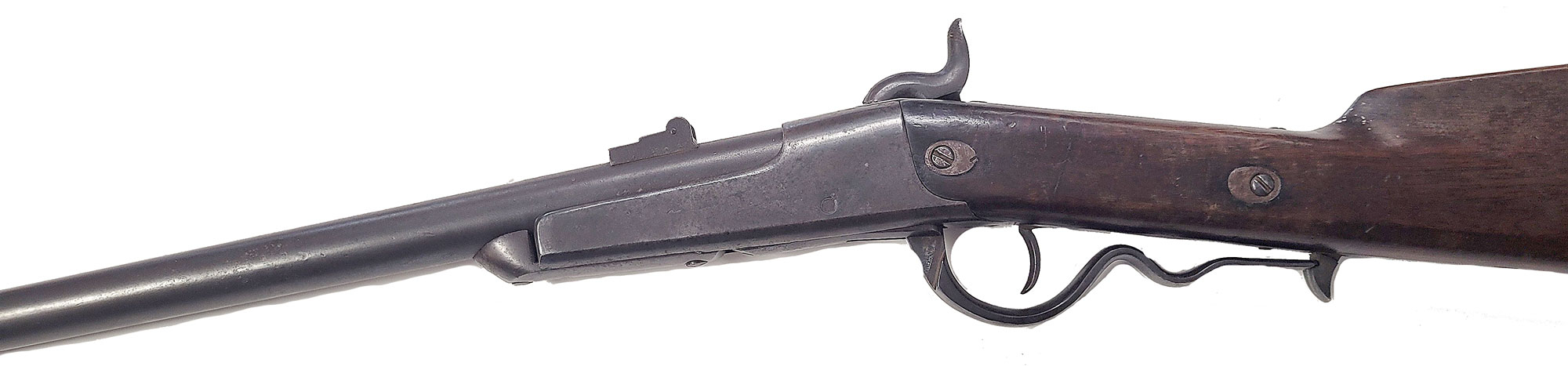
Invented by a resident of Savannah, GA, and patented July 17, 1860, these .50 caliber, single-shot breech loading carbines were manufactured by a Philadelphia firm, who sold 17,728 of them, in their percussion configuration, like this one, to the US government from August 31, 1861, through Dec. 10, 1864, and then another 5,000 chambered for Spencer rimfire cartridges from May 4 through June 3, 1865. This is the standard production pattern and serial #15320, giving it a probable late 1863 date of manufacture since the government had received slightly more than 15,000 by January 1864 and serial number ranges were likely broader from commercial or rejected arms not included in McCaulay’s numbers for US purchases.
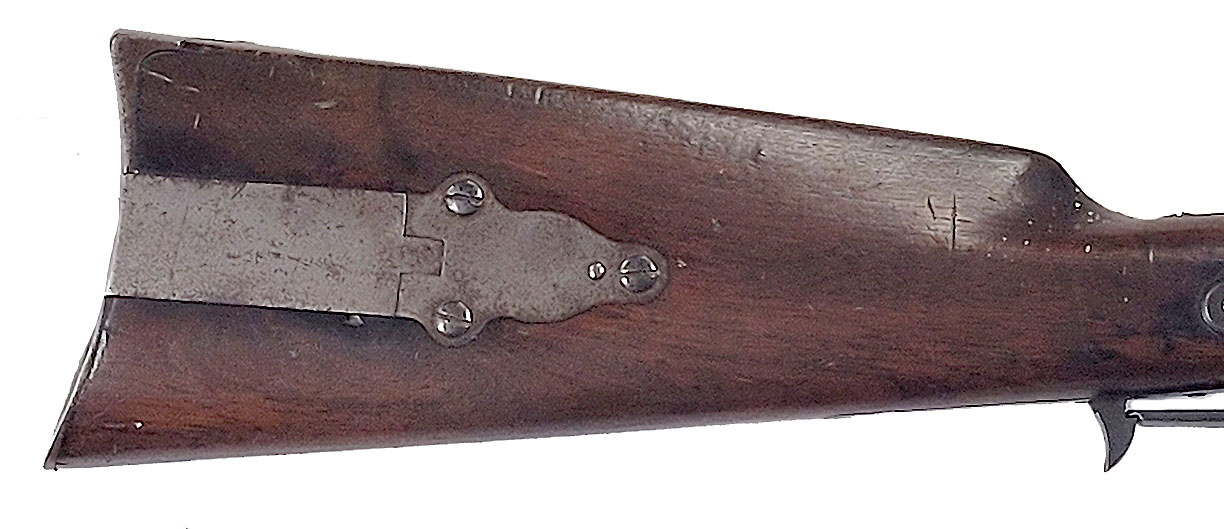
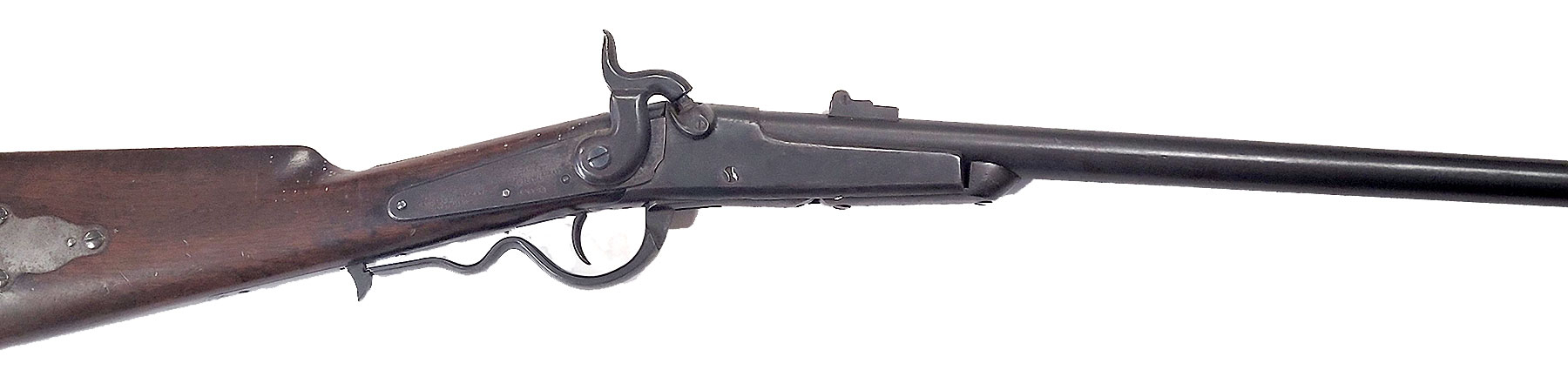
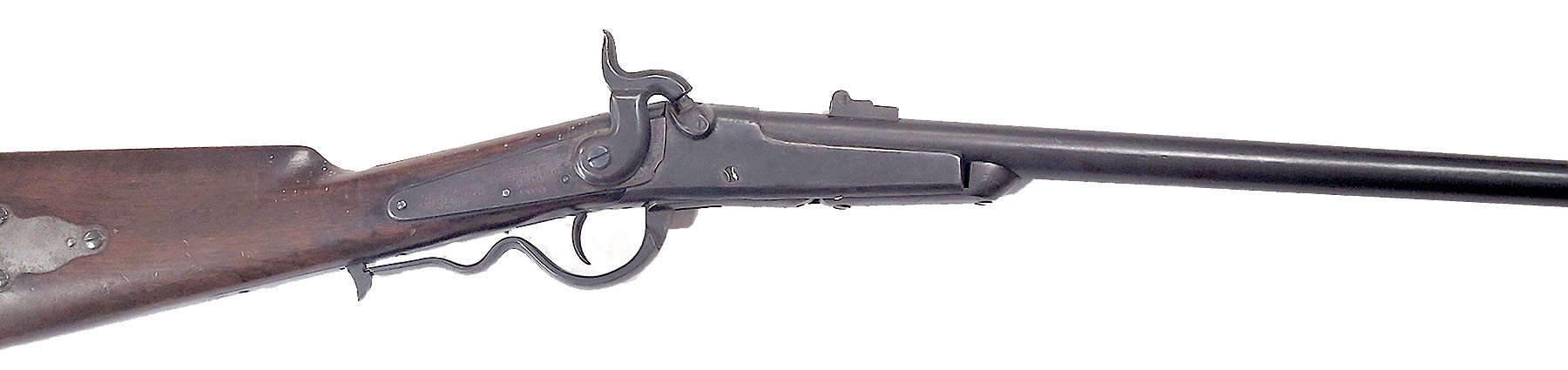
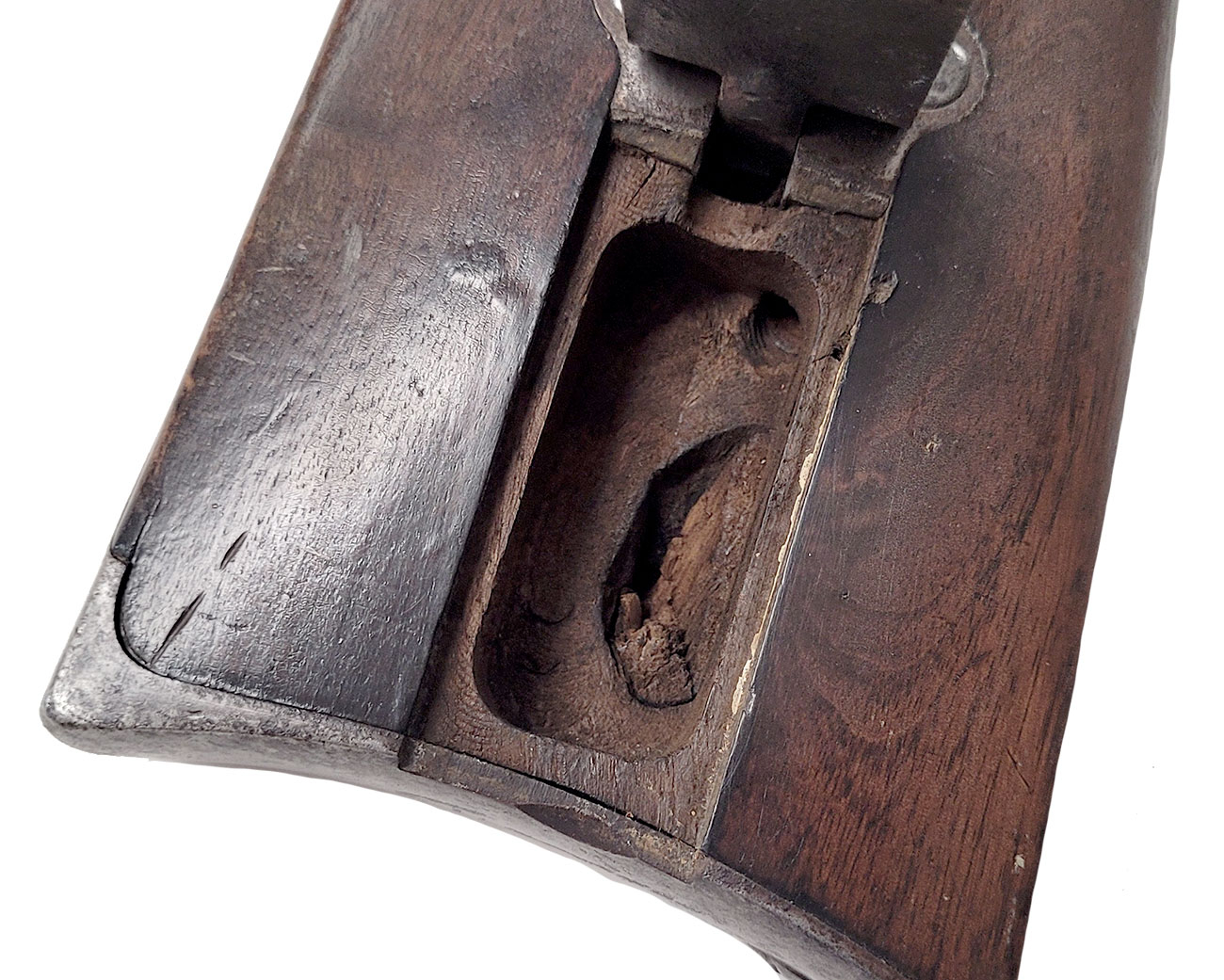
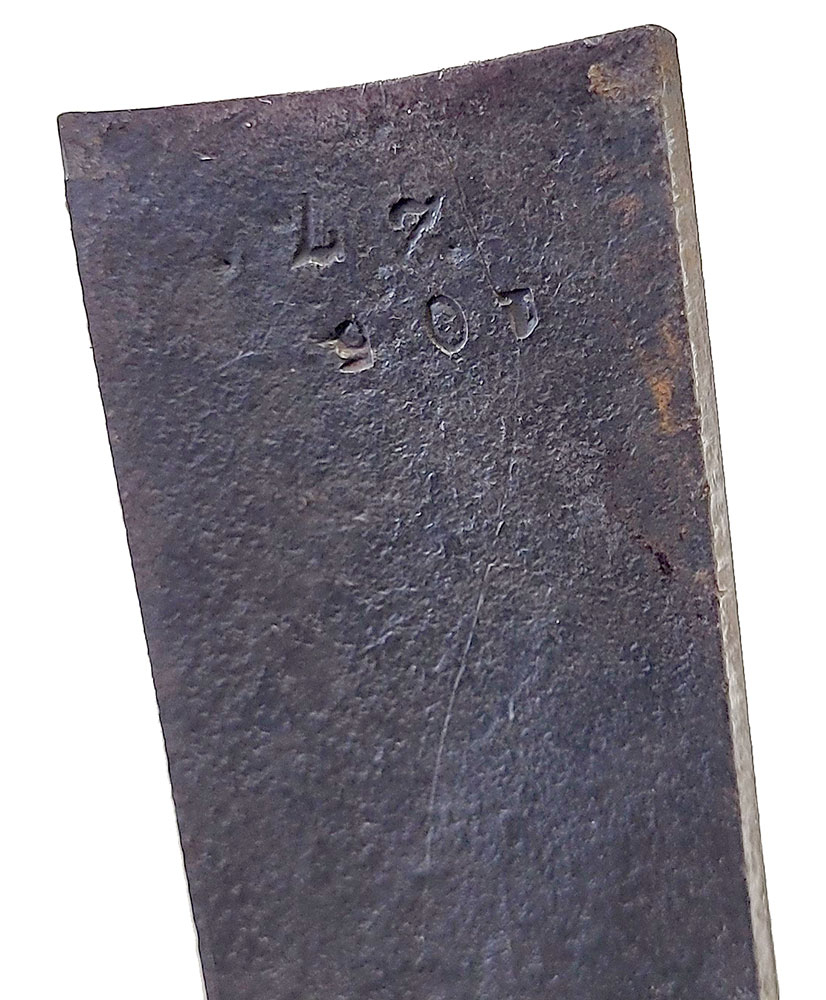
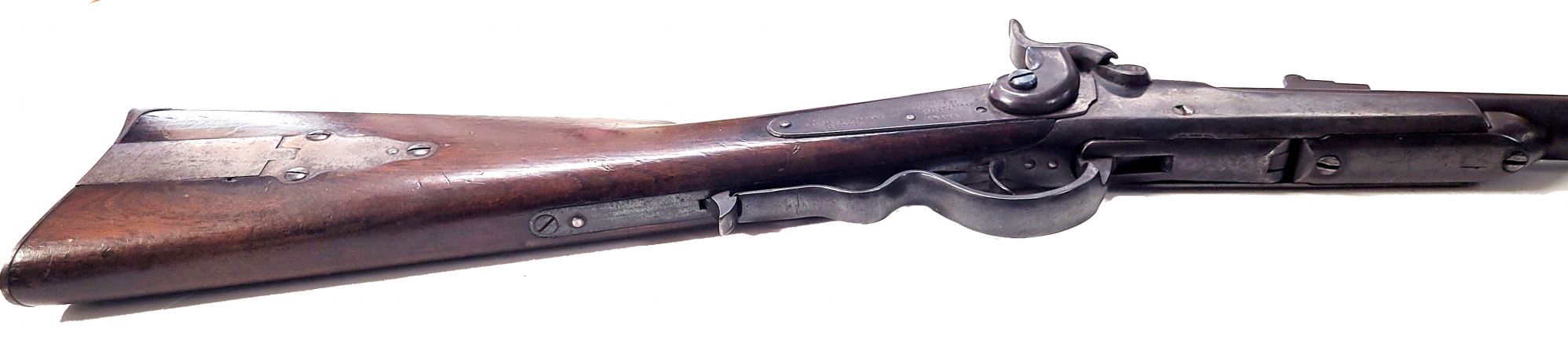
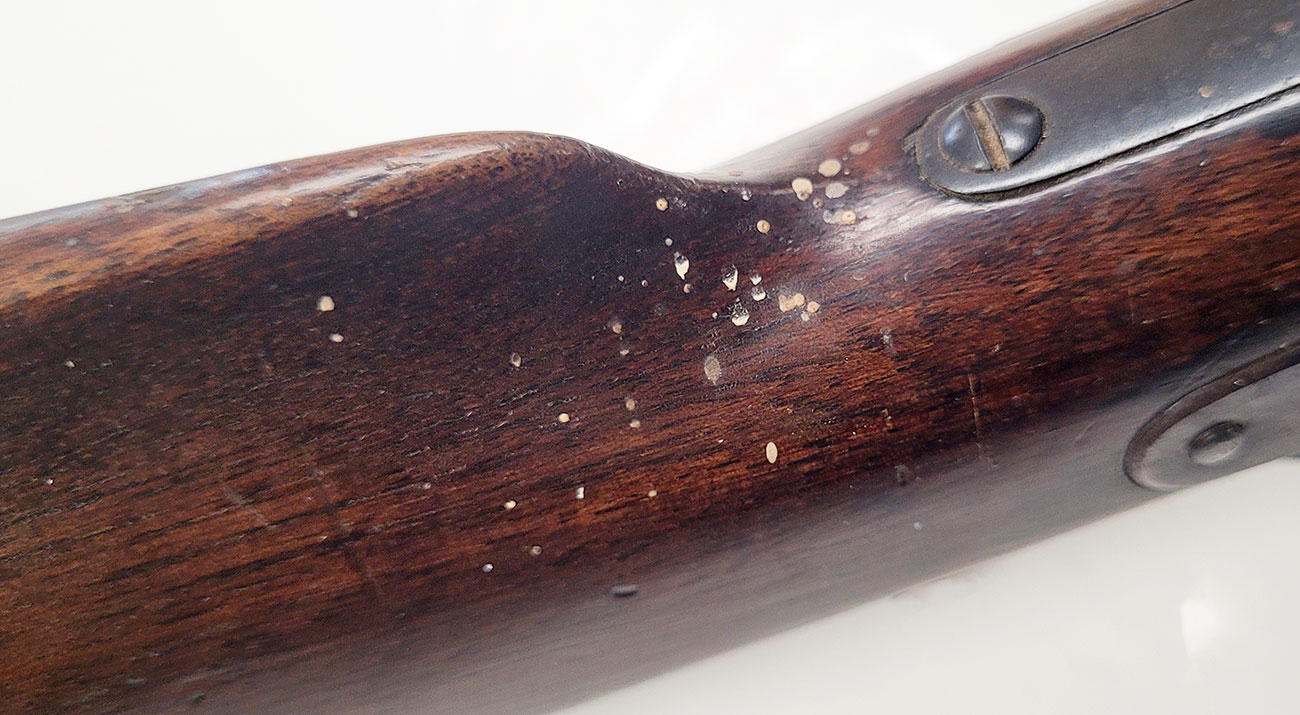
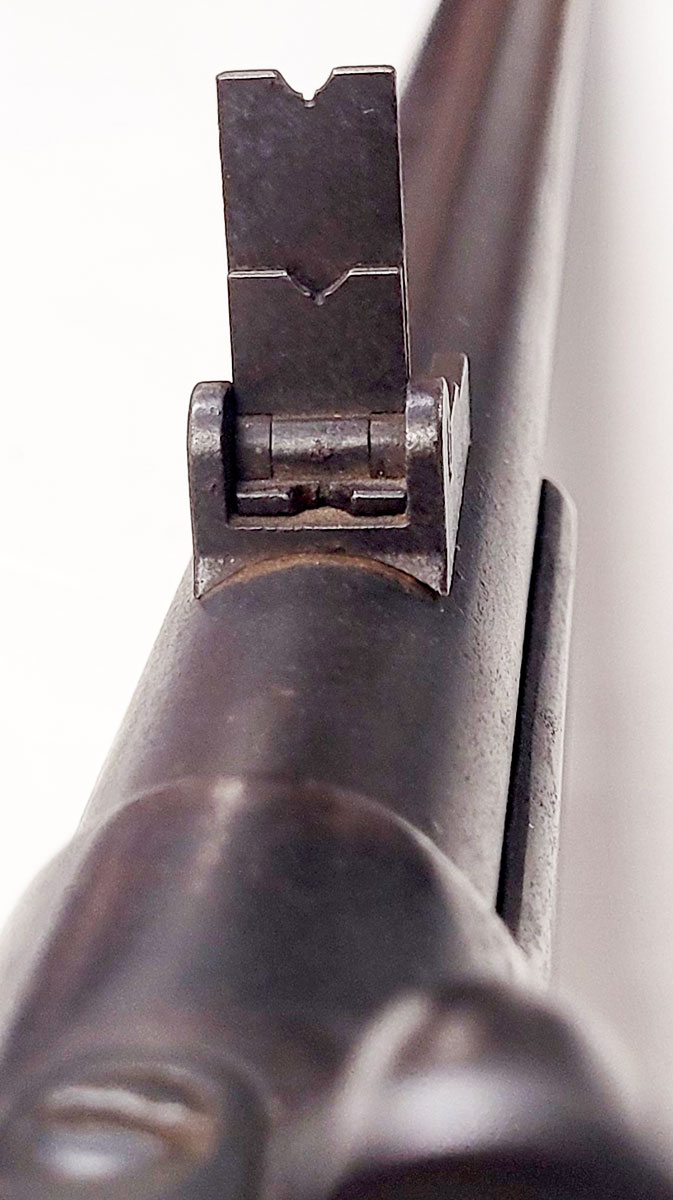
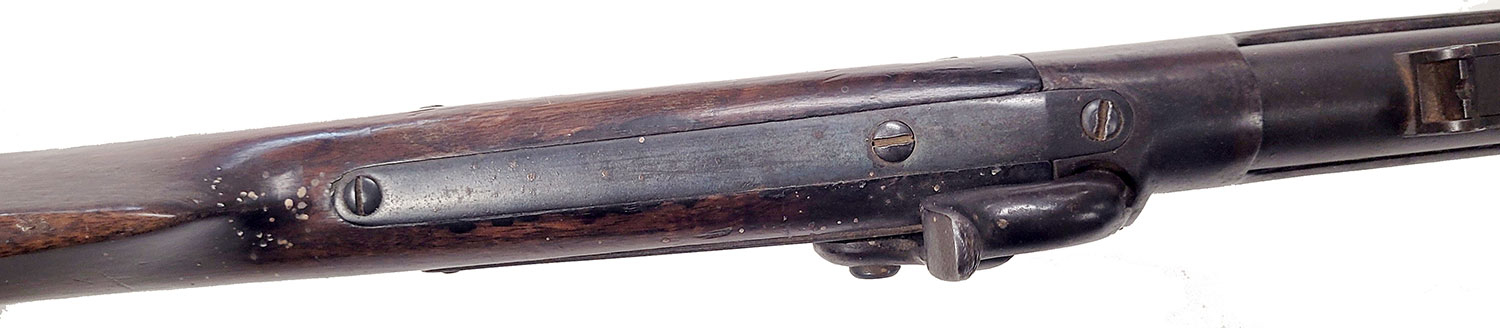
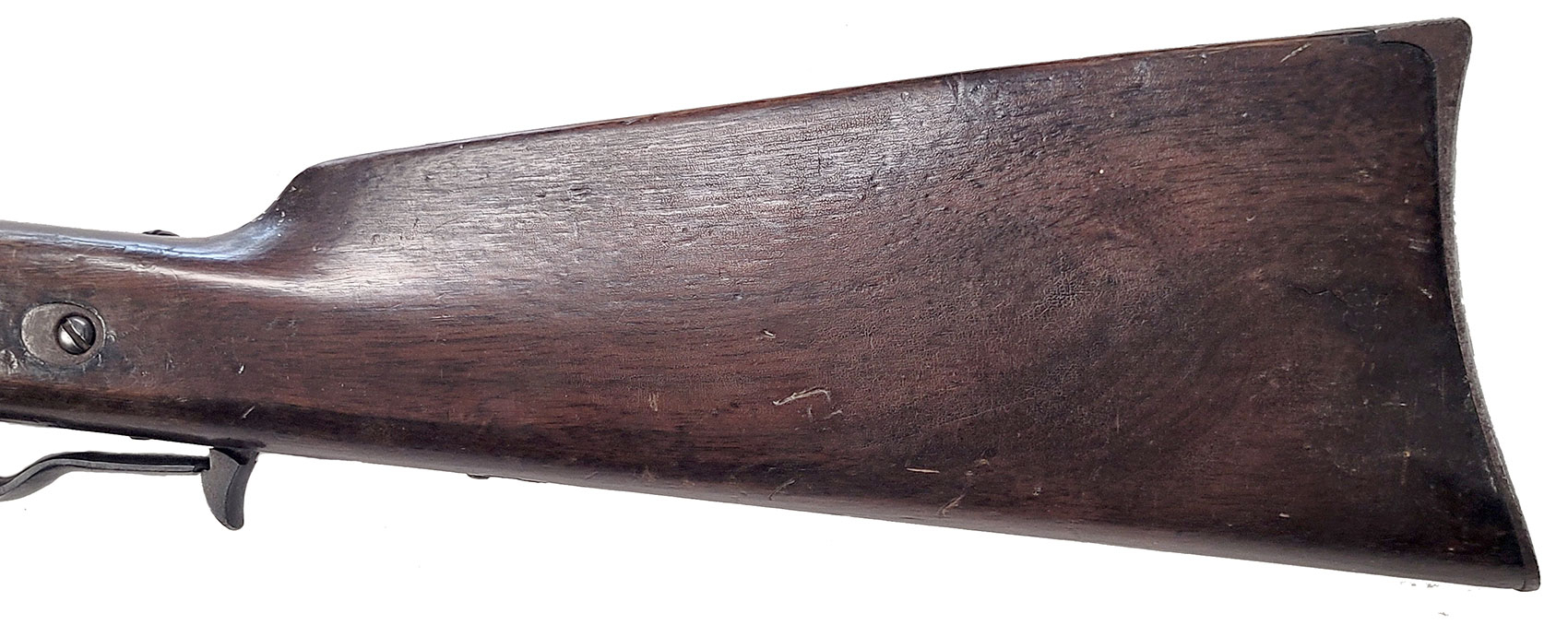
This is a very good example with a lot of barrel blue shading slightly toward plum and some faded case on the lock and frame. Both sights are in place. The rear sight in complete. The frame and lockplate show some faint mottled case colors. The hammer screw shows vibrant blue. The triggerguard-lever shows some good thin blue. The upper and lower tangs show some as well, but softened by rubbing and mixed with some brown and age spots. The patchbox shows as a silver gray mixed with a dusting of brown and pinprick pitting, as does the buttplate. The fit of wood to metal is good and the wood had a warm brown tone, with just some scattered small handling dings and light scratches, with a few tiny paint flecks on the comb, and one small spot of crazing to the finish on the left butt flat near the buttplate. The bore is slightly dirty. The mechanics are good.
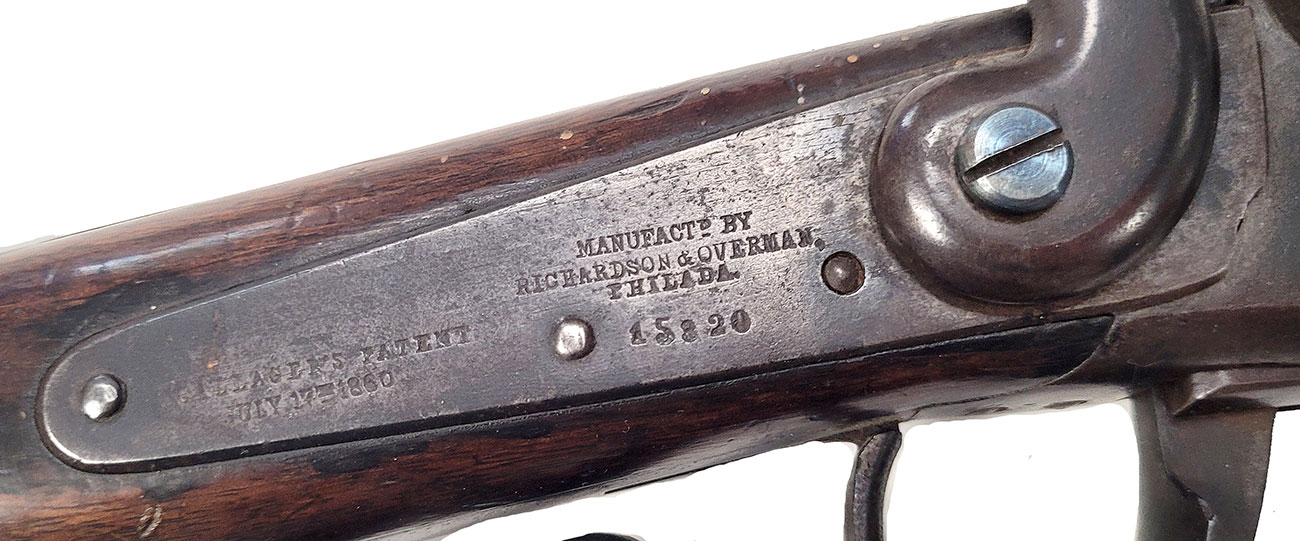
The markings in the metal are crisp: "GALLAGER'S PATENT / JULY 17th 1860" on the rear of the lock plate and "MANUFACTD BY / RICHARDSON & OVERMAN, / PHILADA.” forward, with the serial number “15320” underneath, just behind the hammer. We see no inspector’s cartouche on the left wrist and there is no sidebar for a sling ring, though the two bases for one are there. The cartouche is often subject to wear by the sling ring, and side bar may have been removed for postwar civilian use, but the carbine may well have been for the commercial, private purchase market.
Several different cartridges were used with the Gallagher- paper, paper-wrapped brass foil or tinned iron, brass cases with flame hole, etc. The Gallagher’s action, lowering the triggerguard-lever to push the barrel forward and tip up the breech promised easier loading and withdrawal of a spent cartridge case. The lack of an extractor, however, caused major complaints in the field, with troops reportedly having to resort to a knife or ramrod at times to clear the chamber for another round. Nevertheless, these were widely used. McAulay (Carbines of the US Cavalry) lists slightly over 50 units entirely or partly armed with them at some point during the war, and they are a key piece in any cavalry or carbine collection. [sr][ph:L]
DISCLAIMER: All firearms are sold as collector's items only - we do not accept responsibility as to the shooting safety or reliability of any antique firearm. All firearms are described as accurately as possible, given the restraints of a catalog listing length. We want satisfied customers & often "under" describe the weapons. Any city or state regulations regarding owning antique firearms are the responsibility of the purchaser. All firearms are "mechanically perfect" unless noted, but again, are NOT warranted as safe to fire.
~~~~~~~~~~~~~~~~~~~~~~~~~~~~~~~~~~~
THIS ITEM, AS WITH ALL OTHER ITEMS AVAILABLE ON OUR WEB SITE,
MAY BE PURCHASED THROUGH OUR LAYAWAY PROGRAM.
CLICK HERE FOR OUR POLICIES AND TERMS.
THANK YOU!
Inquire About GALLAGHER PERCUSSION CARBINE #15320
Most Popular
Historical Firearms Stolen From The National Civil War Museum In Harrisburg, Pa »
Theft From Gravesite Of Gen. John Reynolds »
Selection Of Unframed Prints By Don Troiani »
Fine Condition Brass Infantry Bugle Insignia »
Rare Identified 65Th Ny Sergeant’s Jacket, With Manscript Material: 1St U.s. Chasseurs »
featured item
VERY RARE 1834 ENGINEER AND MEDICAL STAFF SWORD BY HENRY BOKER, BELONGING TO BREVET BRIGADIER GENERAL JOHN HENDRICKSON, WHO LOST A LEG AT FREDERICKSBURG, 83rd NEW YORK VOLS (9th NYSM) AND 13th V.R.C.
New patterns of swords for the U.S. army were developed from 1832 to 1834. This elegant smallsword pattern (variously called by collectors the 1832 or 1834 pattern) was designated for officers of Engineers and Medical Staff (and Pay Department as… (870-325). Learn More »
site search