


site search
online catalog
WAR OF 1812 MASSACHUSETTS PURCHASE WATERS MUSKET

Hover to zoom





$2,795.00 ON HOLD
Quantity Available: 1
Item Code: 2025-3667
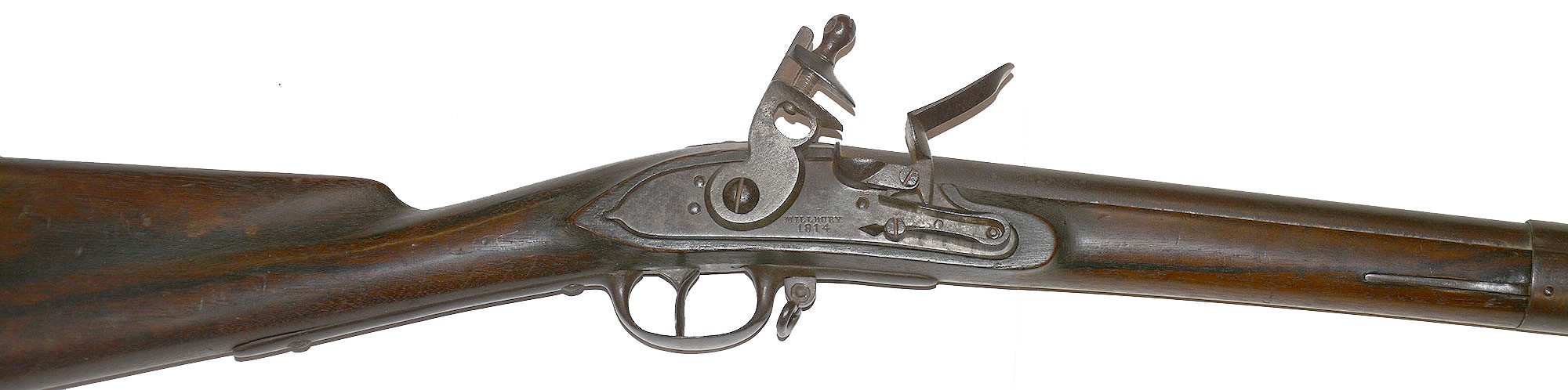
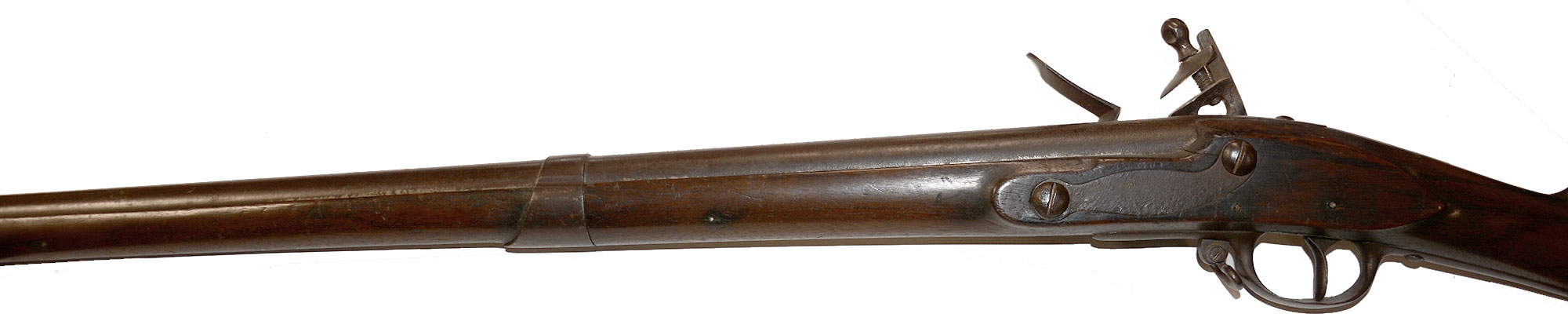
Massachusetts required its militia to supply their own muskets, but in the run-up to the War of 1812 received muskets from the US and purchased some on its own. This flintlock musket rates near Fine for condition, is crisply marked on the lockplate “MILLBURY / 1814,” and is likely one of 528 muskets purchased in 1814 by the state from Joseph Farnsworth, who had taken over E. Waters & Co. that year. According to Moller (V.2, p. 222-3, #144K1U,) the state purchased 350 on July 14 (the day before Elijah Waters died,) and another 178 were received Dec. 29. (His photo caption, stating the total was 706, apparently counts that December delivery twice.) These lock markings differ from those on the Waters muskets purchased by the state in 1813 both in the date and location, the date being 1814 and and the location “MILLBURY,” as here, rather than “Sutton,” reflecting an 1814 change in the town’s name.
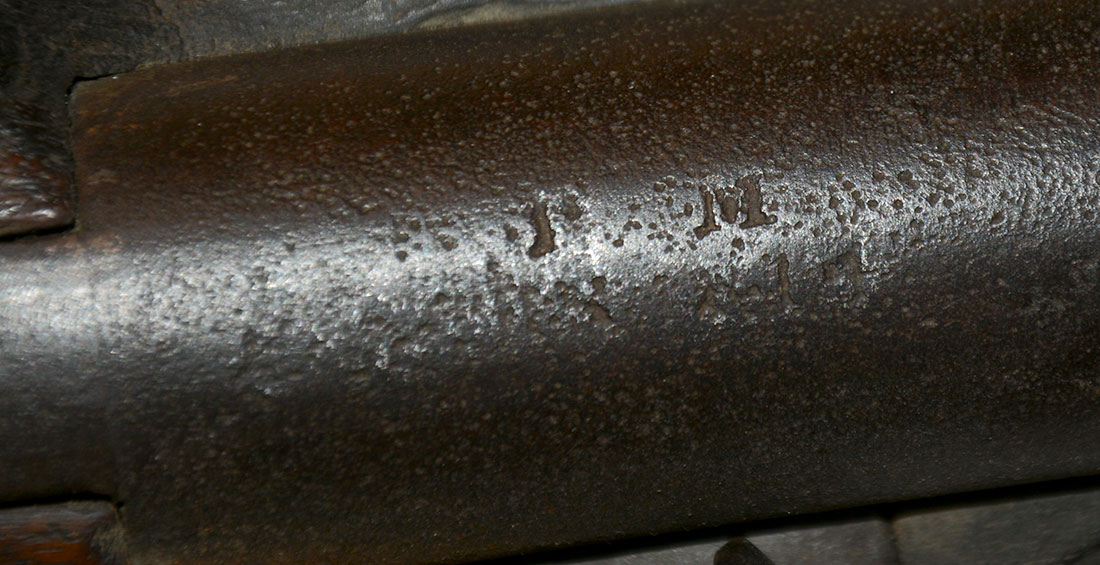
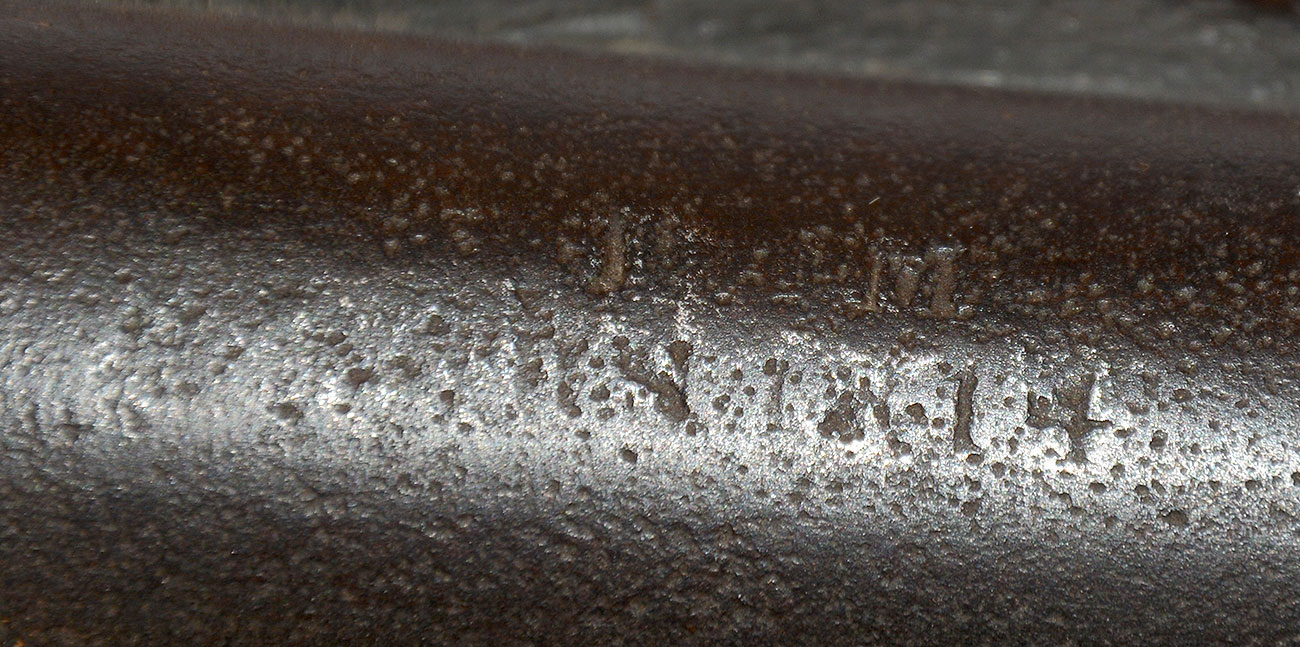
Since Massachusetts had long mandated that militiamen supply their own muskets, Moller warns it is difficult to distinguish between state-procured muskets and privately owned muskets made by Massachusetts makers who supplied both, as did Waters. The state did not place its ownership mark on either of those categories of musket as it did on the those procured from the U.S. government, instead relying on a state proof mark on the barrel: a “P” over the prover’s initials and an “M” over the year, as this musket shows. It seems that the best that can be said is that the date for a state-procured musket would be between 1813 and 1815. In this case the markings a partially rubbed, but the “P” is partly legible over two initials that are clearly “RS” or “BS,” both of which are recorded by Moller on Waters muskets in Massachusetts militia hands, and forward of this is a clear, if rubbed, “M” over “1814.”(See Moller, V.2, p.219 and 233 in particular.) As is correct for these Massachusetts state procured muskets, there are no inspection marks on the side-flat.
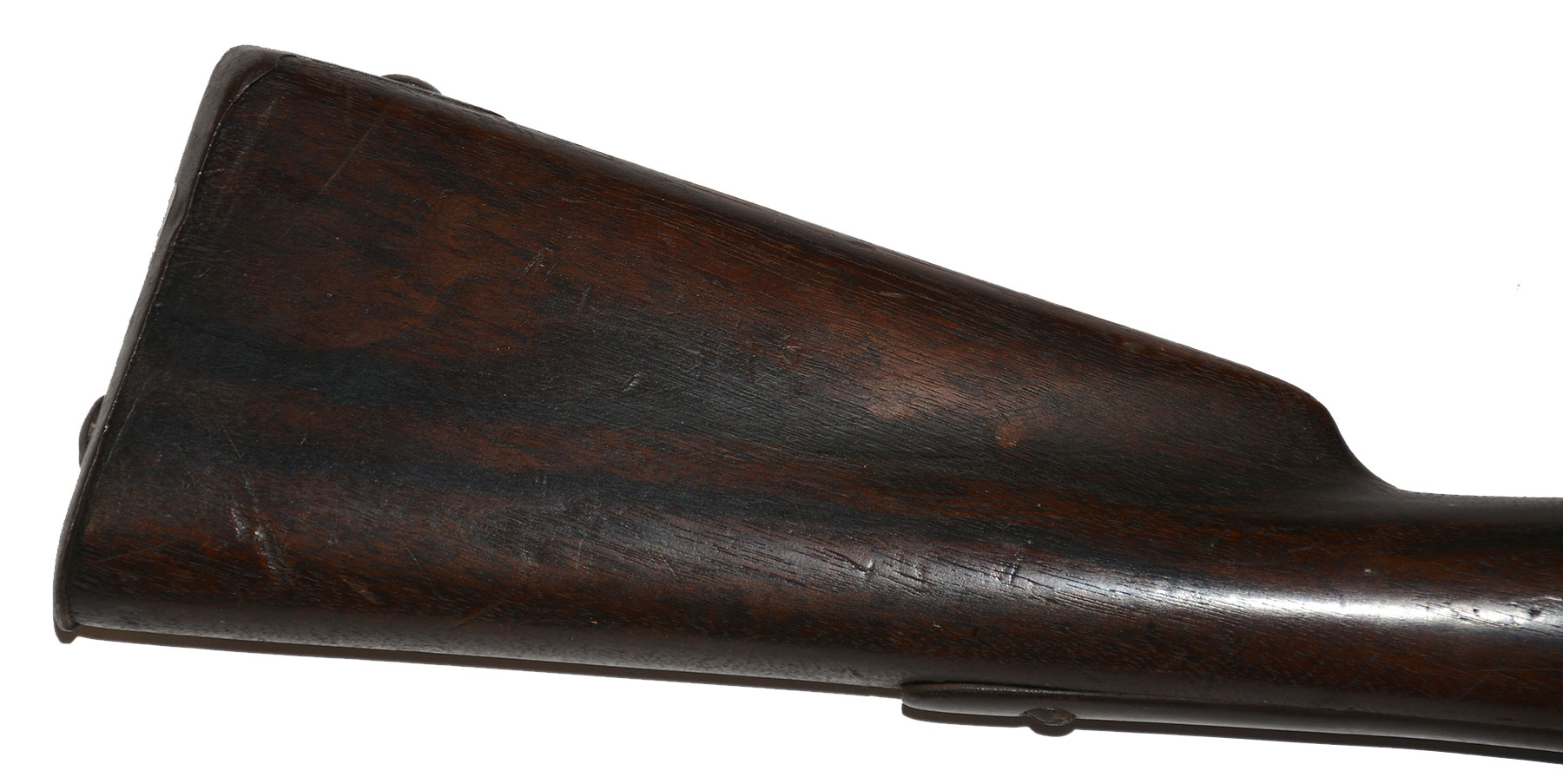
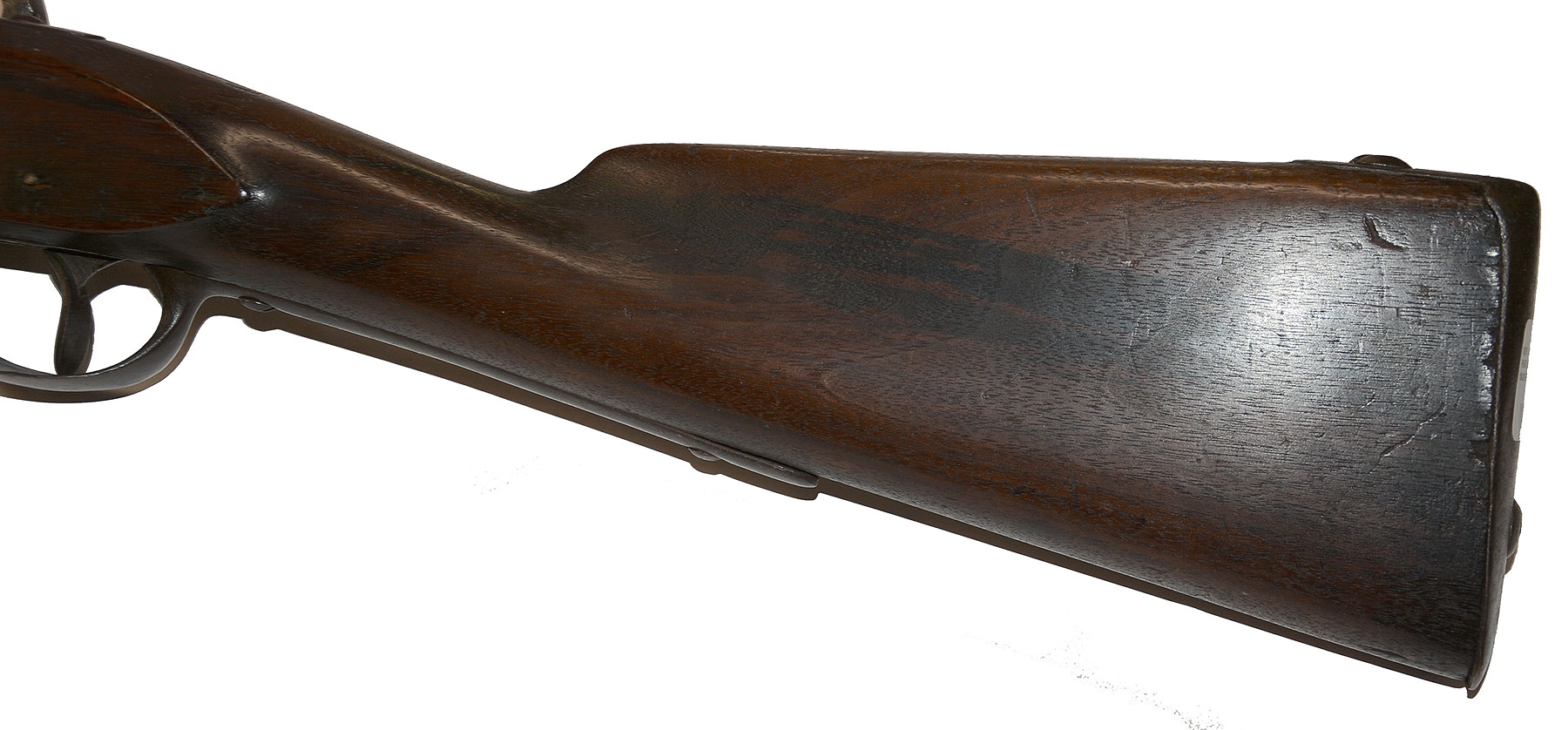
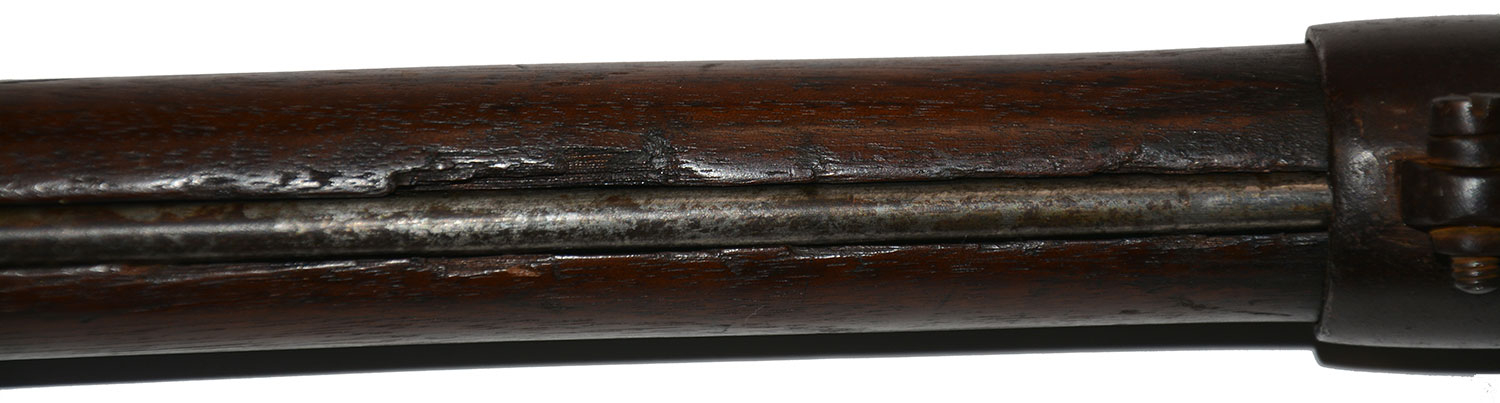
The condition of this musket is exceptionally nice, with smooth metal overall, the 42-1/2” barrel full length, with bayonet stud in place, and the rod, all bands, springs and swivels in place. The barrel shows as a pleasing, even plum. We see just some light corrosion around the touch hole and in the pan, but the musket appears to be in original flint. The wood to metal fit is very good, with just a slight gap along the upper right of the breechplug tang. The wood has minimal handling dings, and good edges along the barrel, the lock apron and side flat. We see minimal chipping in the ramrod channel- very light in the upper portion- and a very narrow hairline at the rear lock screw to the breech, likely from overtightening at some point. The wood overall has a pleasing finish and warm brown color, with some black mixing in on the wrist and extending in two unobtrusive streaks on either side of the buttstock. This is a very good looking musket. Please see our photos. [sr][ph:L]
DISCLAIMER: All firearms are sold as collector's items only - we do not accept responsibility as to the shooting safety or reliability of any antique firearm. All firearms are described as accurately as possible, given the restraints of a catalog listing length. We want satisfied customers & often "under" describe the weapons. Any city or state regulations regarding owning antique firearms are the responsibility of the purchaser. All firearms are "mechanically perfect" unless noted, but again, are NOT warranted as safe to fire!
~~~~~~~~~~~~~~~~~~~~~~~~~~~~~~~~~~~
THIS ITEM, AS WITH ALL OTHER ITEMS AVAILABLE ON OUR WEB SITE,
MAY BE PURCHASED THROUGH OUR LAYAWAY PROGRAM.
CLICK HERE FOR OUR POLICIES AND TERMS.
THANK YOU!
Inquire About WAR OF 1812 MASSACHUSETTS PURCHASE WATERS MUSKET
Most Popular
Historical Firearms Stolen From The National Civil War Museum In Harrisburg, Pa »
Theft From Gravesite Of Gen. John Reynolds »
Selection Of Unframed Prints By Don Troiani »
Fine Condition Brass Infantry Bugle Insignia »
featured item
PROMOTED CAPTAIN ON THE SPOT ON THE BATTLEFIELD OF BENTONVILLE - THE EFFECTS OF DWIGHT DIVINE
This grouping includes a Kepi, a greatcoat, a sash and a pair of "full dress" epaulettes all belonging to 2nd Lieutenant to Major Dwight Divine, 143rd New York Infantry. For the history of the 143rd New York infantry please follow this link… (1268-309). Learn More »
site search