


site search
online catalog
SCARCE 1809 DATED R & C LEONARD US CONTRACT 1808 MUSKET WITH MASSACHUSETTS OWNERSHIP MARKINGS

Hover to zoom


$2,250.00 SOLD
Quantity Available: None
Item Code: 2025-3665
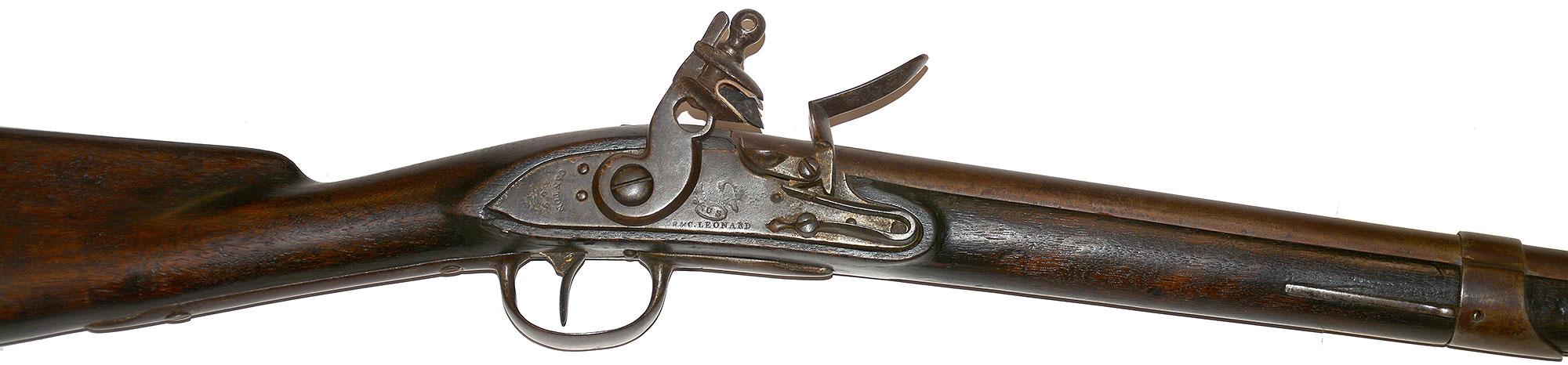
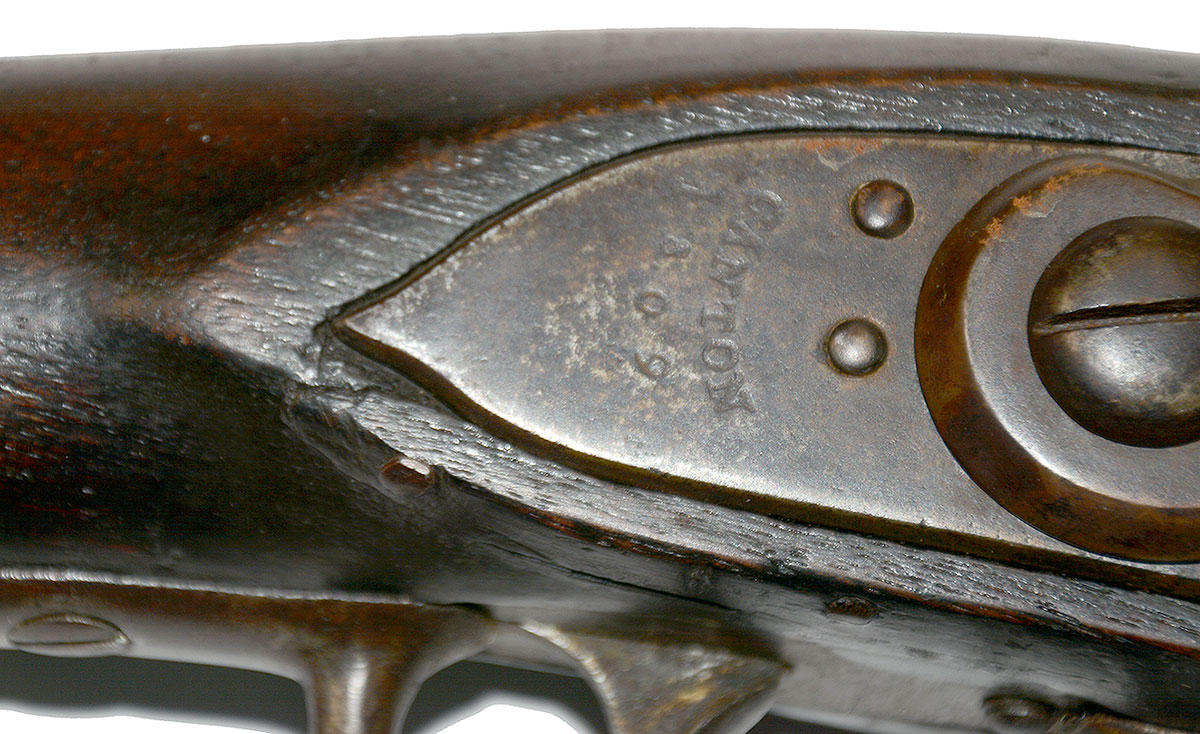
Brothers Rudolph and Charles Leonard of Canton, Mass, signed a US contract on Oct. 29, 1808, for 5,000 muskets to be delivered in five years. They used as a pattern a musket produced by fellow Canton gunsmiths French, Blake and Kinsley, who in turn had used a M1795 musket produced at Harpers Ferry about 1803 as a pattern, though the locks produced by both these firms show a straight tang on the cock that suggests Springfield influence, if not a local development. Moller lists the Leonards’ actual deliveries as: 200 in 1810; 1,125 in1811; 800 in 1812; 1,567 in 1813 ; and 175 in 1814, for a total of 3.867. This is clearly dated 1809 on the lockplate, indicating the musket was likely among the first 200 muskets delivered to the US government in 1810.
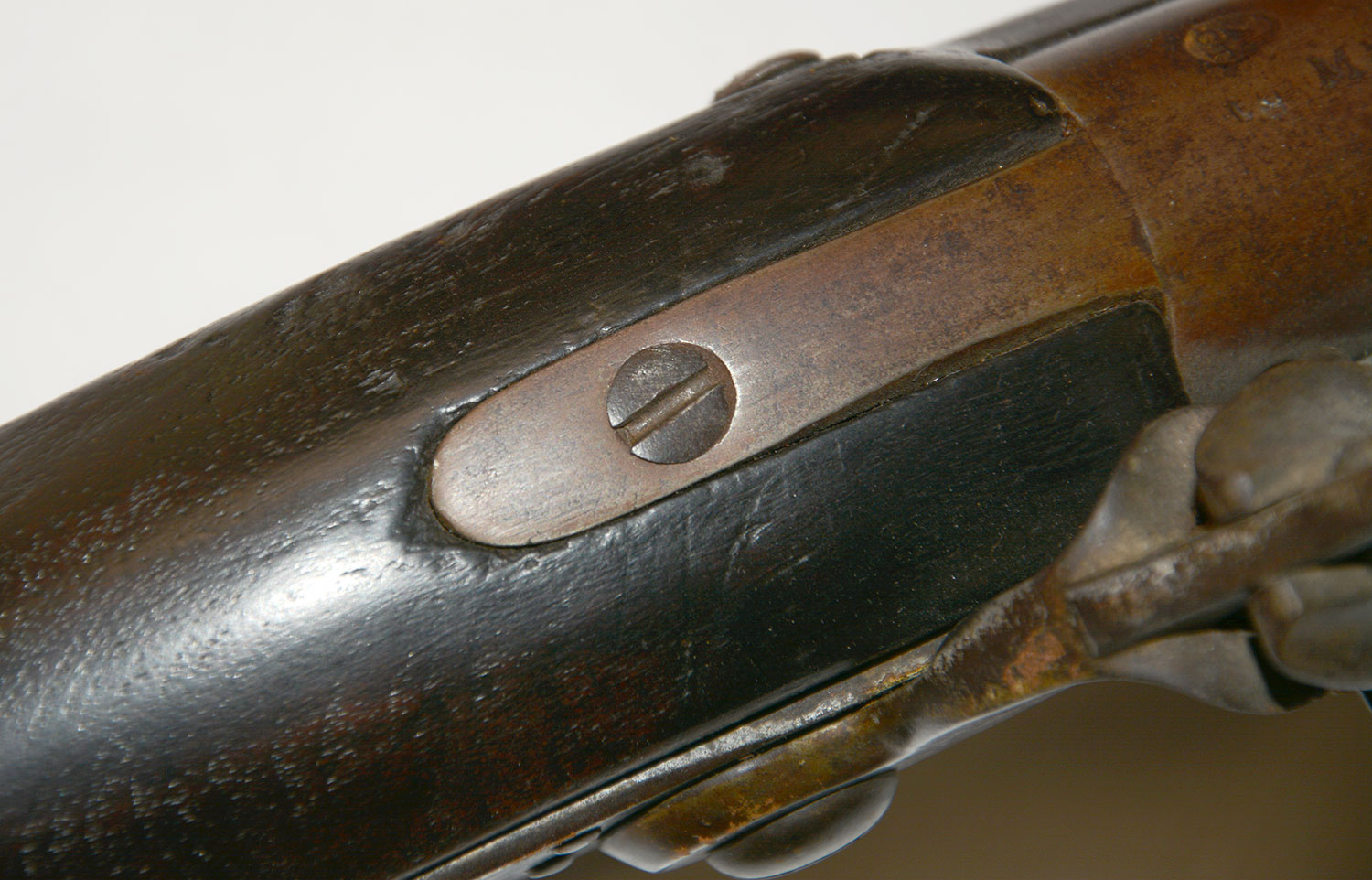
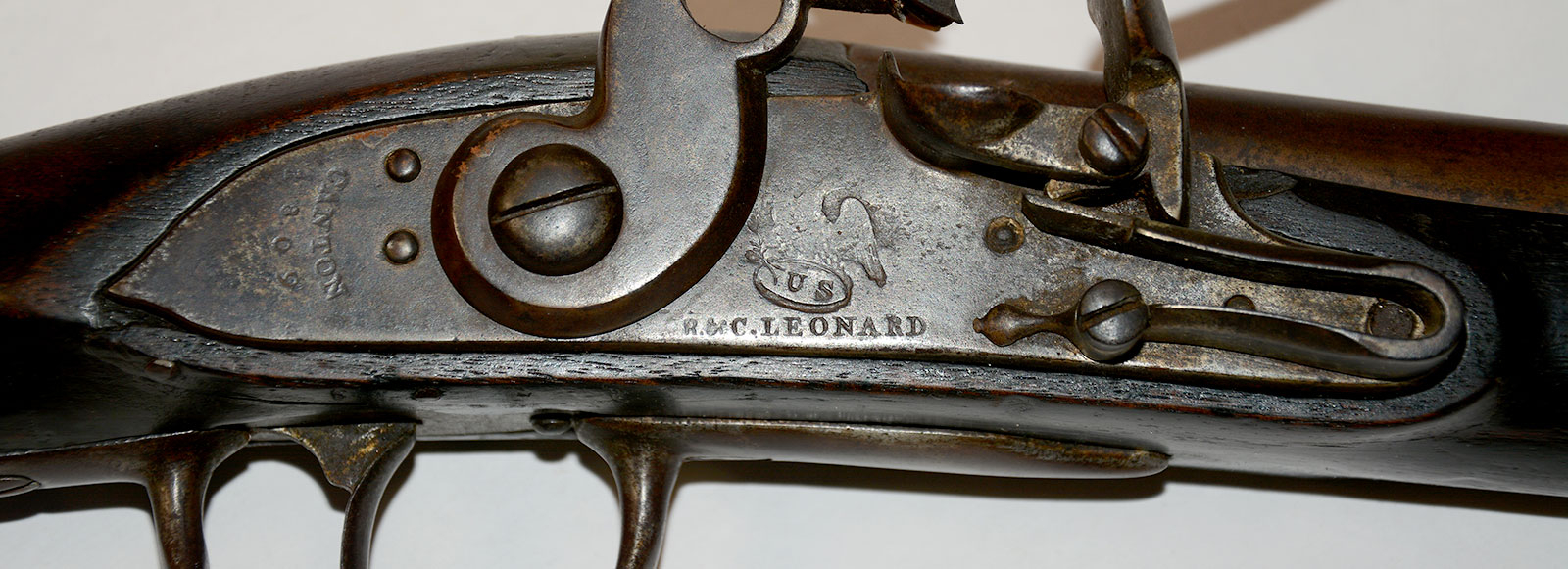
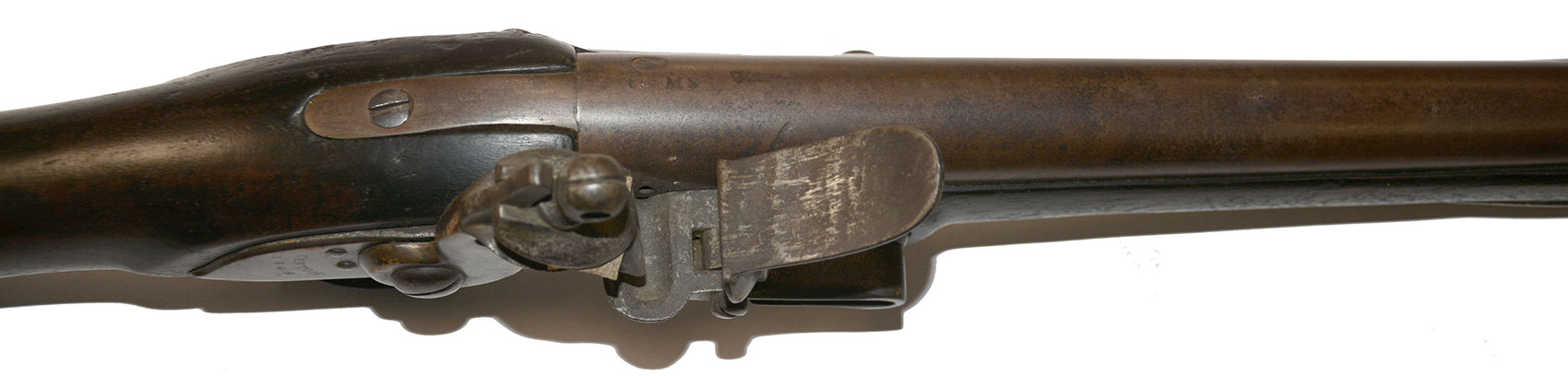
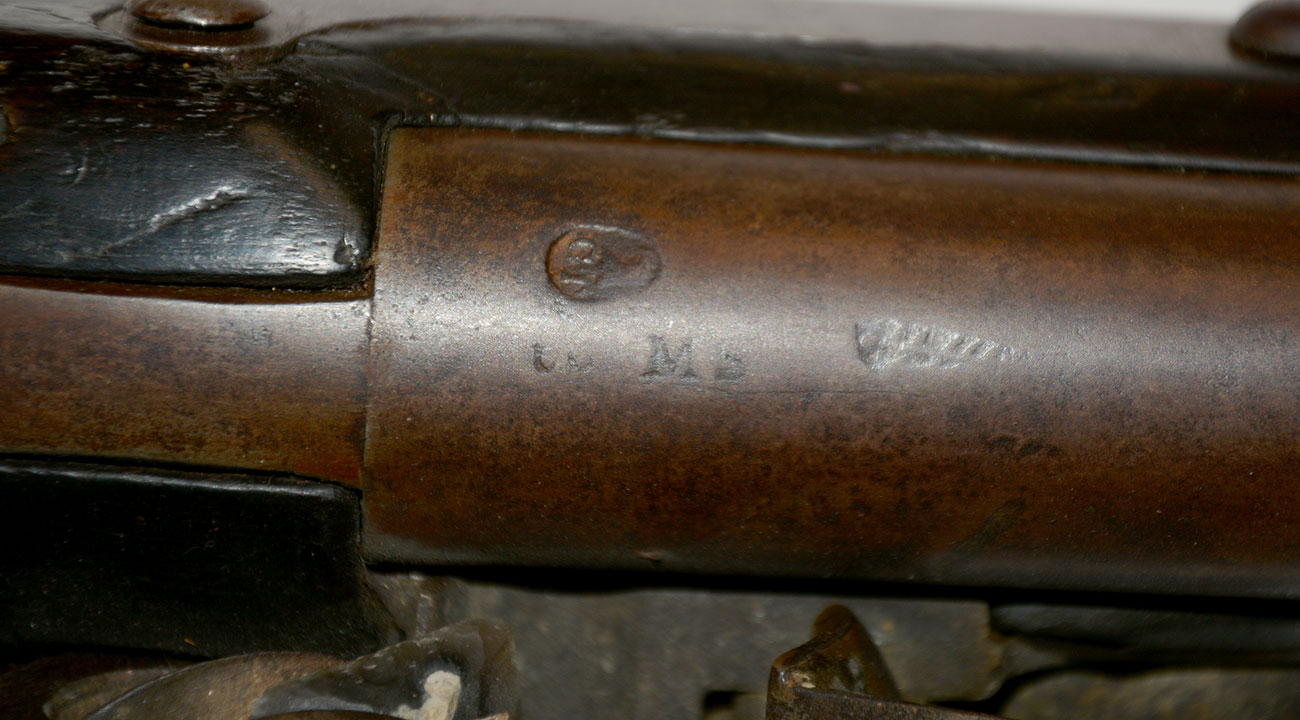
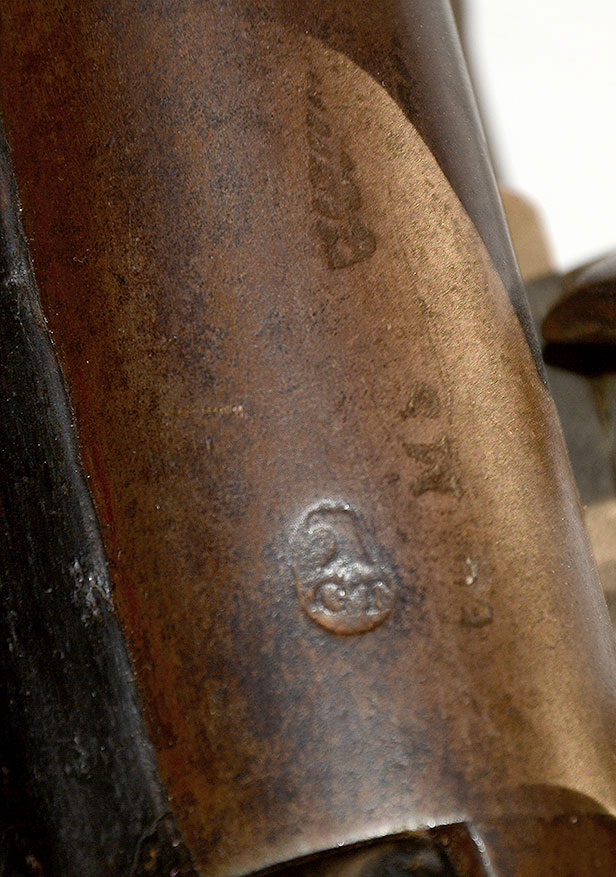
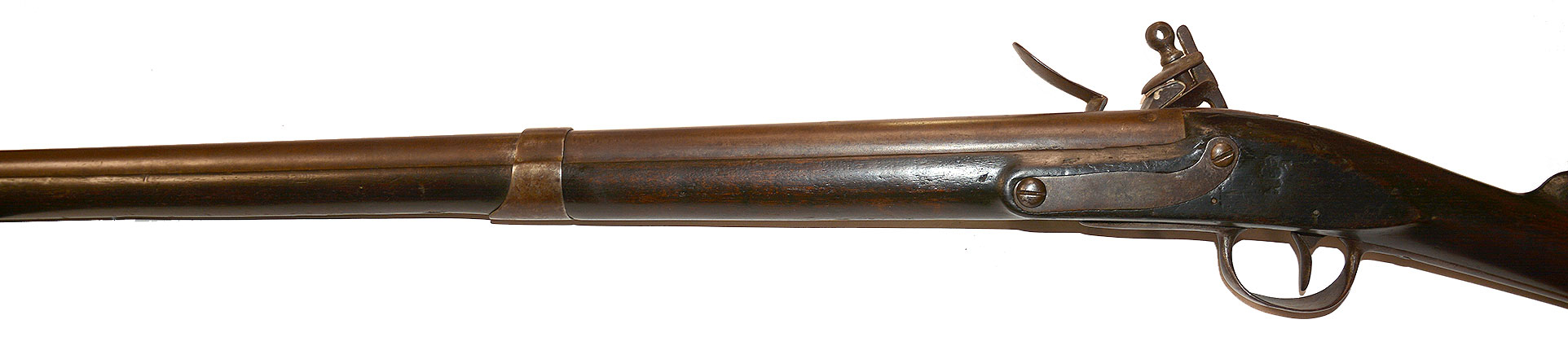
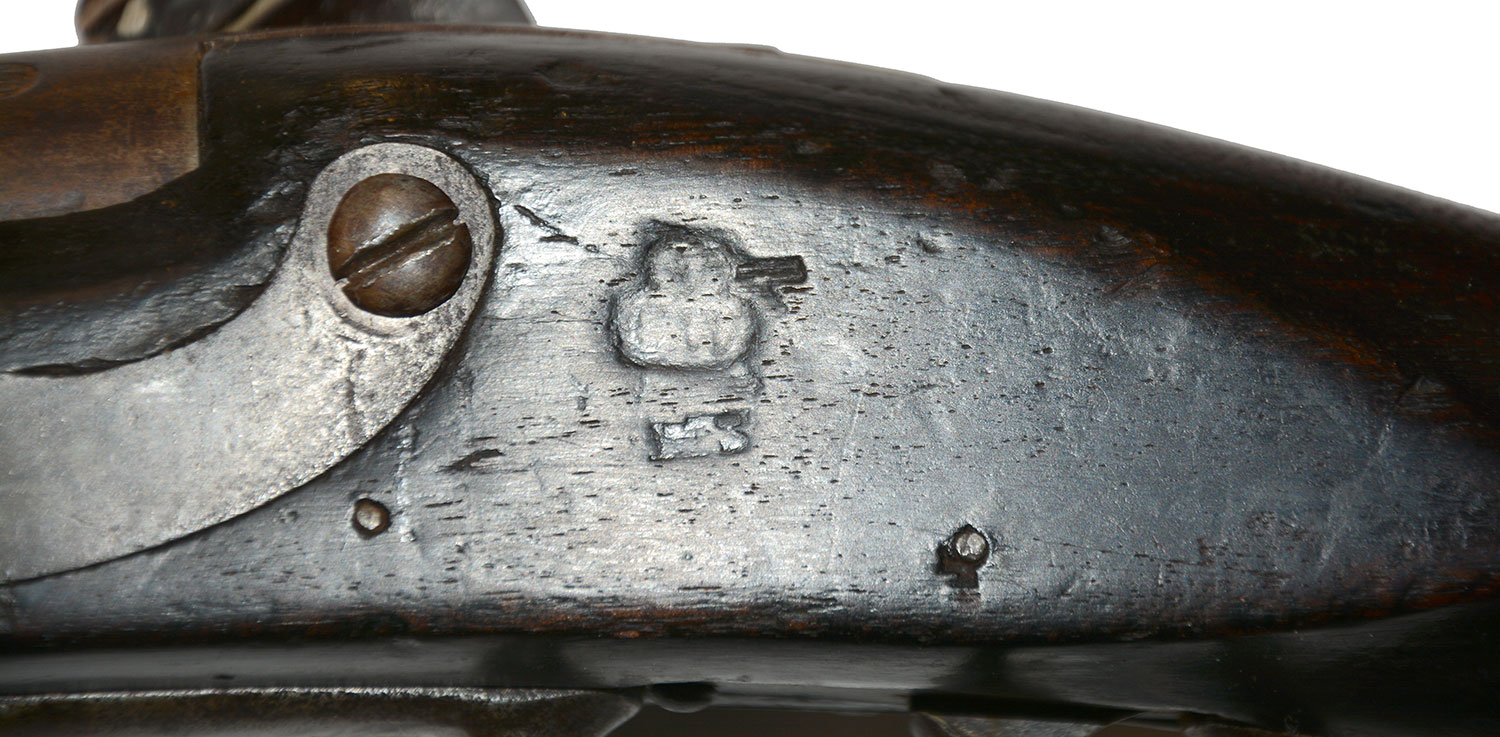
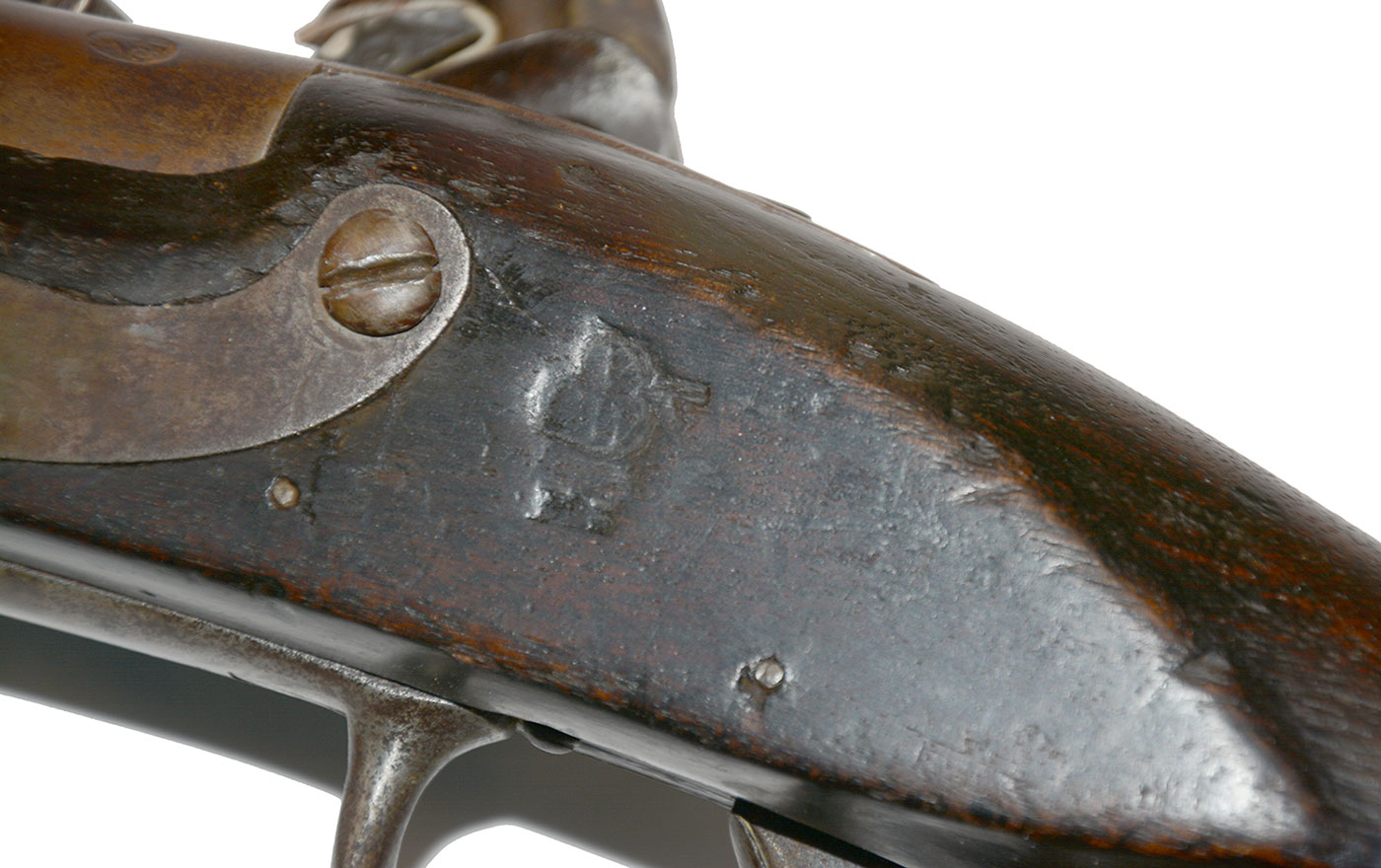
The lockplate is crisply marked at rear “CANTON / 1809” in a vertical arc, and forward of the cock with a US eagle perched on an oval containing the letters “US” over “R & C LEONARD” in small capital letters along the bottom edge of the plate, the eagle showing just a little wear at upper left. The barrel at the breech shows the sunken “[eagle’s head]/CT” stamp indicating US inspection of a contract arm, with a small, rubbed “US” below it and a slightly larger “MS,” indicating Massachusetts ownership next to it. (A series of small checks to the metal just to the right of that may obscure a “V” or other marks.) The Massachusetts ownership mark, MS, is repeated in the wood of the side flat, over which is the legible “V/C/W” in a trefoil cartouche of Charles Williams, who is recorded as inspecting arms by the Leonards. Massachusetts had required its militia to supply their own arms and being caught short of state-owned arms contracted with several gunsmiths for muskets in an effort to build up their reserve. The markings on this musket, however, indicate it was produced on a US contract and transferred to Massachusetts under the militia act of 1808 at some point in time.
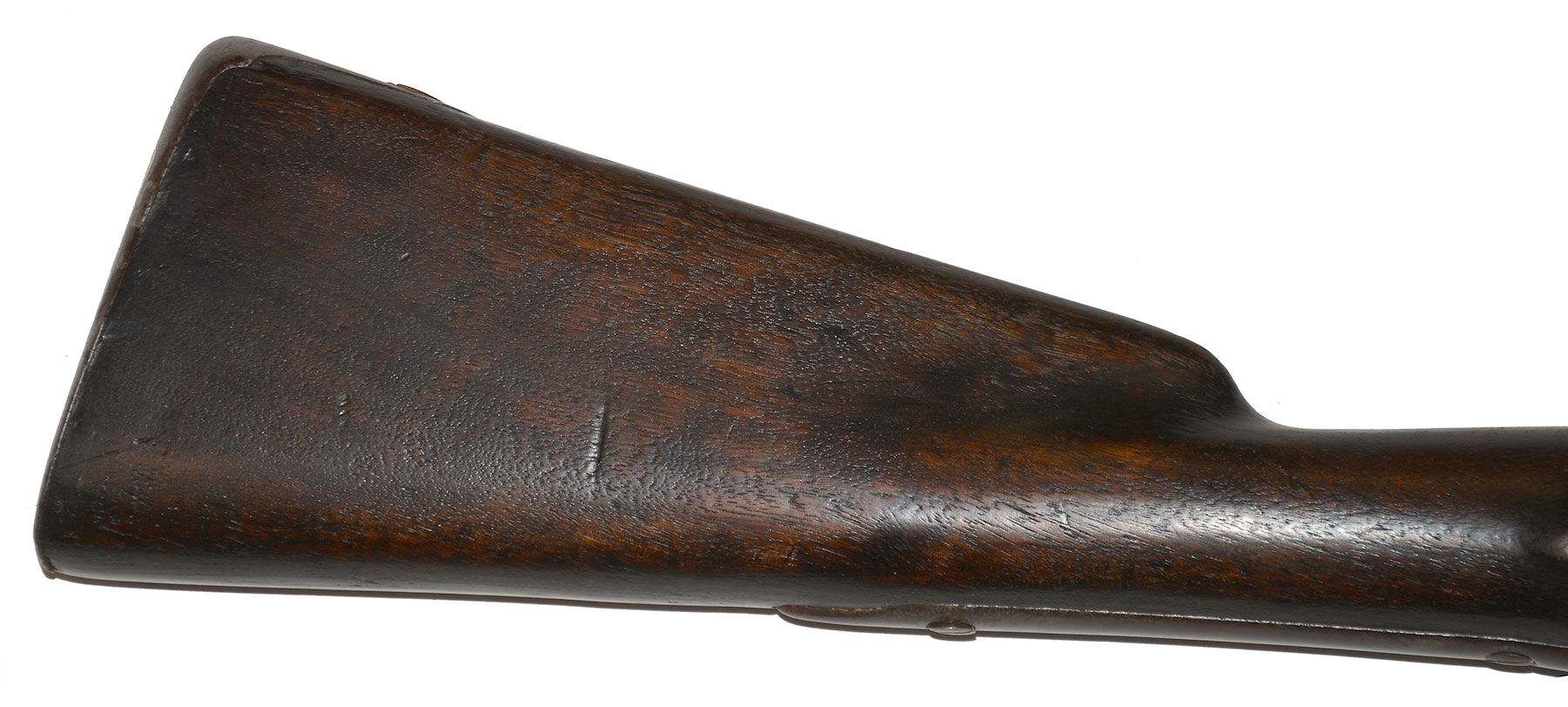
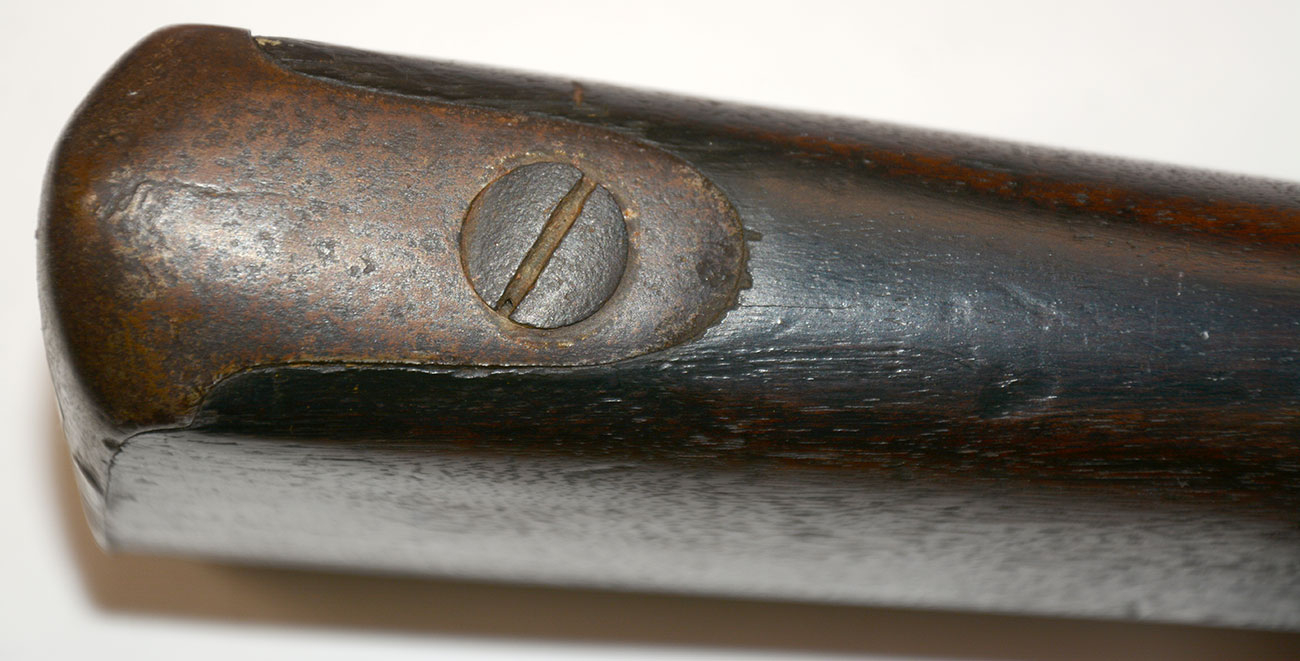
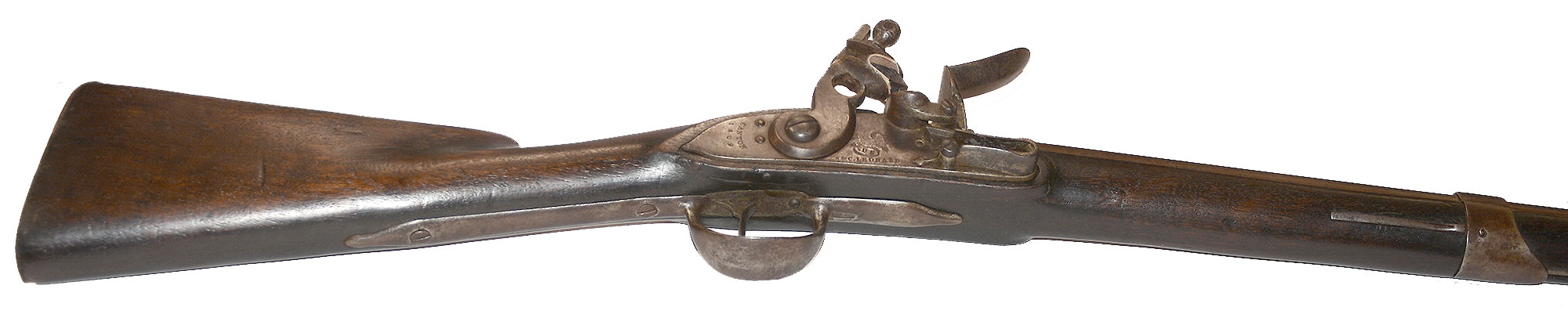
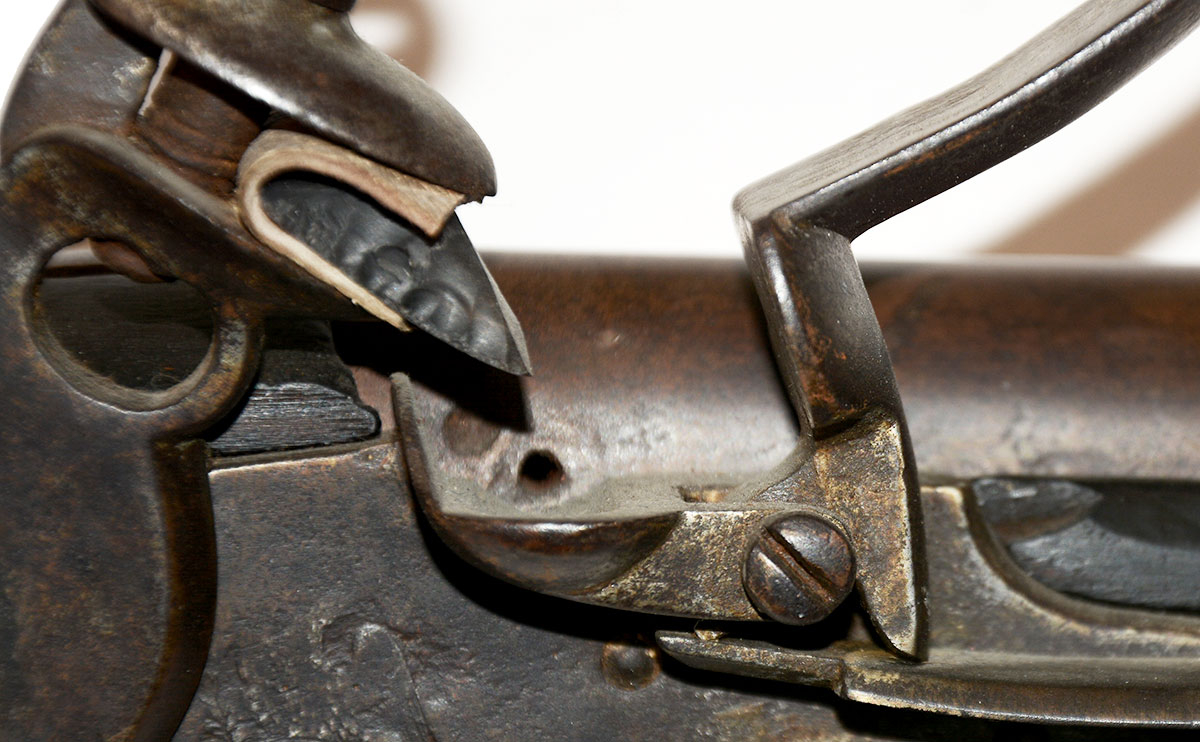
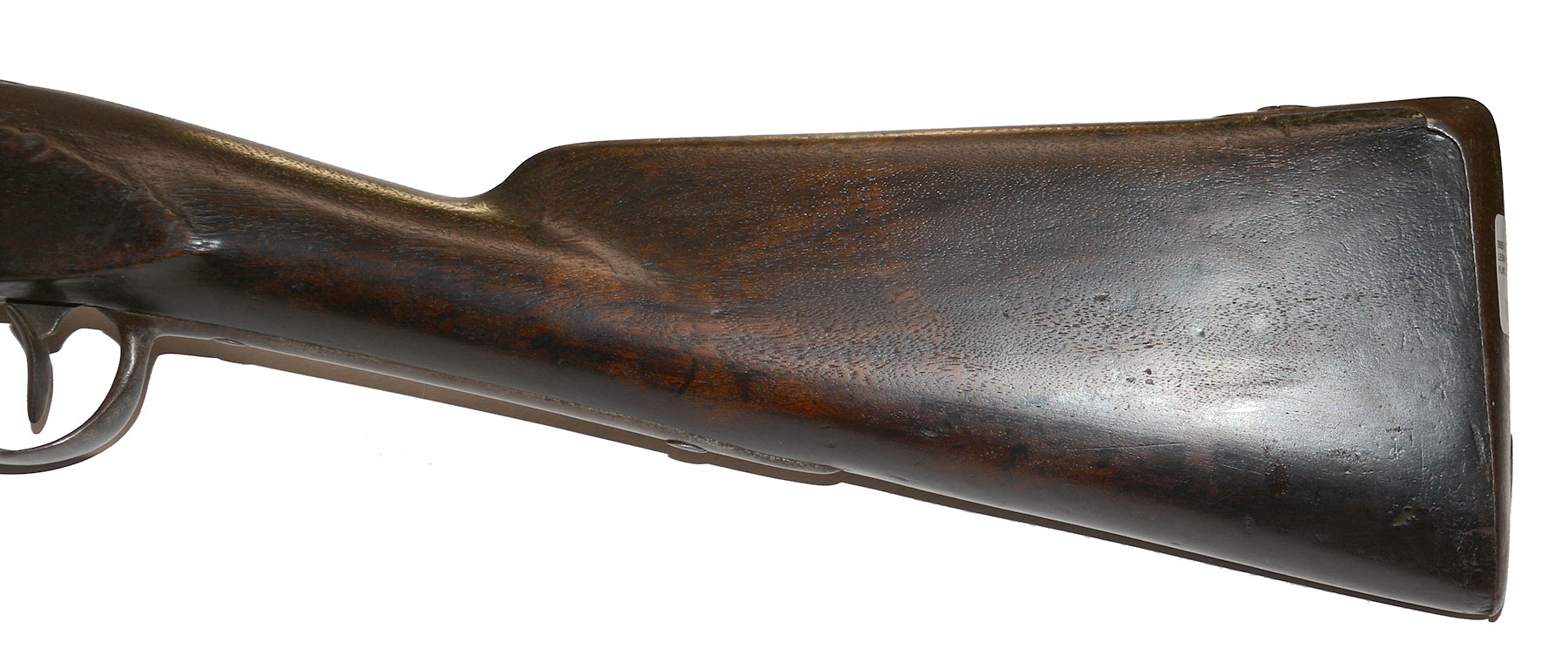
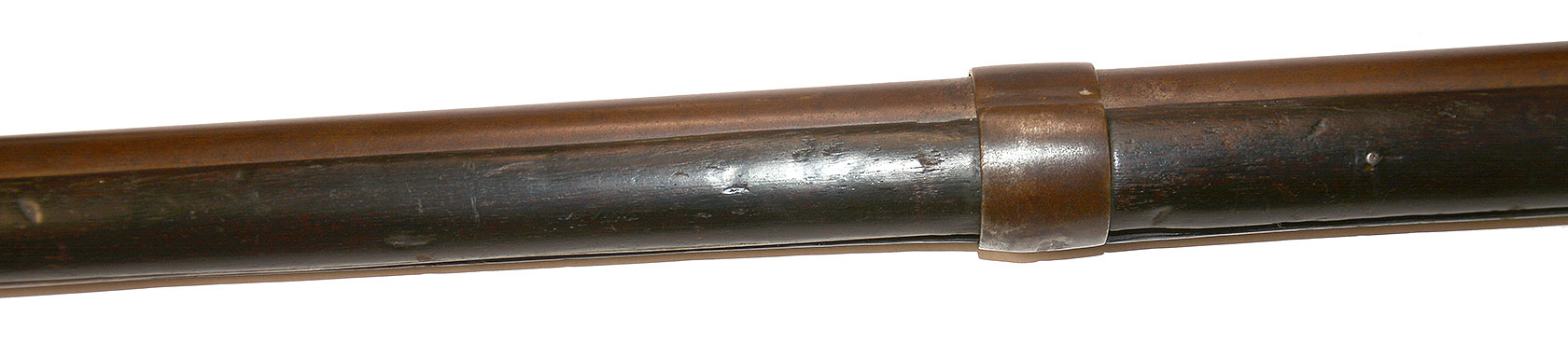
The musket is in original flint rates very good for condition. The metal is smooth and the wood to metal fit is tight with the exception of a narrow shrinkage gap along either side of the breechplug tang. The markings on both metal and wood are very good, lock markings crisp, the barrel markings legible though a bit rubbed and the V obscured, and marks in the wood on the sideflat completely legible. The metal shows as a thin brown overall with some gray showing on the triggerguard and some blue tones on the lock plate, but no pitting, just the little bit of chattering on the left breech. The 44-1/2” barrel is full length, with bottom-mounted bayonet stud and front sight on the rear strap of the upper band in place. The studs for mounting sling swivels were removed, likely for postwar civilian use after being sold as surplus- likely during the upgrade of more recent flintlock arms to percussion. The vent is good. The wood overall shows mainly just minor handling marks, good color and finish, mostly medium brown with some slightly darker tones mixed in on the underside and on lower left butt flat near the buttplate. The edges of the barrel channel show some rounding. The ramrod channel shows some wear and small chips from return of the rammer. The sideflat shows slightly rounded edges. There is a small bit of chipping at the base of the breechplug tang. The edges of the lock apron are good, but show an old tack-repaired crack on the underside of the lower left rear, with a small chip out just under the rear point of the lock plate. The left side of the muzzle shows an old collection number “35” in white paint that we have left untouched, but looks like it could be easily removed. This has the earliest date we have seen on a Leonard US contract M1808. Please see our photographs. [sr][ph:L]
DISCLAIMER: All firearms are sold as collector's items only - we do not accept responsibility as to the shooting safety or reliability of any antique firearm. All firearms are described as accurately as possible, given the restraints of a catalog listing length. We want satisfied customers & often "under" describe the weapons. Any city or state regulations regarding owning antique firearms are the responsibility of the purchaser. All firearms are "mechanically perfect" unless noted, but again, are NOT warranted as safe to fire!
~~~~~~~~~~~~~~~~~~~~~~~~~~~~~~~~~~~
THIS ITEM, AS WITH ALL OTHER ITEMS AVAILABLE ON OUR WEB SITE,
MAY BE PURCHASED THROUGH OUR LAYAWAY PROGRAM.
CLICK HERE FOR OUR POLICIES AND TERMS.
THANK YOU!
Inquire About SCARCE 1809 DATED R & C LEONARD US CONTRACT 1808 MUSKET WITH MASSACHUSETTS OWNERSHIP MARKINGS
Most Popular
Historical Firearms Stolen From The National Civil War Museum In Harrisburg, Pa »
Theft From Gravesite Of Gen. John Reynolds »
Selection Of Unframed Prints By Don Troiani »
Fine Condition Brass Infantry Bugle Insignia »
Rare Identified 65Th Ny Sergeant’s Jacket, With Manscript Material: 1St U.s. Chasseurs »
featured item
EXQUISITELY BEAUTIFUL LARGE 1862 DATED PORTRAIT OF AN UNKNOWN UNION LIEUTENANT COLONEL
This fantastic painting is oil on canvas and meas. approx. 35.00 x 39.00 inches framed. The subject is an unknown Union lieutenant colonel from the Philadelphia area. He wears a dark blue double-breasted frock coat with gold buttons and a white… (L15593). Learn More »
site search