


site search
online catalog
WONDERFUL SPENCER REPEATING RIFLE

Hover to zoom




$5,950.00 ON HOLD
Quantity Available: 1
Item Code: 490-7024
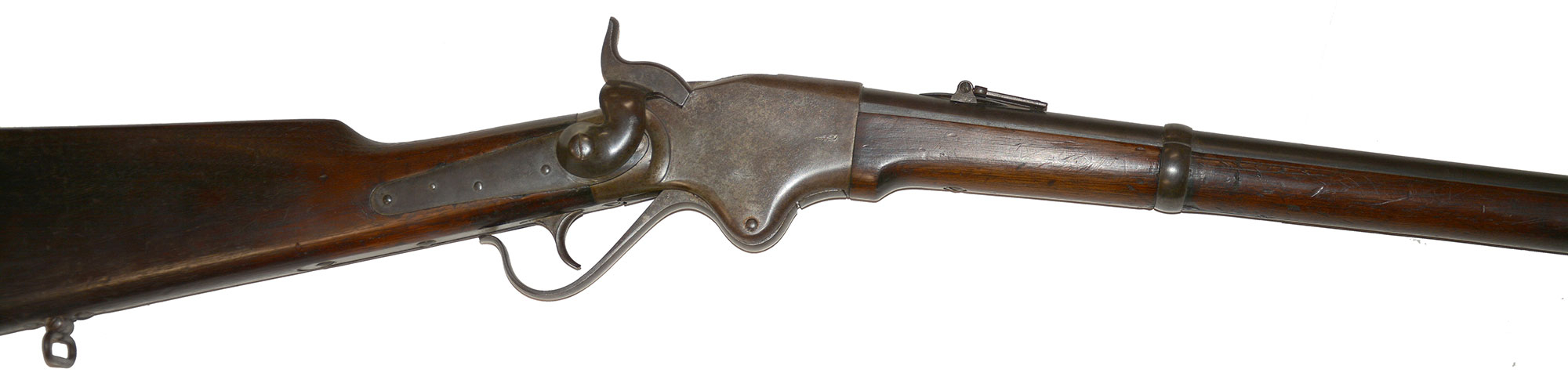
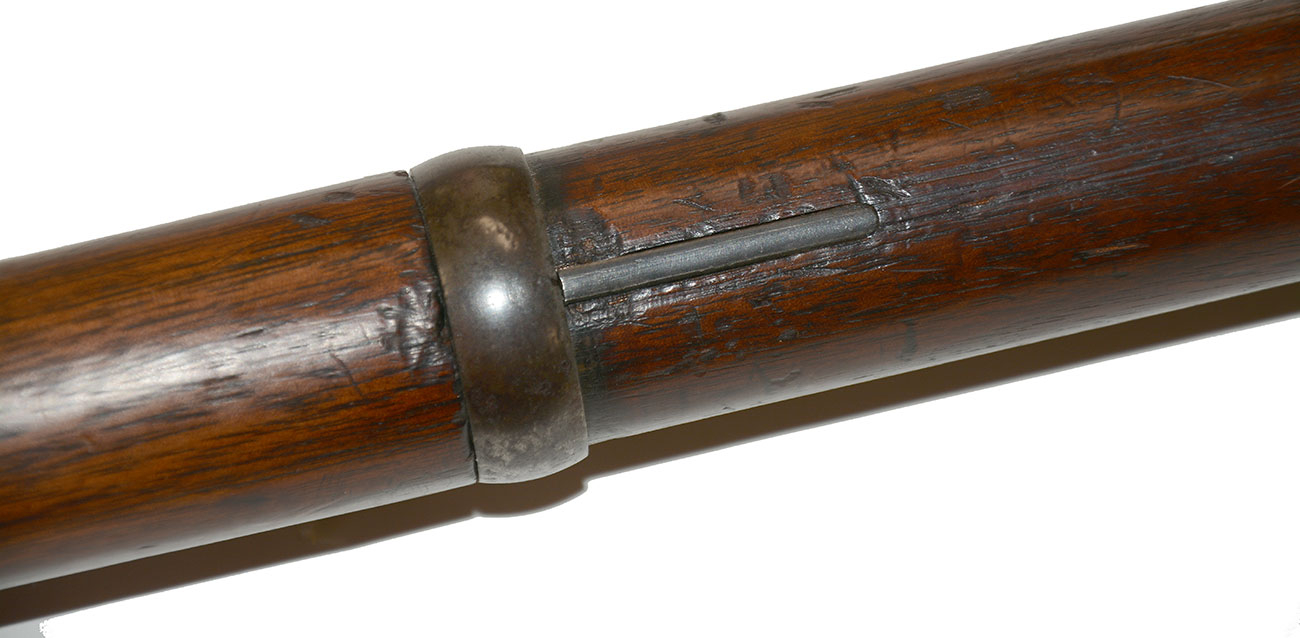
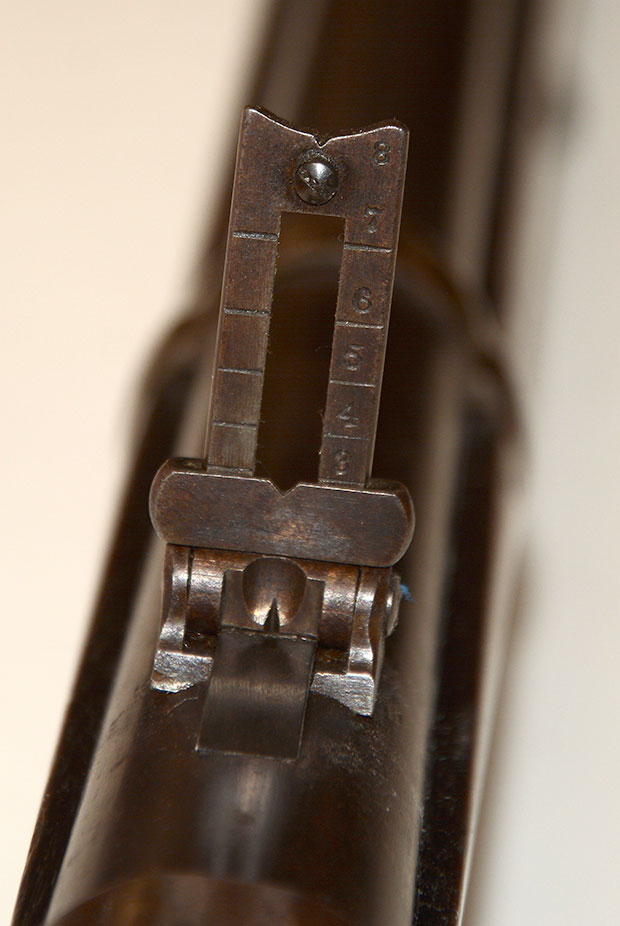
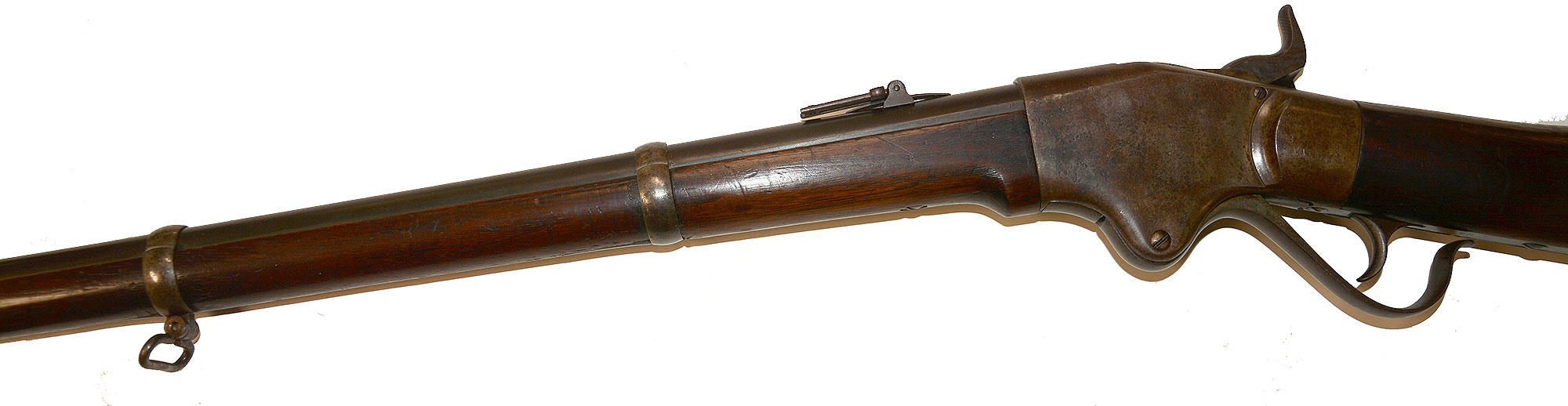
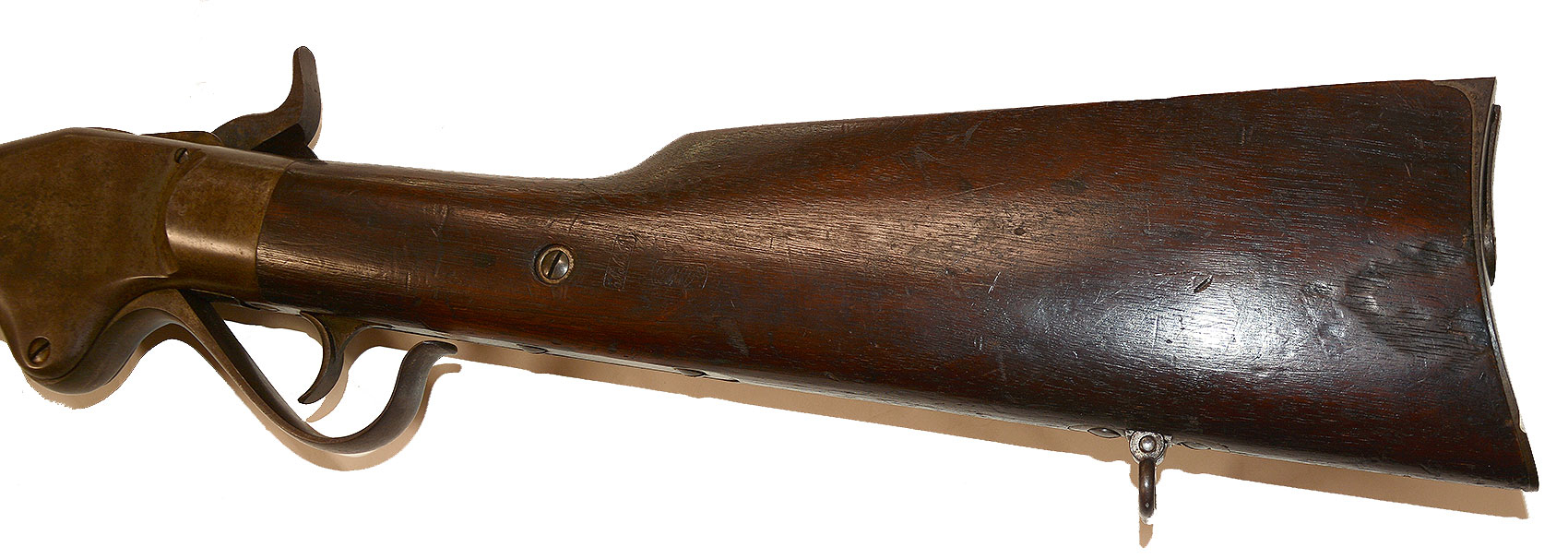
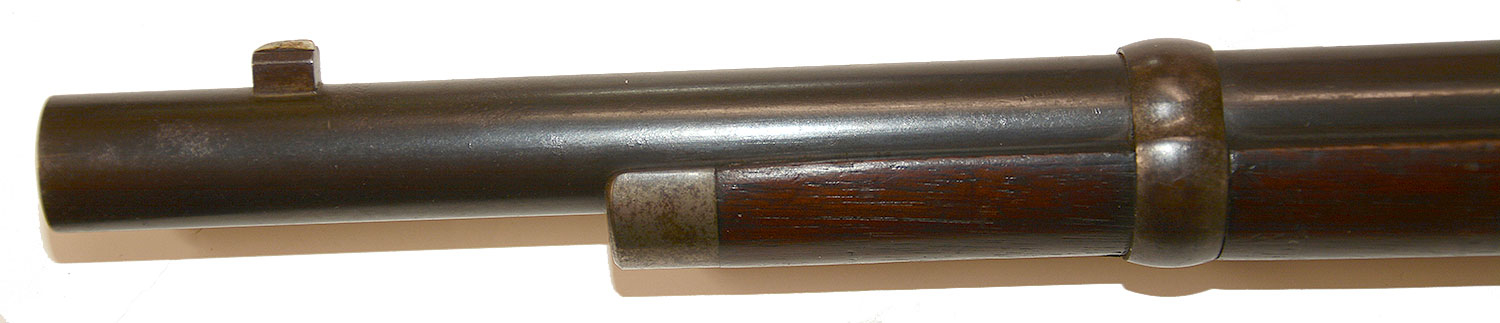
This is a wonderful example of a Spencer Rifle, one of the most sought-after and advanced weapons of the Civil War. The action is strong and the firearm operates mechanically as new. The barrel would benefit from a very gentle cleaning of surface oxidation, but the rifling is strong. Remaining bluing holds at about 60-70% with the case-colored receiver retaining light shades of its original color. Elevated sights are fully operational and complete, and the front sight blade still shines brilliantly.
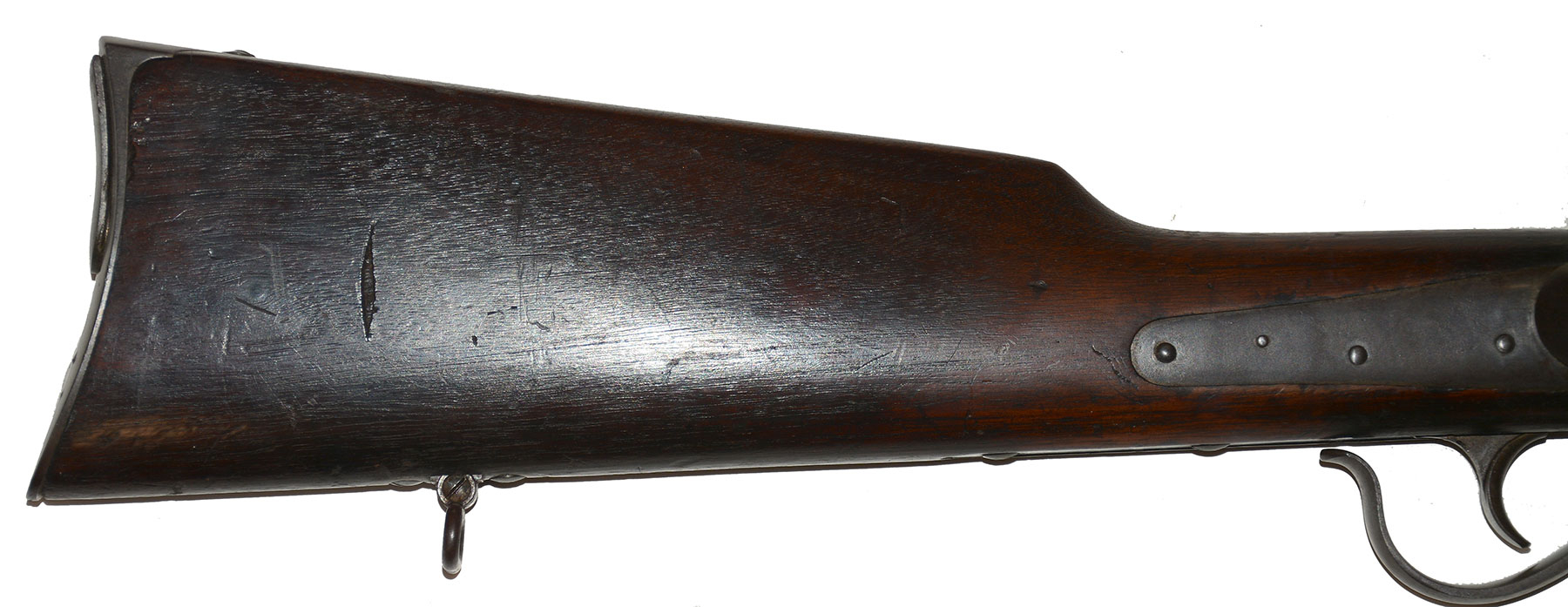
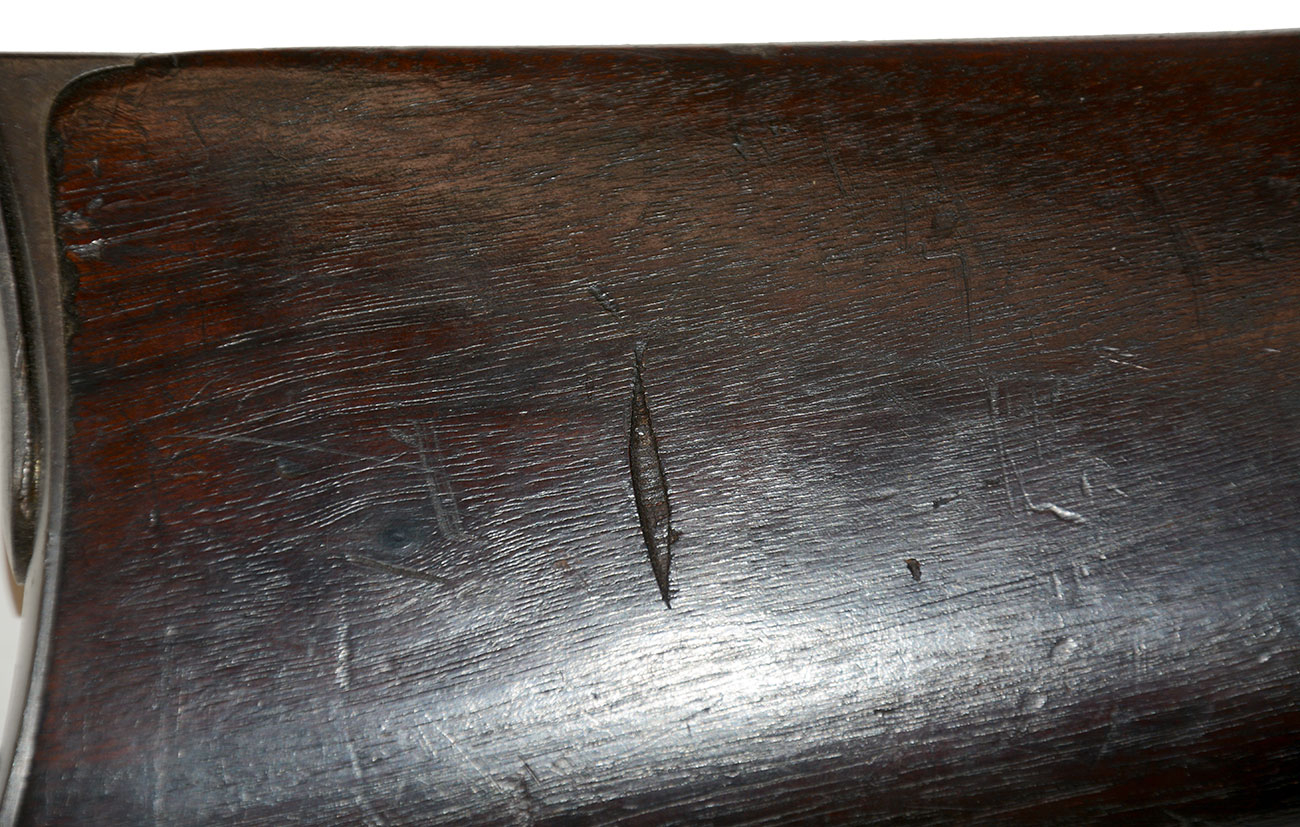
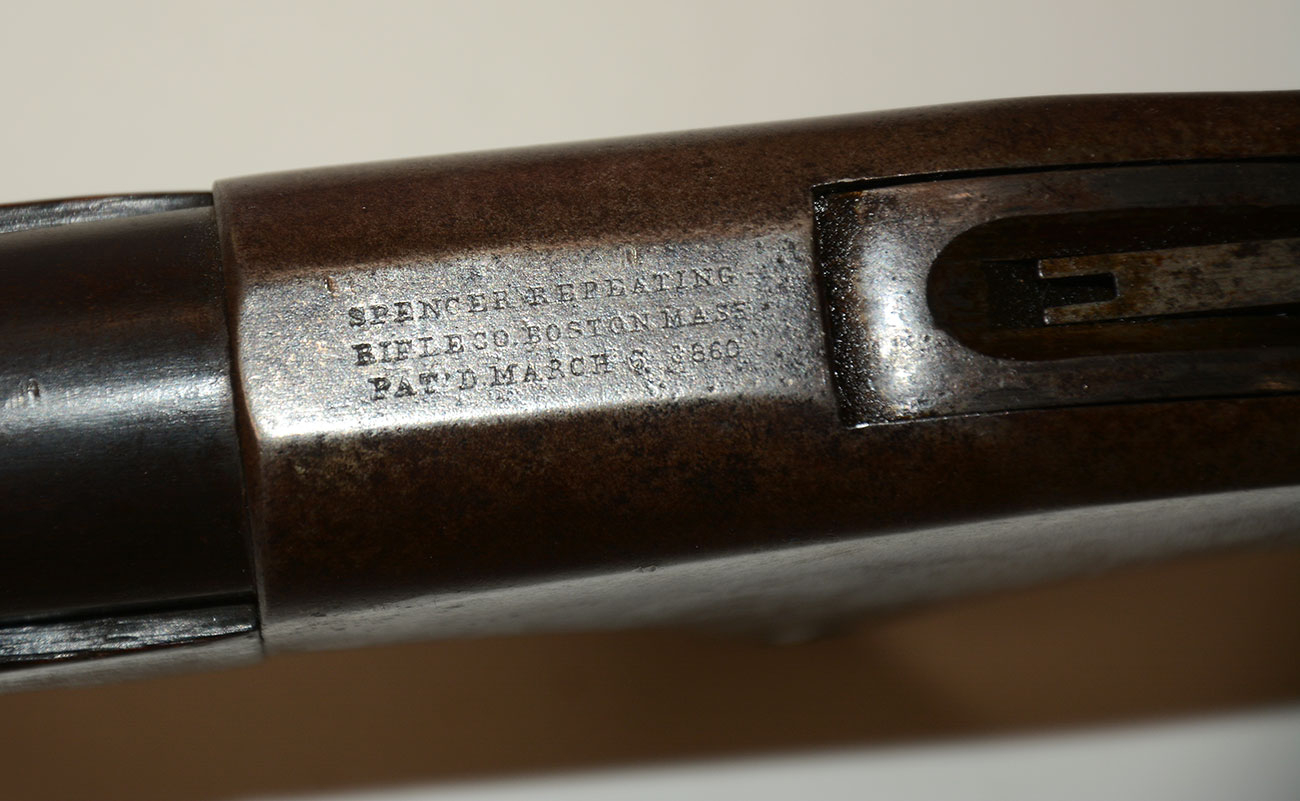
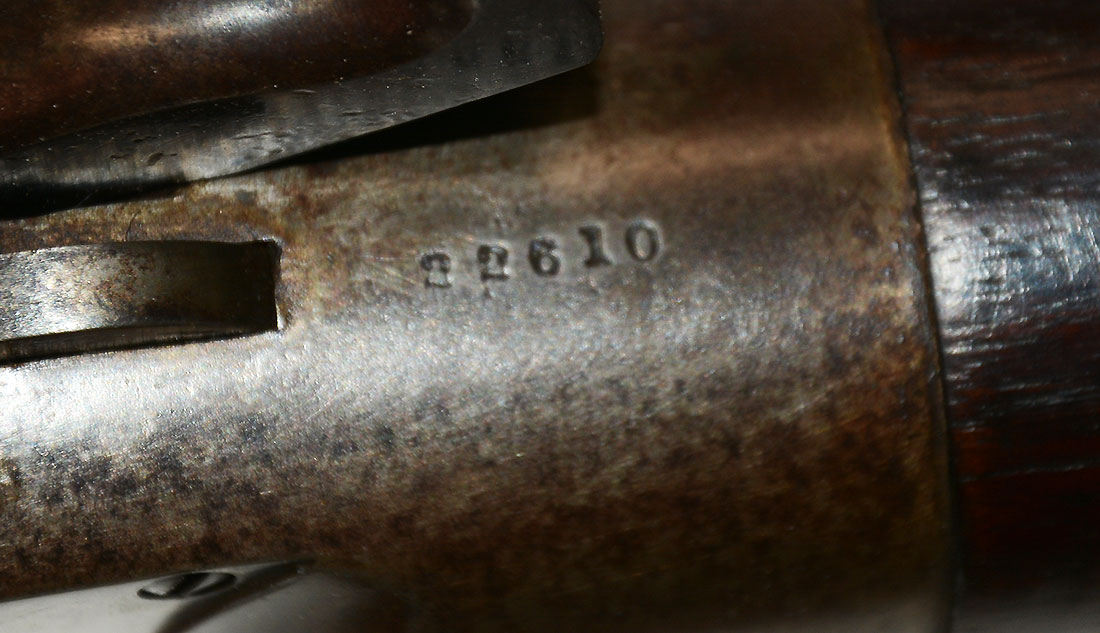
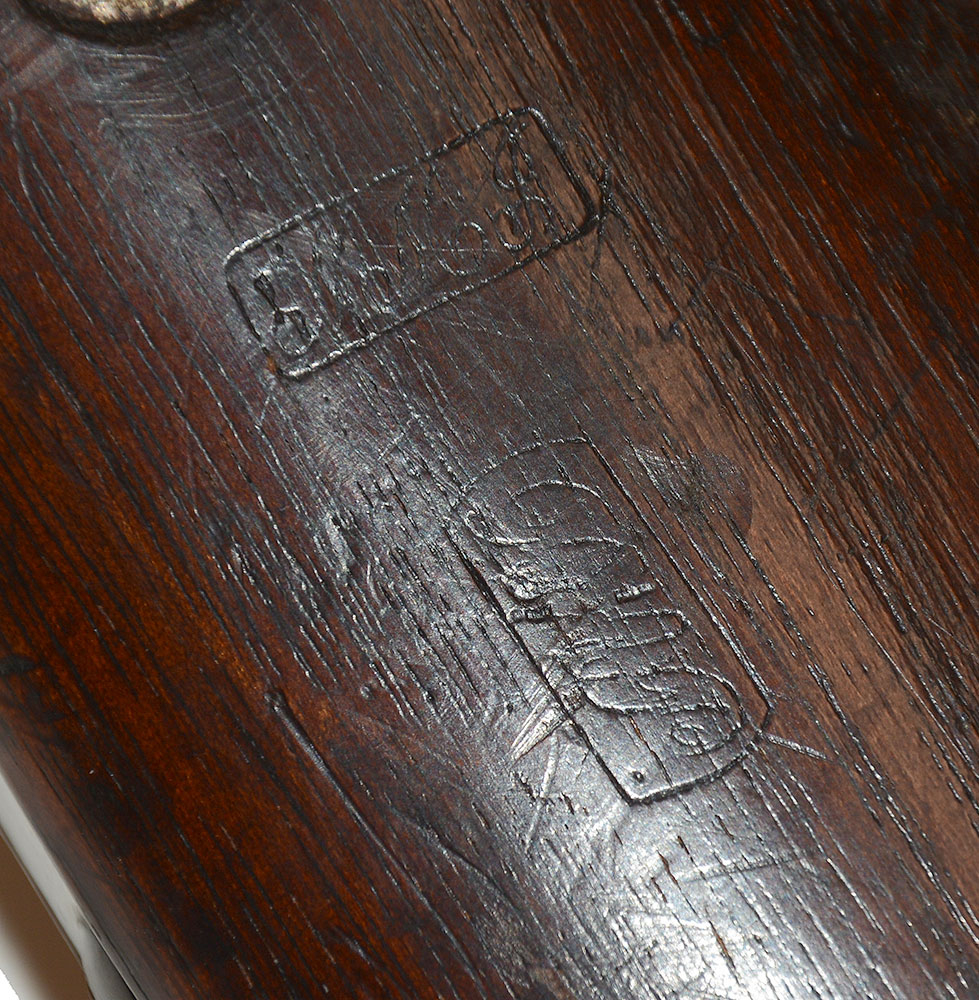
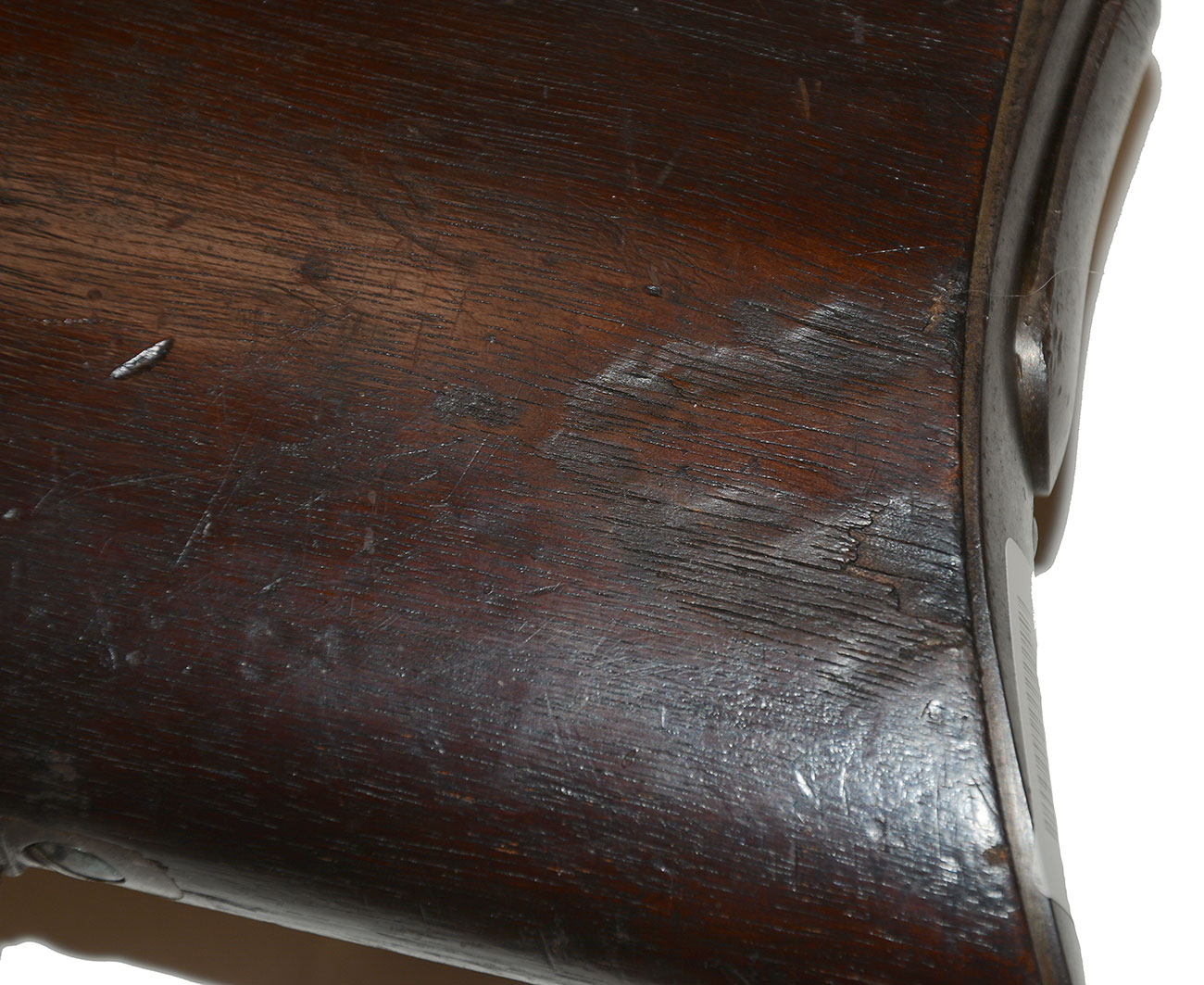
The rifle is complete, with sling swivels and all original markings to include serial number 9548, “SPENCER REPEATING RIFLE CO. BOSTON MASS PAT’D MARCH 6 1860” on the upper receiver and an “H” on the barrel. Two inspector cartouches adorn the stock, which is a nice, rich brown color. Light imperfections such as “dings” and “dents” can be found on the stock and forend – characteristic of its intended use as a weapon of war. The magazine follower is in excellent condition, with remnants of the original lubricant still evident. The follower spring is strong.
On March 6, 1860, Spencer received a patent on a lever-action repeater with a rotating block, which fed rimfire cartridges into the chamber via a tubular magazine bored through the buttstock.
Working the Spencer repeating rifle was simple and reliable. One dropped a number of cartridges, nose-first, into the magazine. A spring-loaded follower tube was then pressed into the tube and locked in place. Next, the shooter put the hammer on halfcock and lowered the lever to allow a cartridge to be pushed into position by the follower. Raising the lever chambered the round. Now all one had to do was cock the hammer, aim, and fire.
Following discharge, the hammer was again placed on halfcock (necessary from a safety standpoint, as the firing pin was a single piece of metal sliding through the right side of the breechblock, and if the action were closed quickly, it would be possible to accidentally discharge a round), and the lever was lowered. This action pulled the case from the chamber by means of a thin, finger-like extractor and then popped it free of the gun by sliding it across a narrow ramp that dropped down into a groove on the top of the block. Raising the lever chambered the next round and so on, until all the ammunition was expended.
This is a prime Spencer to add to your collection of Civil War memorabilia. [cm] [ph:L]
DISCLAIMER: All firearms are sold as collector's items only - we do not accept responsibility as to the shooting safety or reliability of any antique firearm. All firearms are described as accurately as possible, given the restraints of a catalog listing length. We want satisfied customers & often "under" describe the weapons. Any city or state regulations regarding owning antique firearms are the responsibility of the purchaser. All firearms are "mechanically perfect" unless noted, but again, are NOT warranted as safe to fire.
~~~~~~~~~~~~~~~~~~~~~~~~~~~~~~~~~~~
THIS ITEM, AS WITH ALL OTHER ITEMS AVAILABLE ON OUR WEB SITE,
MAY BE PURCHASED THROUGH OUR LAYAWAY PROGRAM.
CLICK HERE FOR OUR POLICIES AND TERMS.
THANK YOU!
Inquire About WONDERFUL SPENCER REPEATING RIFLE
Most Popular
Historical Firearms Stolen From The National Civil War Museum In Harrisburg, Pa »
Theft From Gravesite Of Gen. John Reynolds »
Selection Of Unframed Prints By Don Troiani »
Fine Condition Brass Infantry Bugle Insignia »
featured item
VIRGINIA OFFICER’S BELT PLATE REMOVED FROM THE BODY OF COL. JAMES G. HODGES, 14th VIRGINIA, KILLED IN PICKETT’S CHARGE, WITH HIS COLONEL’S STARS- THE PLATE RETURNED TO HIS WIDOW IN 1903!
This historic group includes the Virginia Confederate officer’s sword belt plate removed from the body of Colonel James Gregory Hodges, 14th Virginia, Armistead’s brigade, killed at the stone wall near the 69th Pennsylvania monument and High… (846-563). Learn More »
site search