


site search
online catalog
AUSTRIAN MODEL 1849 RIFLE – THE “GARIBALDI RIFLE”

Hover to zoom


$975.00 ON HOLD
Quantity Available: 1
Item Code: 2026-847
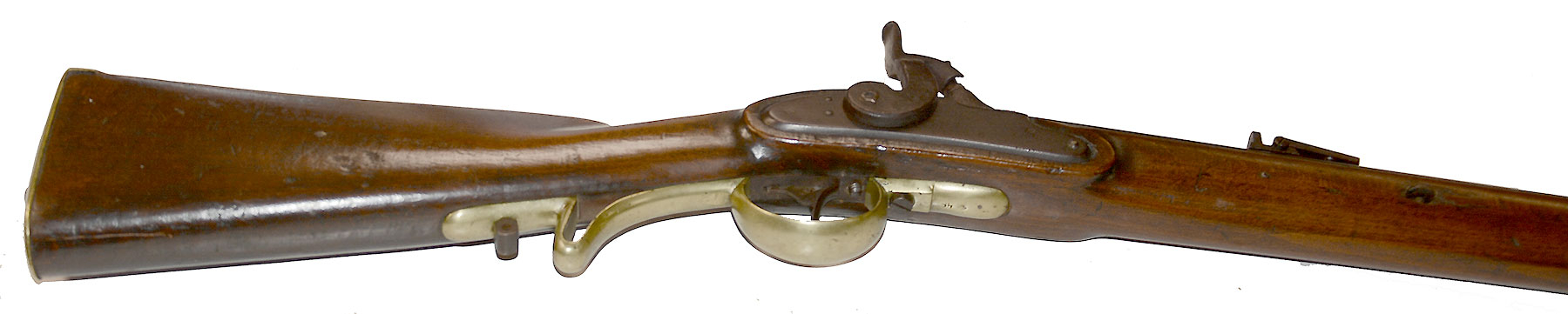
The Muster 1849 Kammerbuchse (or, Chamber Rifle) was originally built using the Austrian "Pill Lock", an odd percussion lock that might best be described as a cross between a flint lock and a percussion lock. These rifles were originally used to arm the first two ranks in Jäger battalions, the third rank in Grenz regiments, and some specialist troops such as engineers.
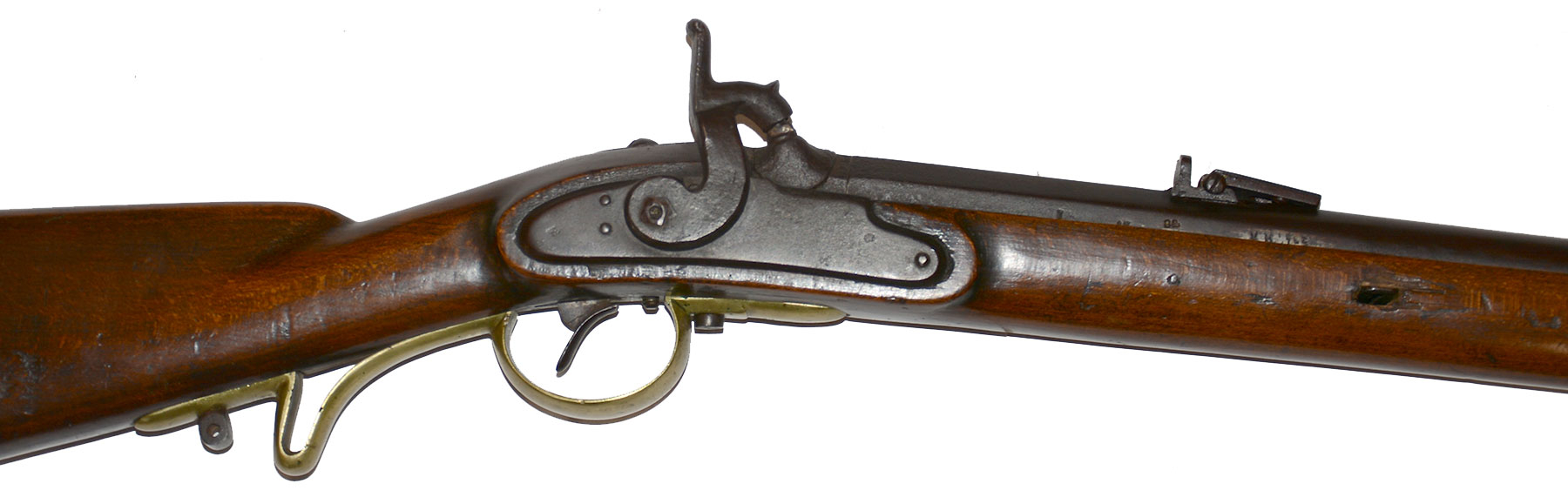
At the start of the American Civil War, however these mighty .71 rifles were purchased from Austria by both Northern and Southern agents. But, before the rifles were shipped across the Atlantic, they were first sent to Liege Belgium where they were converted to percussion lock. These alterations also included the addition of a ramrod and ramrod channel, as these rifles were originally designed to be rammed with a separate loading rod that was carried in a scabbard next to the rifle's bayonet.
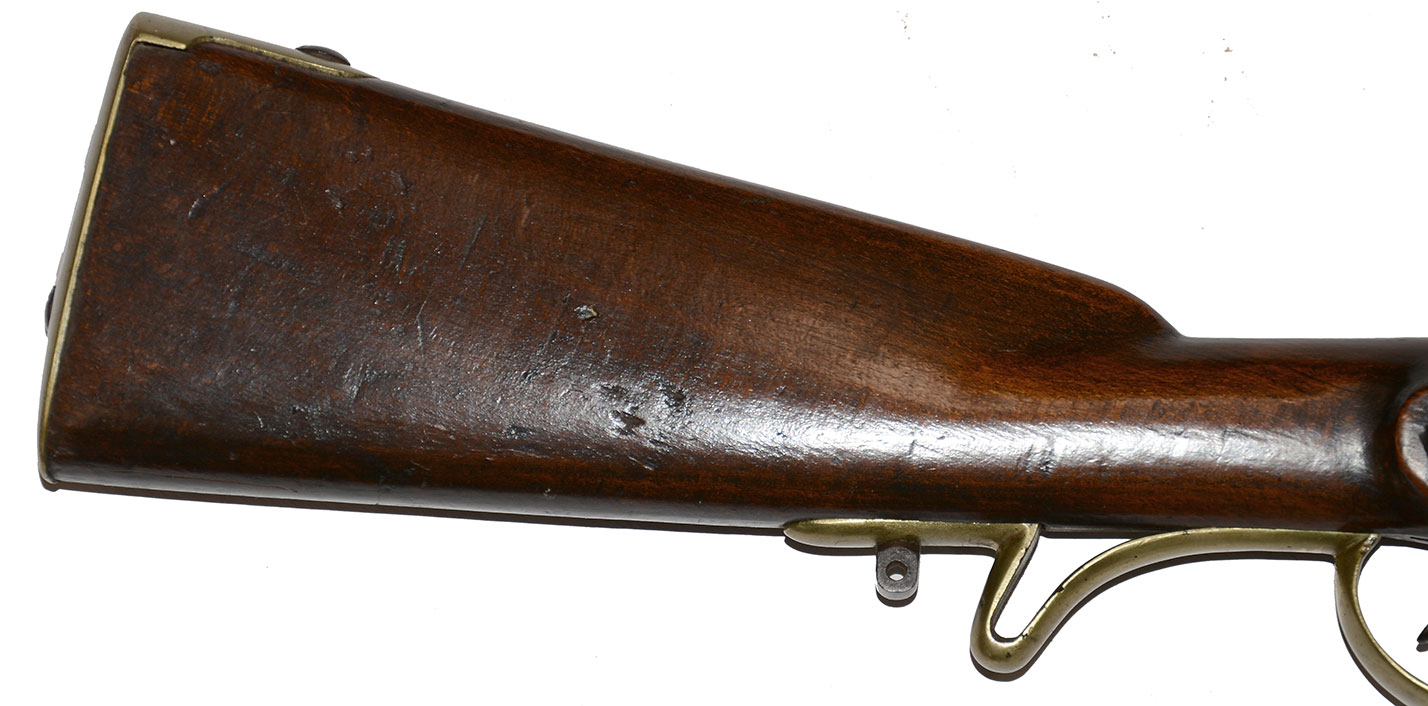
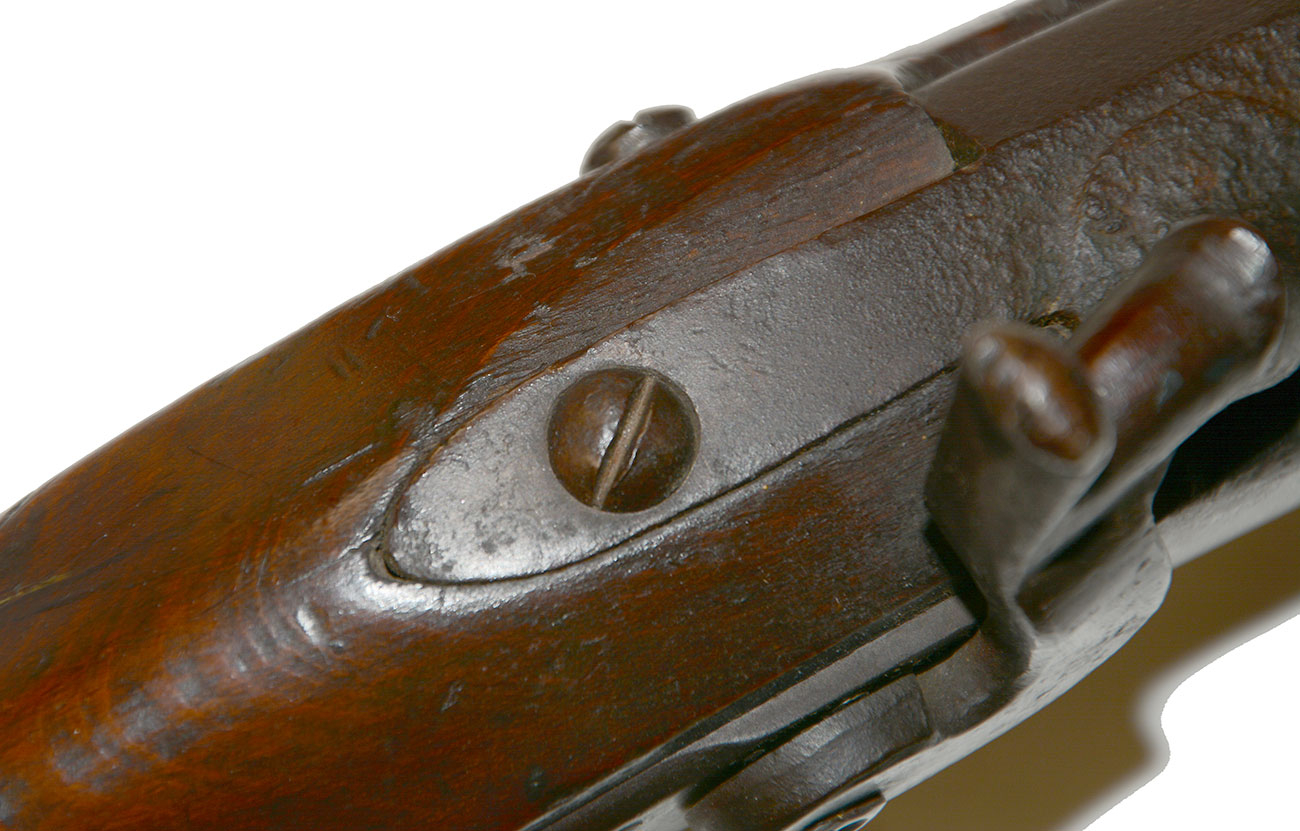
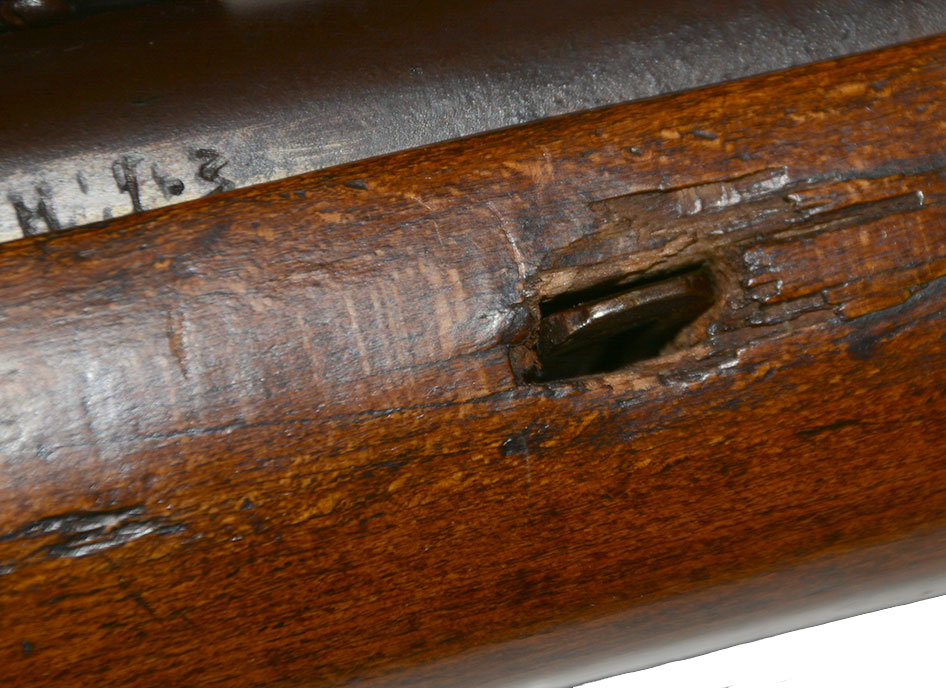
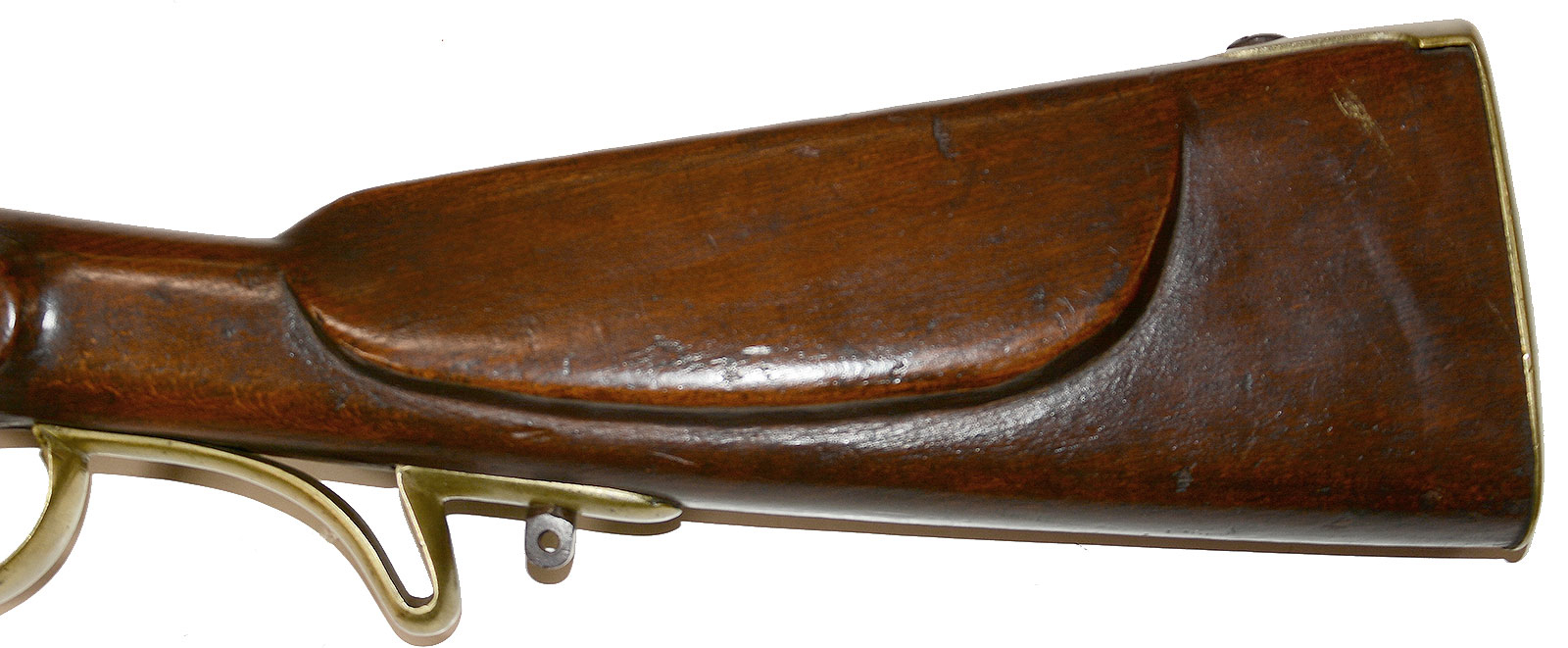
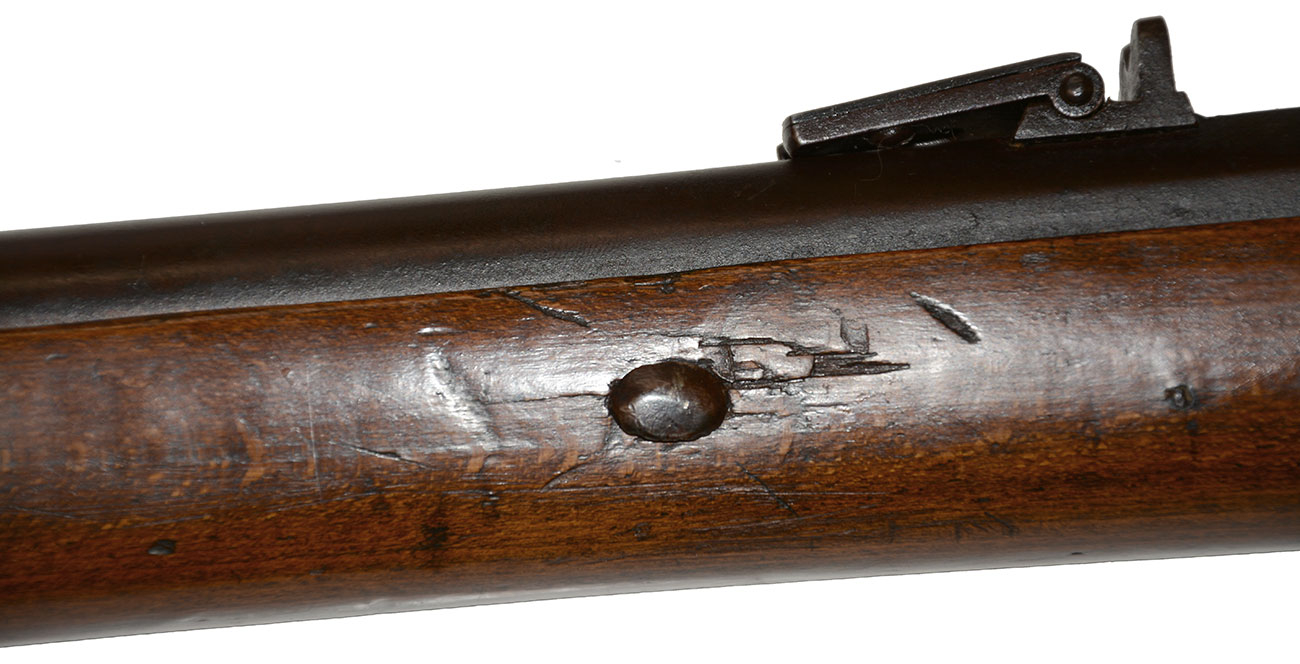
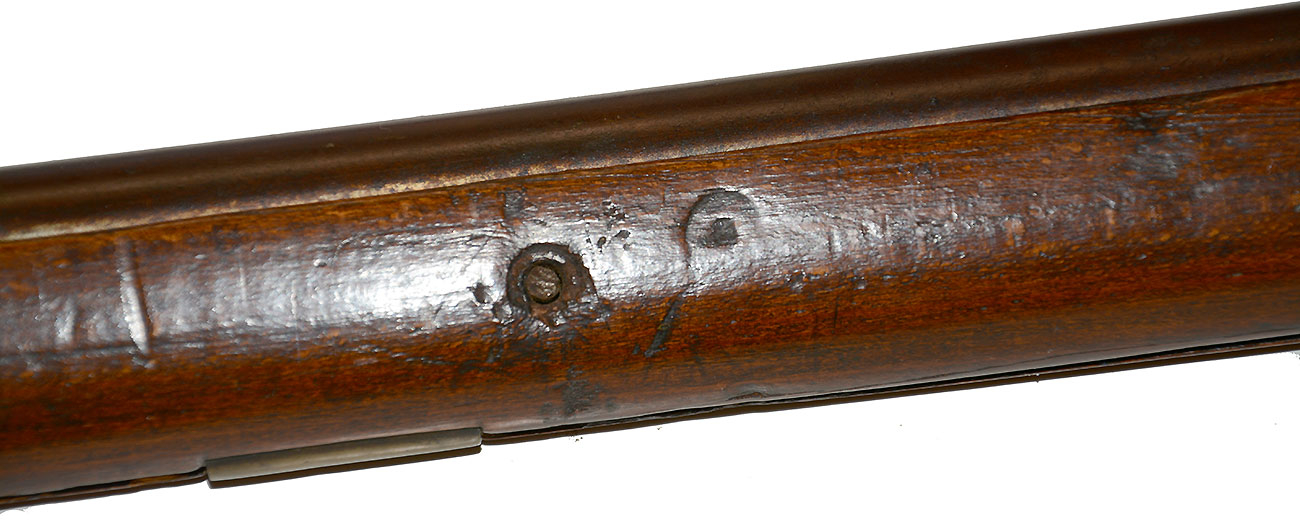
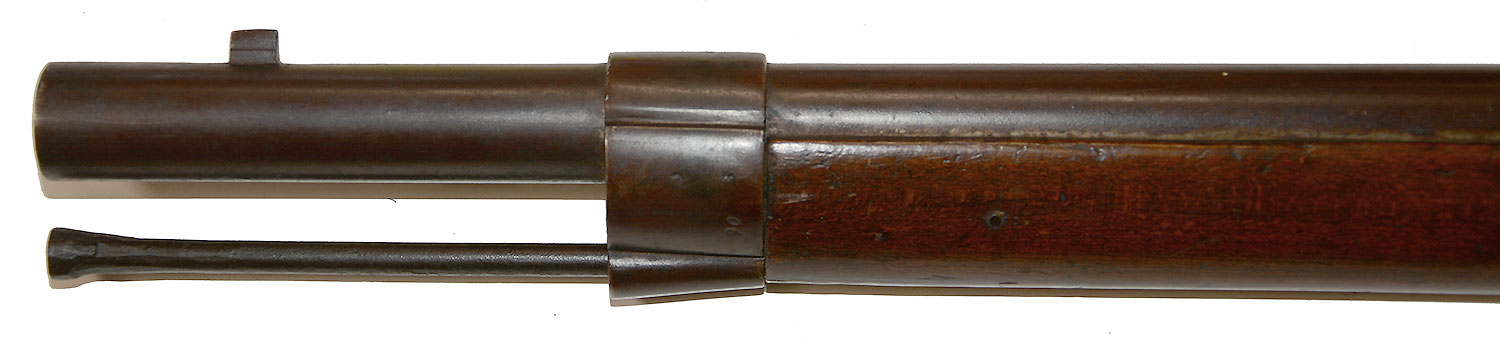
Weapon measures approximately 48” long overall and has a 32.5” inch octagonal-to-round barrel with a blade front sight at top and a bayonet lug on the right side of the muzzle. The barrel surface shows a plum patina and remains mostly smooth. Some fine pitting is noted near the breech and bolster. The barrel is anchored to the stock by a pin forward of the trigger guard and a single iron barrel band at the end of the stock approx. 4.75” from the muzzle. Band is held by a strong band spring, while the barrel pin channel has widened over time to produce a loose fit. A hairline crack near the side plate’s rear screw is noted, as is some wood loss near the barrel tang.
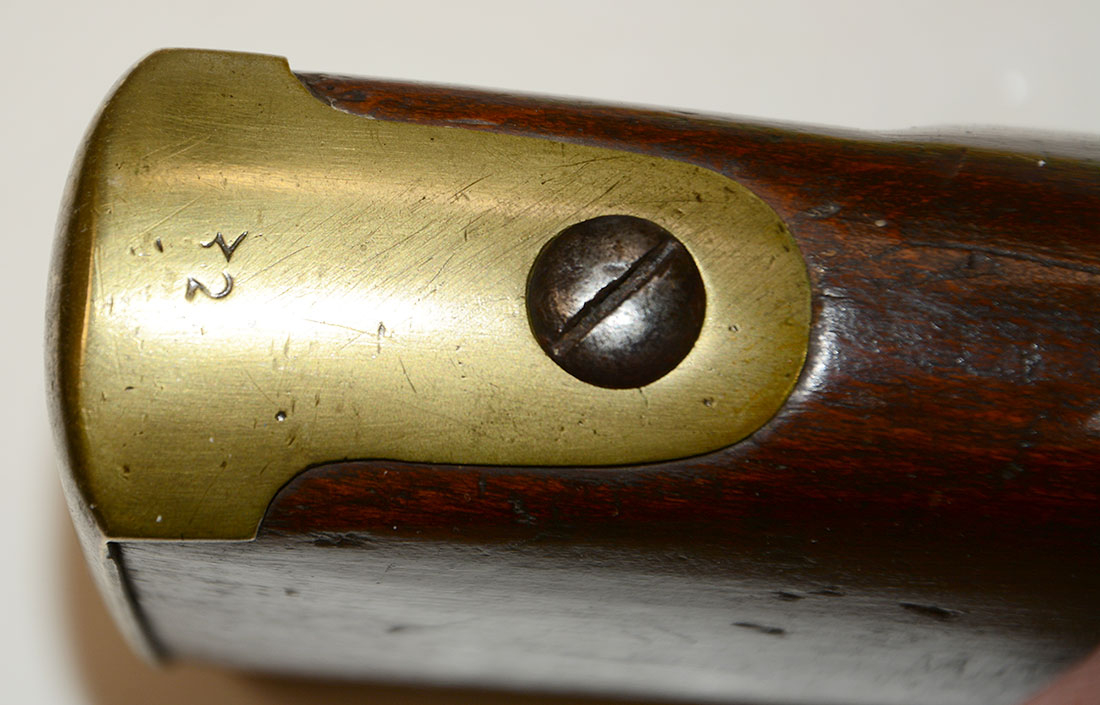
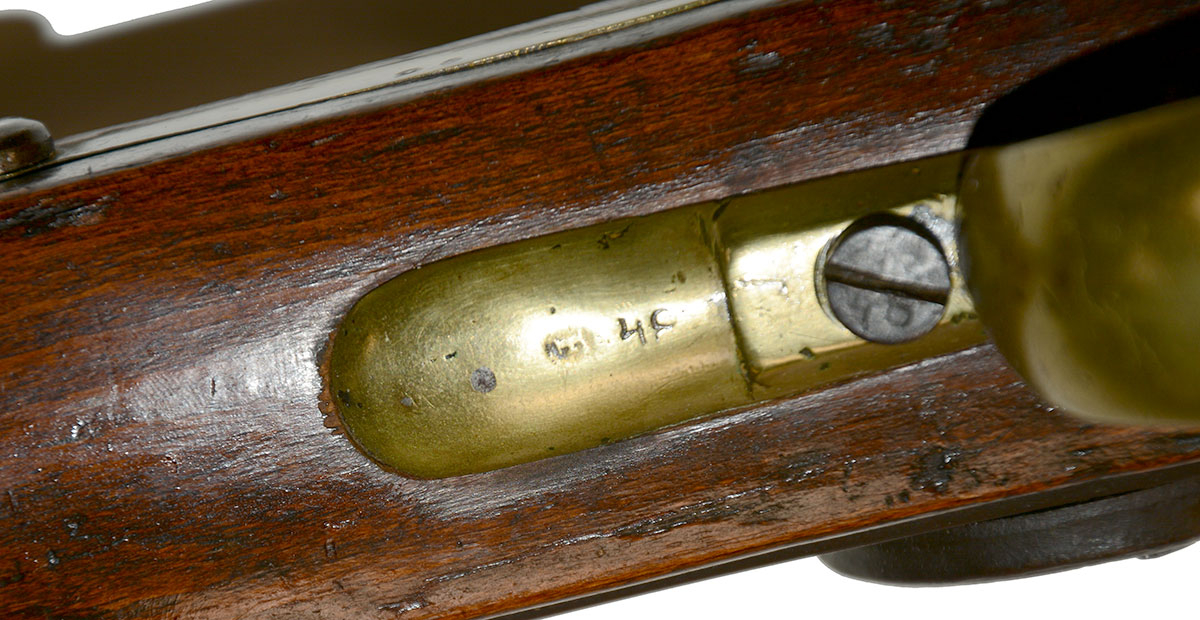
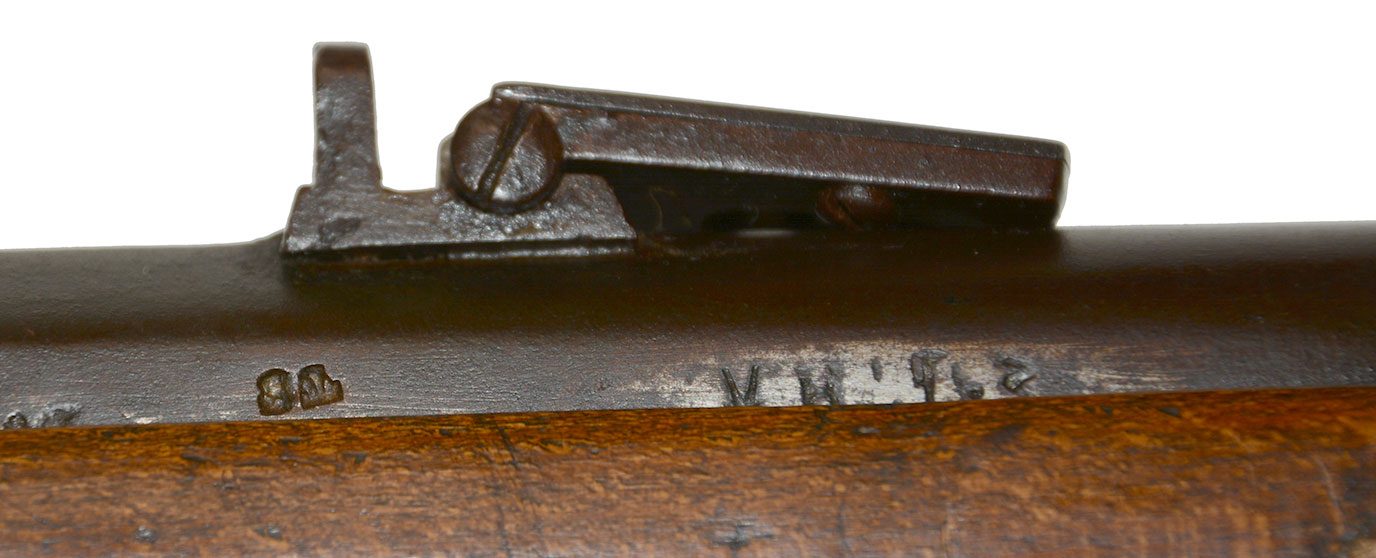
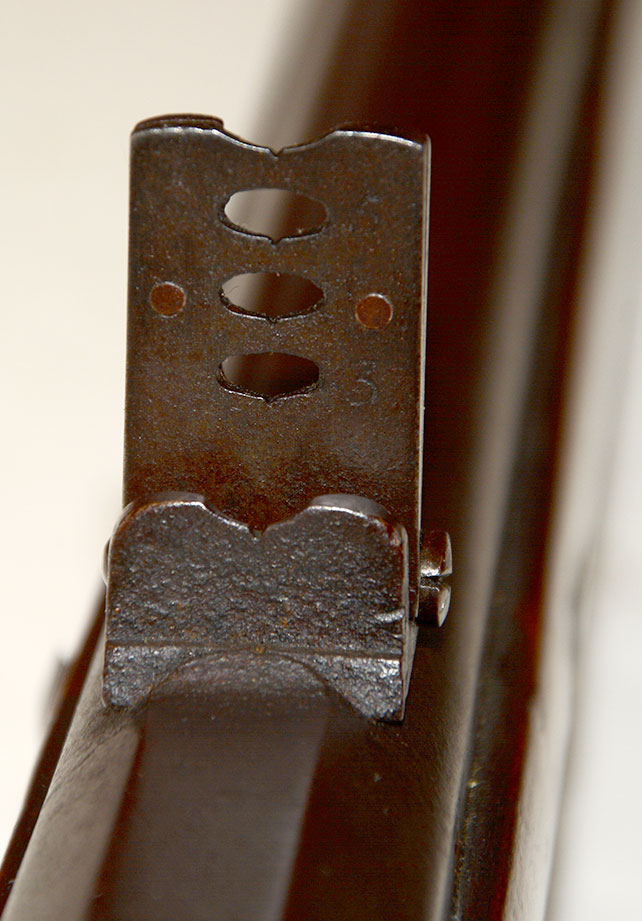
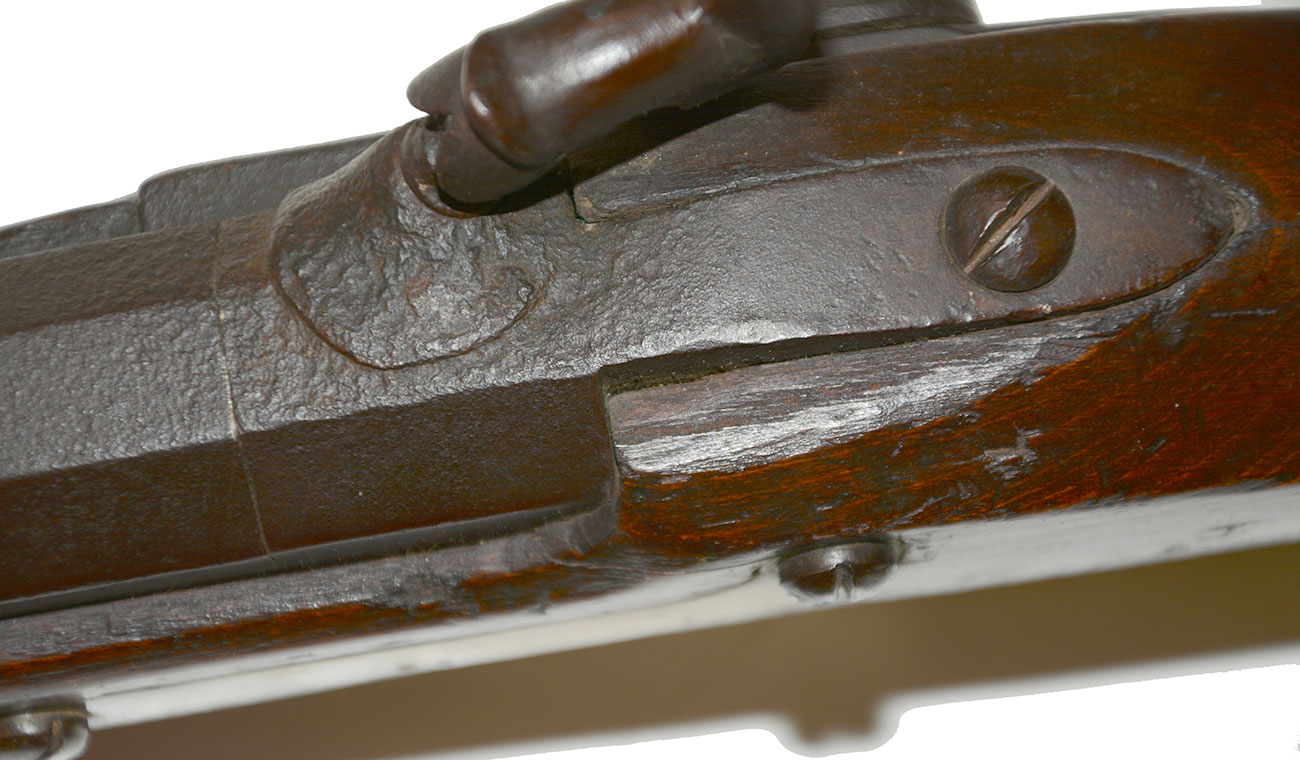
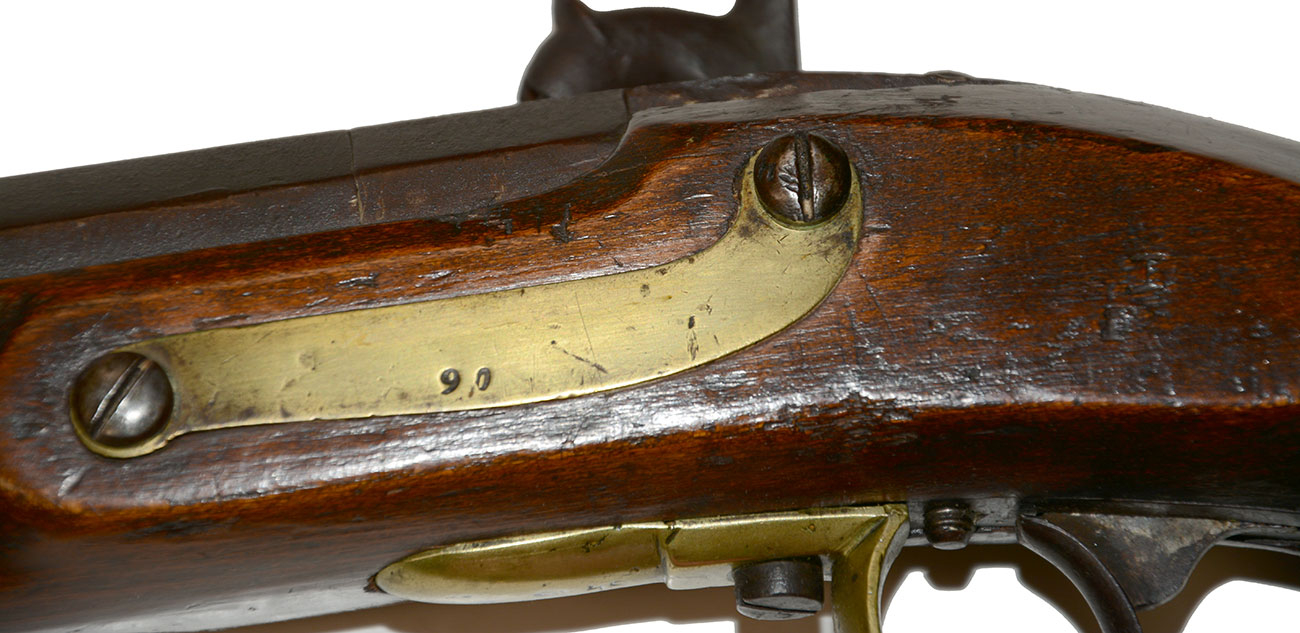
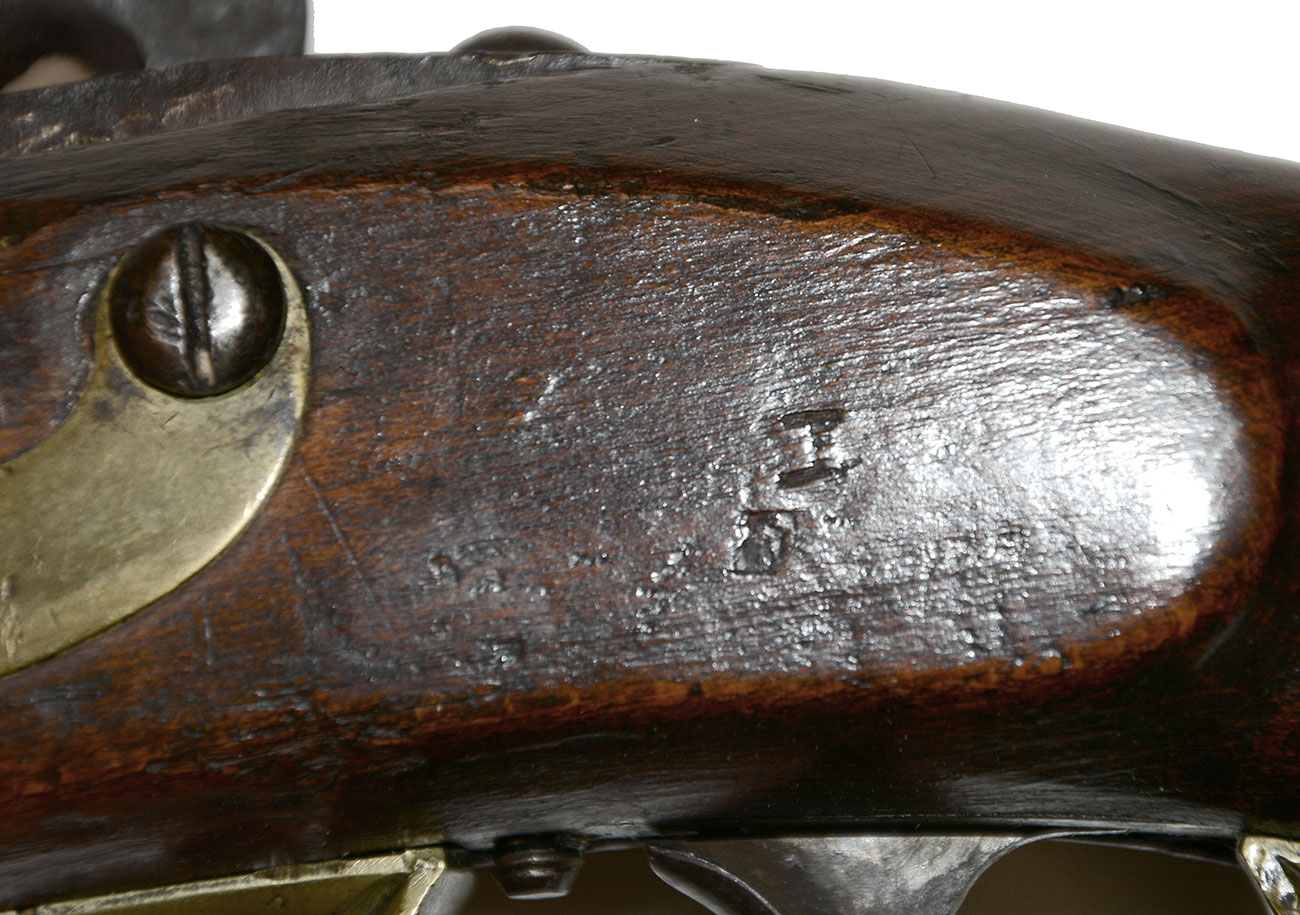
The barrel was converted to percussion by cutting off the breech and adding a new breech plug with a wide-base bolster and nipple attached. Rear sight is notched and has a flip up leaf with three view holes. Bore is in excellent condition and all 12 rifling grooves are sharp. Sling swivels are missing, but the lower mount is present, as is the forward swivel pin – though it is worn and firmly wedged into its channel. The barrel band is stamped “90”- as is the side plate – while the trigger guard is stamped “48”. The stock flat opposite the lock is stamped with an “I” and “F”.
Lock is unmarked excepting a small Austrian coat of arms at rear and the hammer screw is a replacement – though it is possibly a period replacement as it matches the rifle’s finish and shows genuine age. Mechanics work well and the hammer holds securely at both half cock and full.
These rifles saw extensive service during the war, with the largest numbers finding their way to US troops in the Western Theatre. It is an overlooked, unorthodox - but essential - weapon for the representative Civil War collection. [cm][ph:L]
DISCLAIMER: All firearms are sold as collector's items only - we do not accept responsibility as to the shooting safety or reliability of any antique firearm. All firearms are described as accurately as possible, given the restraints of a catalog listing length. We want satisfied customers & often "under" describe the weapons. Any city or state regulations regarding owning antique firearms are the responsibility of the purchaser. All firearms are "mechanically perfect" unless noted, but again, are NOT warranted as safe to fire!
~~~~~~~~~~~~~~~~~~~~~~~~~~~~~~~~~~~
THIS ITEM, AS WITH ALL OTHER ITEMS AVAILABLE ON OUR WEB SITE,
MAY BE PURCHASED THROUGH OUR LAYAWAY PROGRAM.
CLICK HERE FOR OUR POLICIES AND TERMS.
THANK YOU!
Inquire About AUSTRIAN MODEL 1849 RIFLE – THE “GARIBALDI RIFLE”
Most Popular
Historical Firearms Stolen From The National Civil War Museum In Harrisburg, Pa »
Theft From Gravesite Of Gen. John Reynolds »
Selection Of Unframed Prints By Don Troiani »
Fine Condition Brass Infantry Bugle Insignia »
Rare Identified 65Th Ny Sergeant’s Jacket, With Manscript Material: 1St U.s. Chasseurs »
featured item
FINE ITALIAN SNAPHAUNCE BELT PISTOL CA. 1675
The snaphaunce is one of the earlier forms of flint and steel ignition and was introduced in the mid-16th century. It remained in use in Northern Italy into the mid-18th century giving it a particularly long period of use. Ornate pistols such as… (2026-657). Learn More »
site search