


site search
online catalog
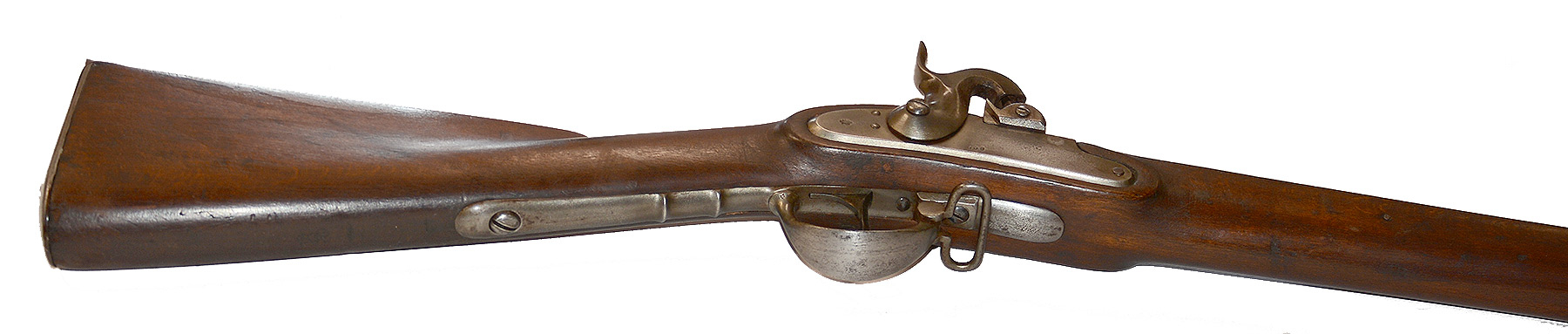
US IMPORTED AND ALTERED AUSTRIAN MODEL 1842 "MUSTER" MUSKET

Hover to zoom

$1,795.00
Quantity Available: 1
Item Code: 2026-879
Shipping: Determined by Method & Location of buyer
To Order:
Call 717-334-0347,
Fax 717-334-5016, or E-mail
These smooth bore muskets are known to have been imported by the North and by the South during the American Civil War. One of these known to this compiler was issued to the 13th Tennessee Infantry CSA and carried at Belmont and Shiloh. At least 25,000 of the muskets were purchased by the U.S. Ordnance Department during the Civil War. These muskets were originally made using the “tube lock” mechanism, essentially a very distinct percussion conversion of a flintlock gun. They were soon considered obsolete in the Austrians of the former Holy Roman Empire (Which was never holy, Roman or an Empire).
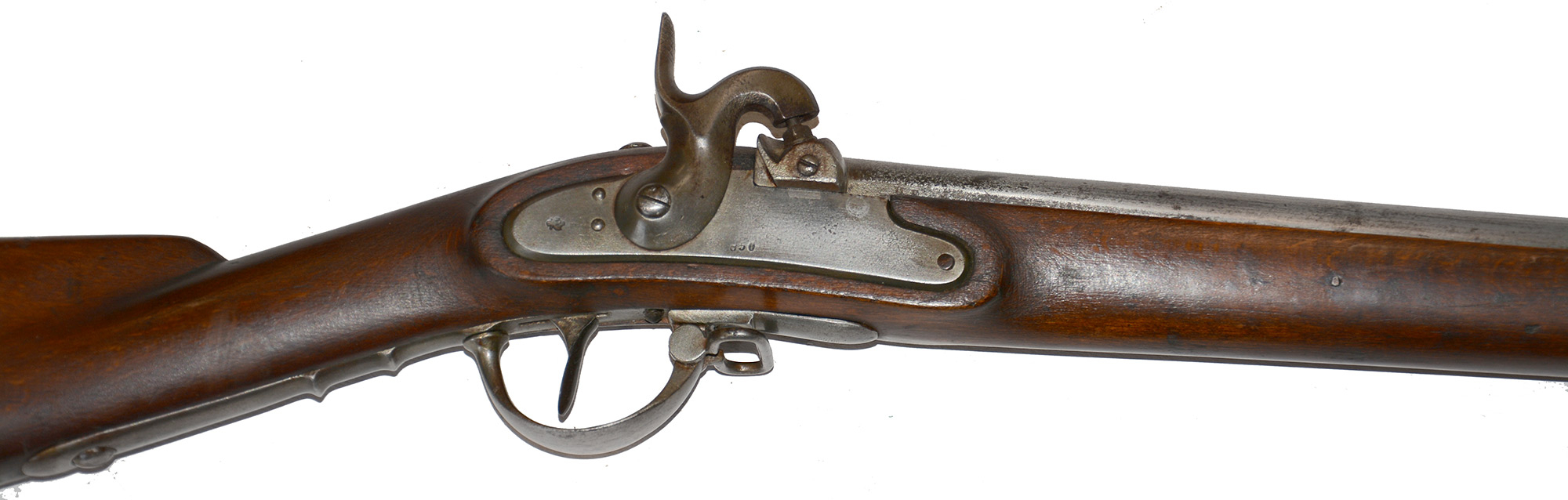
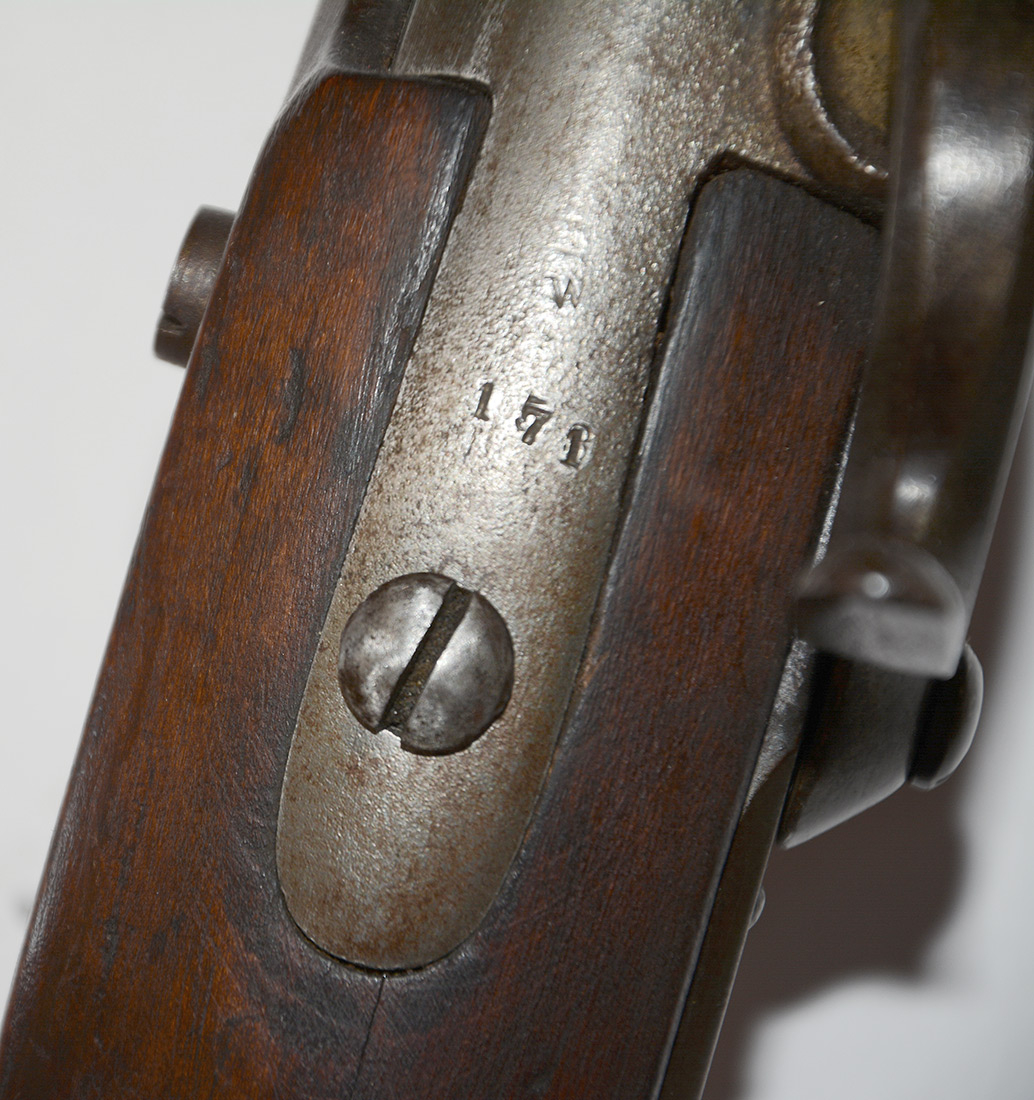
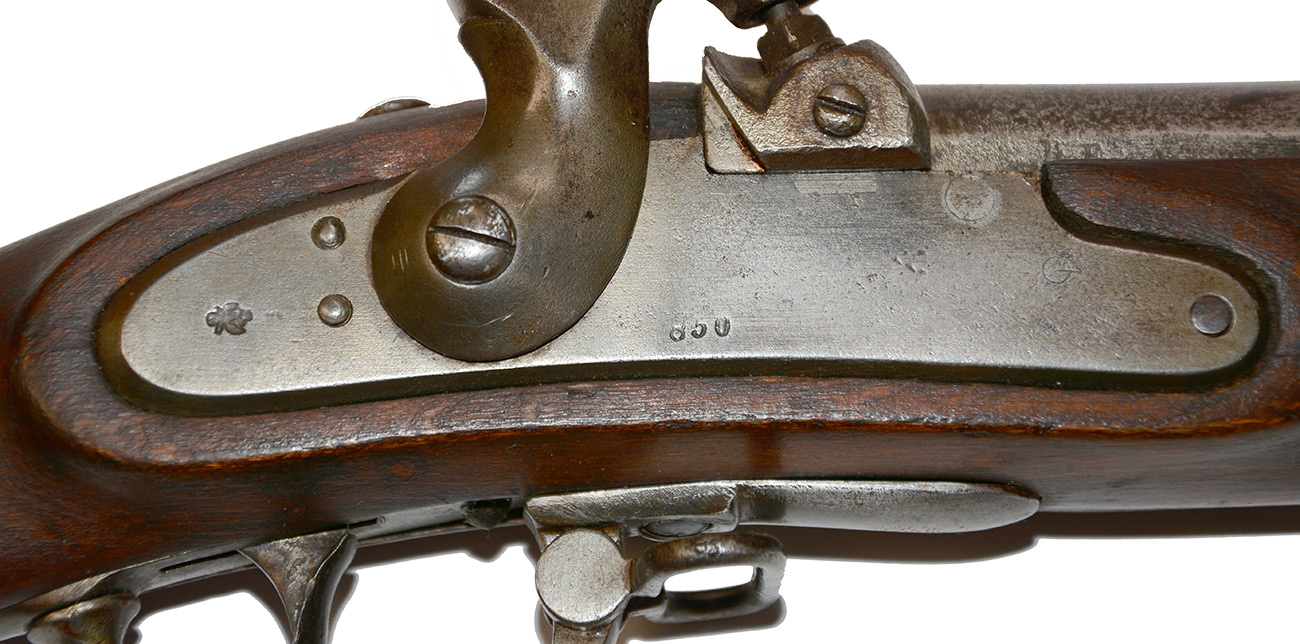
The American Civil War created demand for even what was considered old technology, and the Austrians were happy to be paid for their old stock with the newer Model 1862 Lorenzes on the horizon. Typically, before being exported the Model 1842s were converted from the tube-lock system to percussion system; this was done in Austria and in many instances Belgium. Additionally, many were rifled. The rarer example we are offering has the "Leman" 2-piece style conversion. It is one of the approximately 8,000 "Muster" 1842s that were transformed by Henry Leman. For the conversion, H. Leman of Lancaster PA used breech plugs with cap bolsters and cleanouts already installed. The barrel would have the last 1 3/8" cut off, and the new breech plug installed. The cock is not typical of Leman's casting and may be of Austrian or Belgic origin. This weapon was issued to a Union infantryman.
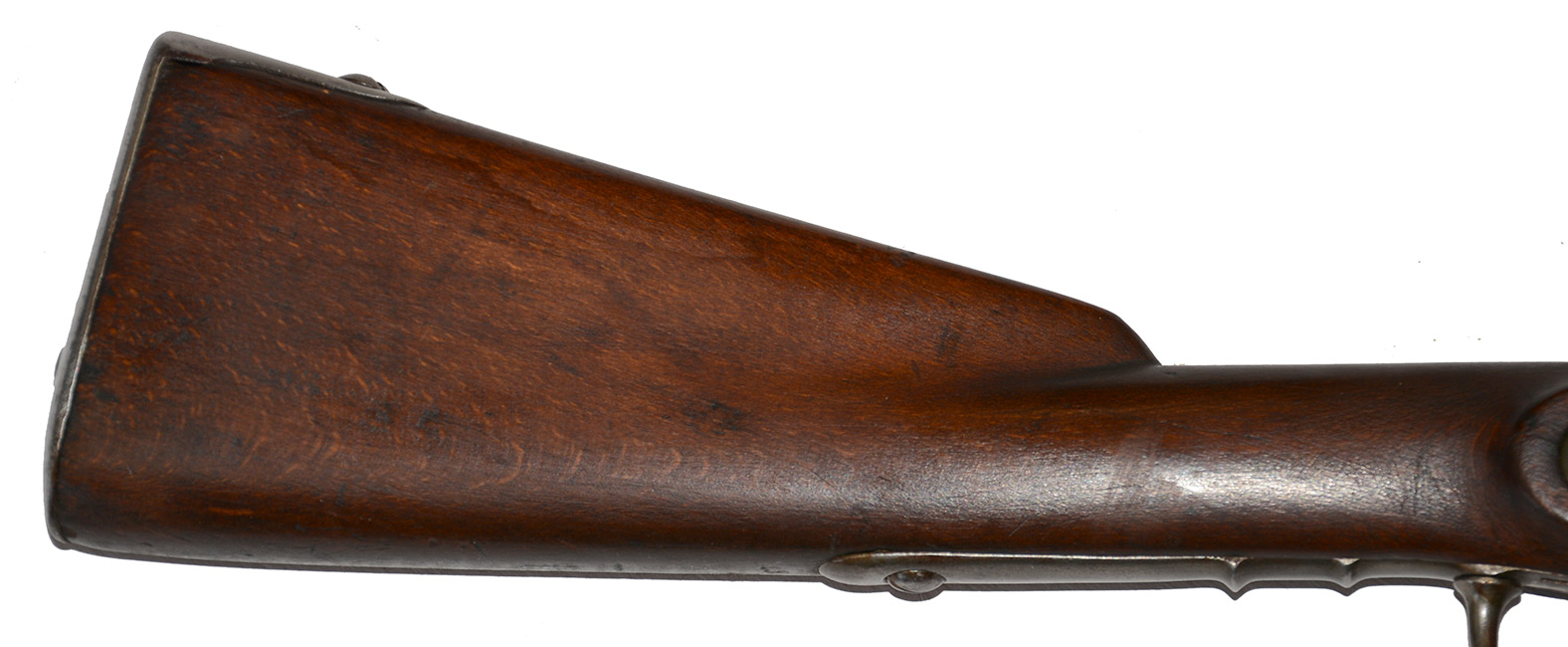
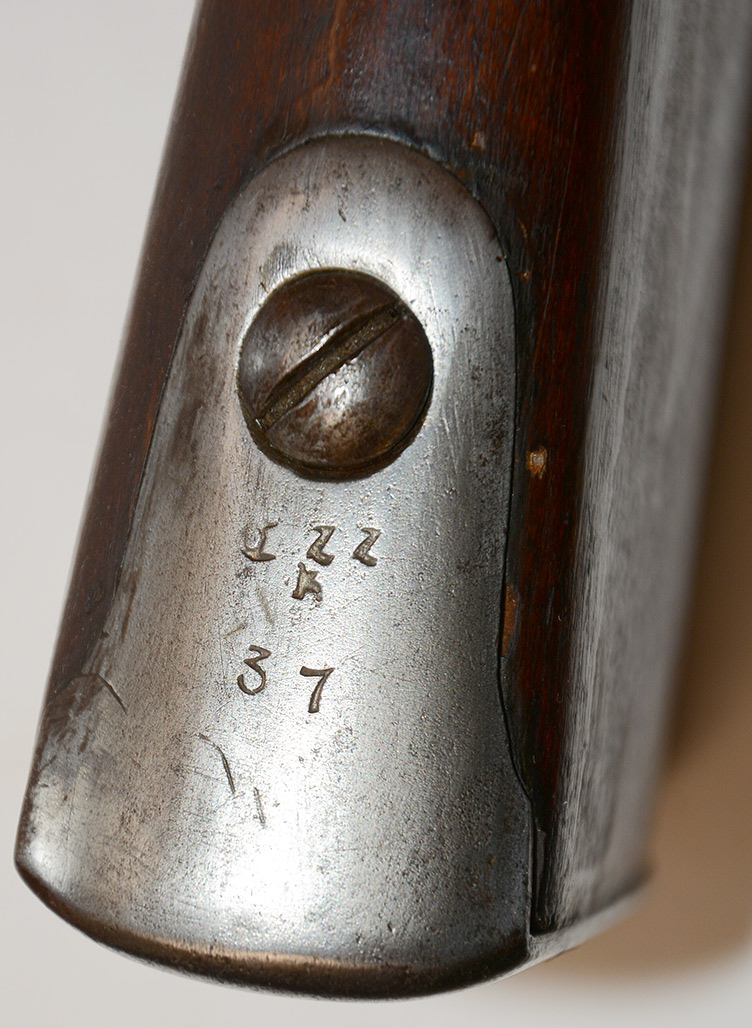
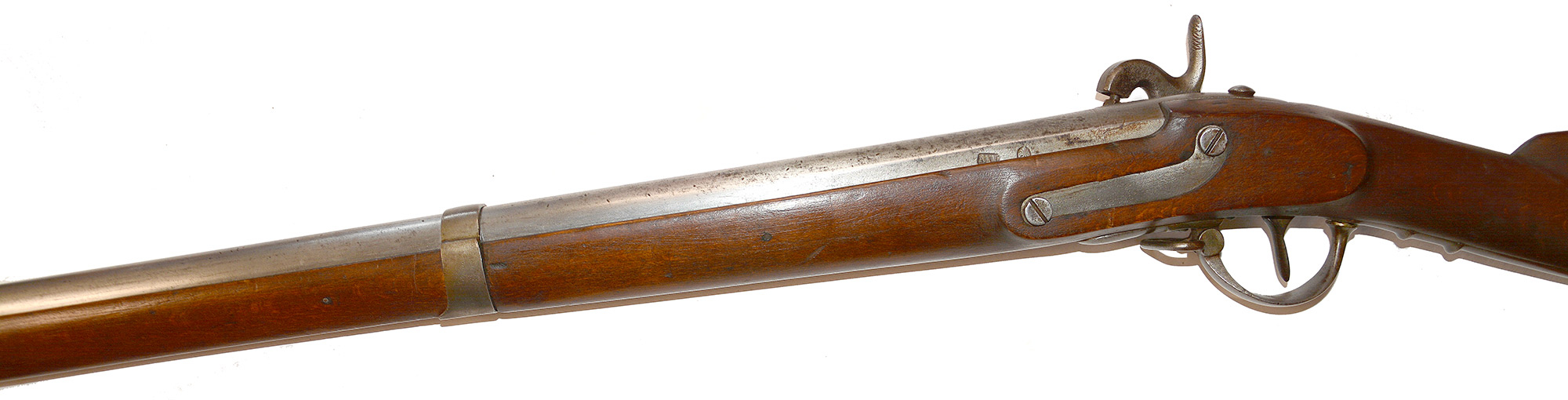
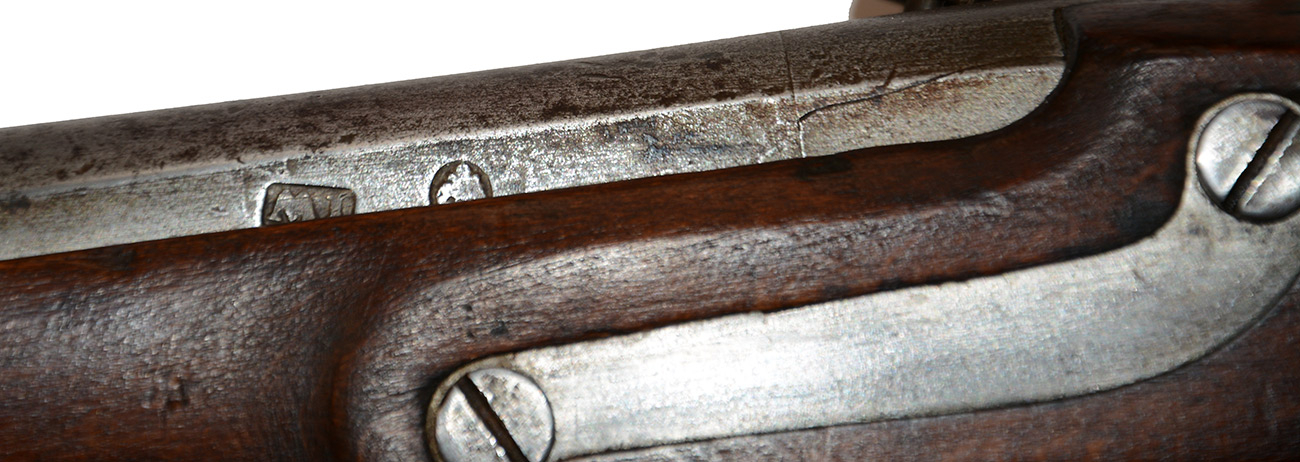
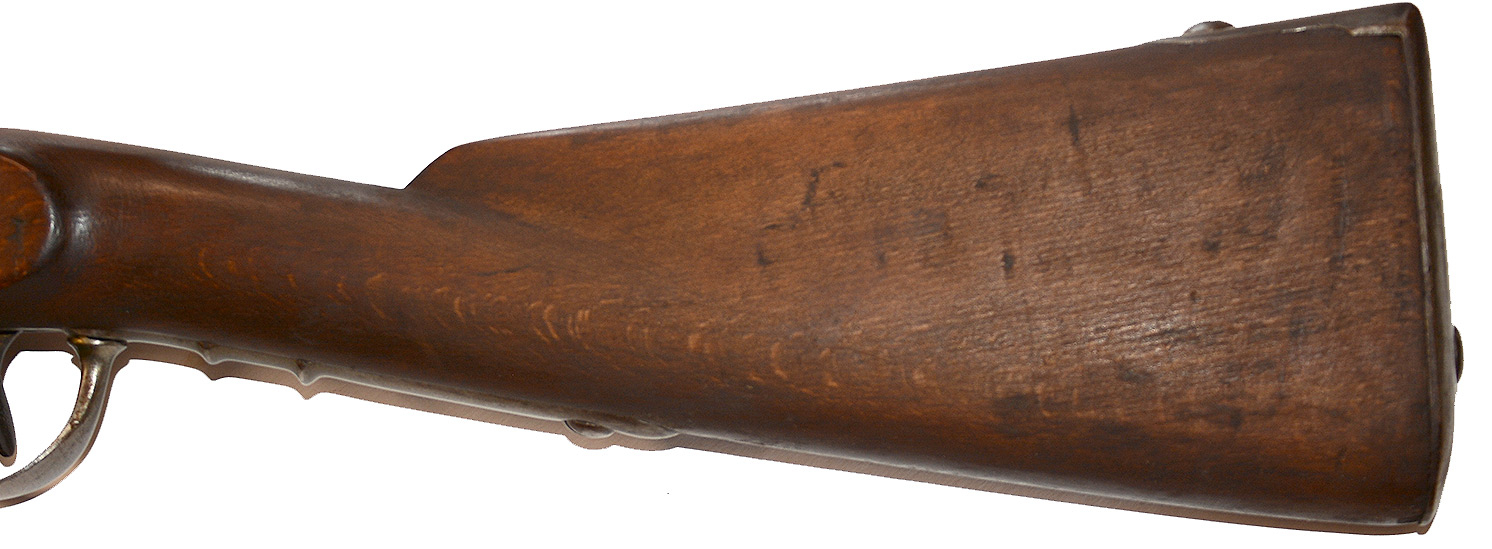
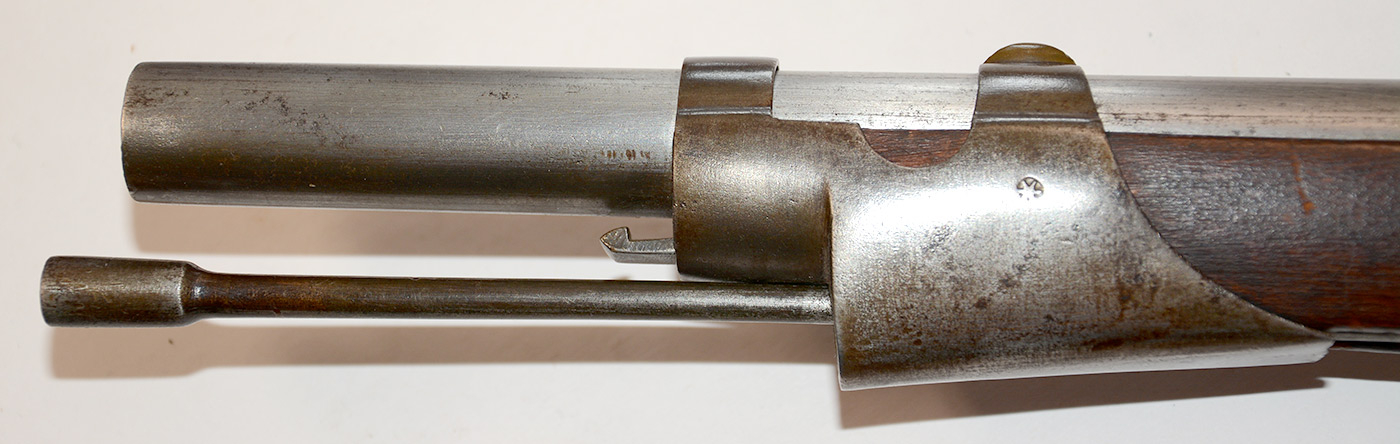
This fine longarm is in.70 caliber smooth bore. It measures a total length of 57½ inches with a 42½ inch long barrel. The iron lock plate surface has been cleaned and bears a light gray sheen. It has very light, scattered but minor residual rust pitting. The lock plate exhibits the crowned eagle and the date of "850" (1850) is visible. The barrel is secured to stock by three bands with the upper band a double-strapped type with the integral front sight. The middle band is friction held. The other 2 bands are secured by springs that flat on the bottom matching the flattened for end of the stock. The two swivels are attached to the trigger guard and to the middle band. A spring catch or spoon extends 1/2 inch from the front barrel band that held the bayonet securely. All furniture is of iron and has been lightly cleaned a long time ago and presents a pleasing, light gray coloring. The mechanics are crisp. There is an Iron trigger guard. The butt plate is iron. The attractive stock is beach wood and has been coated lightly with a clear sealant (easily removed); it and bears no visible repairs, cracks or chips. The original iron ramrod is in place. There is a plethora of proofs and numbers all over the metal surfaces, the majority are of Austrian origin but for the "W" over "171" on the breech tang which was stamped by Leman after his conversion. A very fine weapon and the conversion was done by H. Leman, Lancaster, Pennsylvania for the National Army. [pe][ph:L]
DISCLAIMER: All firearms are sold as collector's items only - we do not accept responsibility as to the shooting safety or reliability of any antique firearm. All firearms are described as accurately as possible, given the restraints of a catalog listing length. We want satisfied customers & often "under" describe the weapons. Any city or state regulations regarding owning antique firearms are the responsibility of the purchaser. All firearms are "mechanically perfect" unless noted, but again, are NOT warranted as safe to fire!
~~~~~~~~~~~~~~~~~~~~~~~~~~~~~~~~~~~
THIS ITEM, AS WITH ALL OTHER ITEMS AVAILABLE ON OUR WEB SITE,
MAY BE PURCHASED THROUGH OUR LAYAWAY PROGRAM.
CLICK HERE FOR OUR POLICIES AND TERMS.
THANK YOU!
Inquire About US IMPORTED AND ALTERED AUSTRIAN MODEL 1842 "MUSTER" MUSKET
Most Popular
Historical Firearms Stolen From The National Civil War Museum In Harrisburg, Pa »
Theft From Gravesite Of Gen. John Reynolds »
Selection Of Unframed Prints By Don Troiani »
Fine Condition Brass Infantry Bugle Insignia »
Rare Identified 65Th Ny Sergeant’s Jacket, With Manscript Material: 1St U.s. Chasseurs »
featured item
IDENTIFIED US M1855 TYPE-1 SPRINGFIELD MUSKET: ALBERT WADHAMS CO. I, 11th CONNECTICUT: WOUNDED IN ACTION AT COLD HARBOR
A scarce 1858-dated, regimentally marked and soldier-identified Type-1, Version-1, M1855 Springfield Rifle Musket. For the history and details of this pattern see Moller and, especially, Willyard, “US Model 1855 Series Small Arms.” The M1855 was… (2026-2163). Learn More »
site search