


site search
online catalog
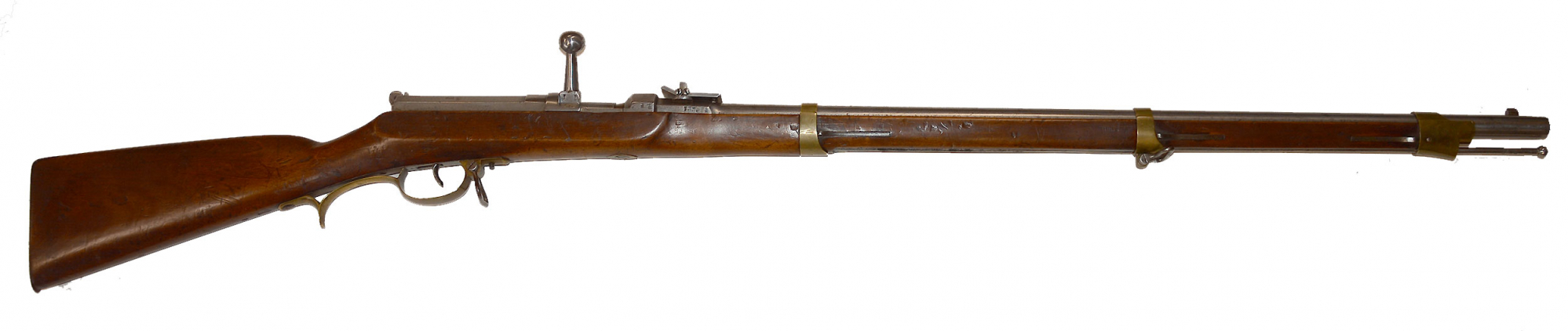
REGIMENTALLY IDENTIFIED PRUSSIAN MODEL 1862 DREYSE NEEDLE FIRE RIFLE
Hover to zoom

$3,995.00
Quantity Available: 1
Item Code: 1284-55
Shipping: Determined by Method & Location of buyer
To Order:
Call 717-334-0347,
Fax 717-334-5016, or E-mail
In 1836 Johann Nikolaus Dreyse revolutionized the world of military firearms by submitting his bolt action “needle rifle” to the Prussian military for testing and trials. Dreyse was certainly on the cutting edge of the firearms business at the time, as the percussion cap was still nearly two decades from somewhat universal, worldwide acceptance. It was at this time that Dreyse started to experiment with self-contained paper cartridges. Dreyse developed a paper cartridge that contained not only the bullet and the powder, but also the percussion cap, which was situated at the bottom of the bullet, forward of the powder charge. Placing the cap in that location allowed the base of the bullet to act as the anvil upon which the cap could be detonated when it was struck. Dreyse also developed a long, needle-like pin that was tensioned by a coil spring and was effectively the first widely produced firing pin design. In 1841 the new infantry rifle was designated the “Light Percussion Rifle M1841” was meant to conceal the revolutionary nature of the new firearm, but by 1855 the term "Needle Gun" was in general use within the Prussian military. The rifle was a 15.4mm (about .61 caliber), single shot, bolt-action breechloader that looked rather like the previous generations of Prussian muzzleloading flintlock and percussion muskets. The M1862 we are offering retained the 15.4mm caliber, broad 4-groove rifling and the needle fire bolt-action system but was produced with improved tolerances in an attempt to limit leakage and improve interchangeability. The new rifle also had a slightly shorter, 32 ½ inch barrel and the “short butt variant” was only 52 ¾ inches in overall length. The Prussians used the Zündnadelgewehr with devastating effectiveness against the Austrian infantry during the Austro-Prussian War of 1866, where observers commented on the fact that a prone Prussian infantryman could fire 5 rounds in the time it took a standing Austrian infantryman to load his rifle one time. During the Franco-Prussian War the weapon dealt devastating fire but was outperformed by the French Model 1866 Chassepot.
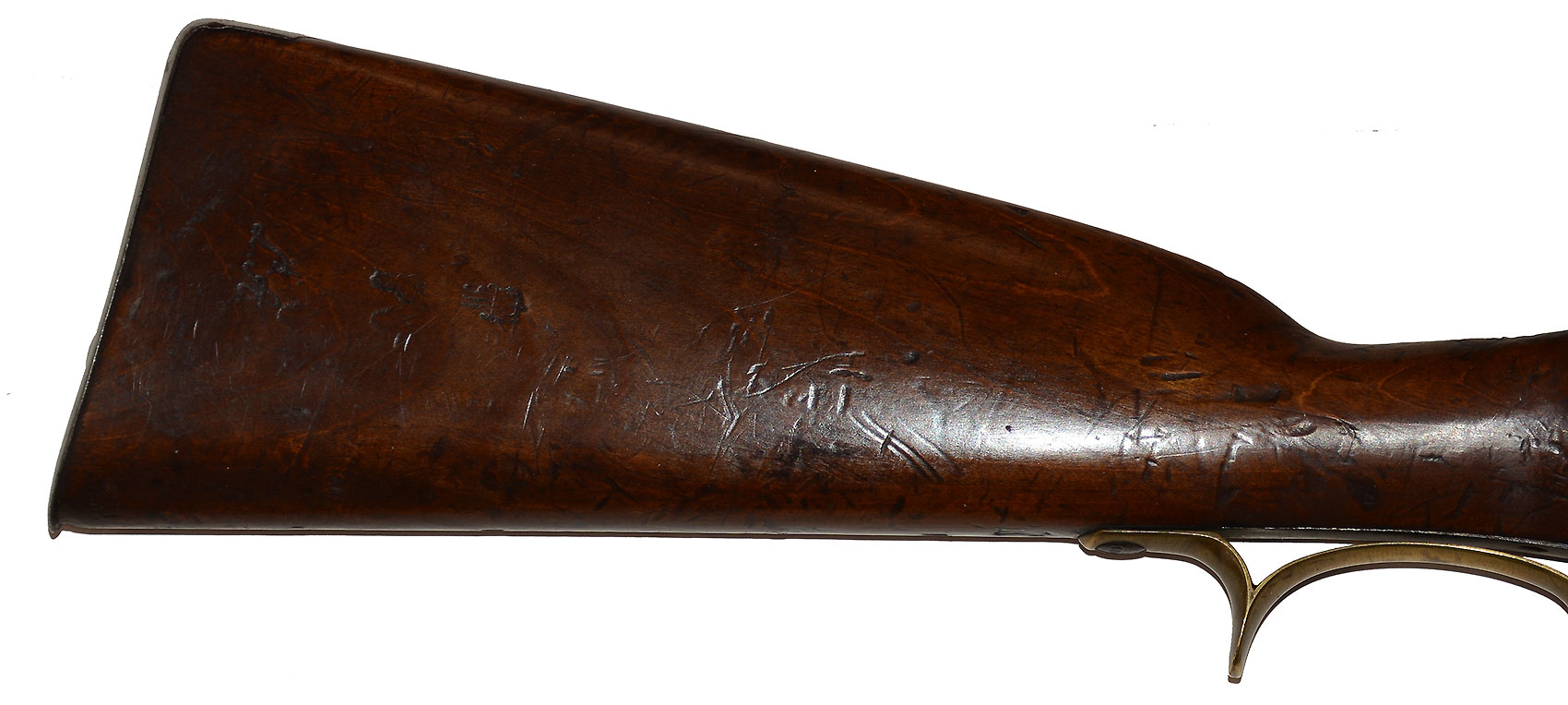
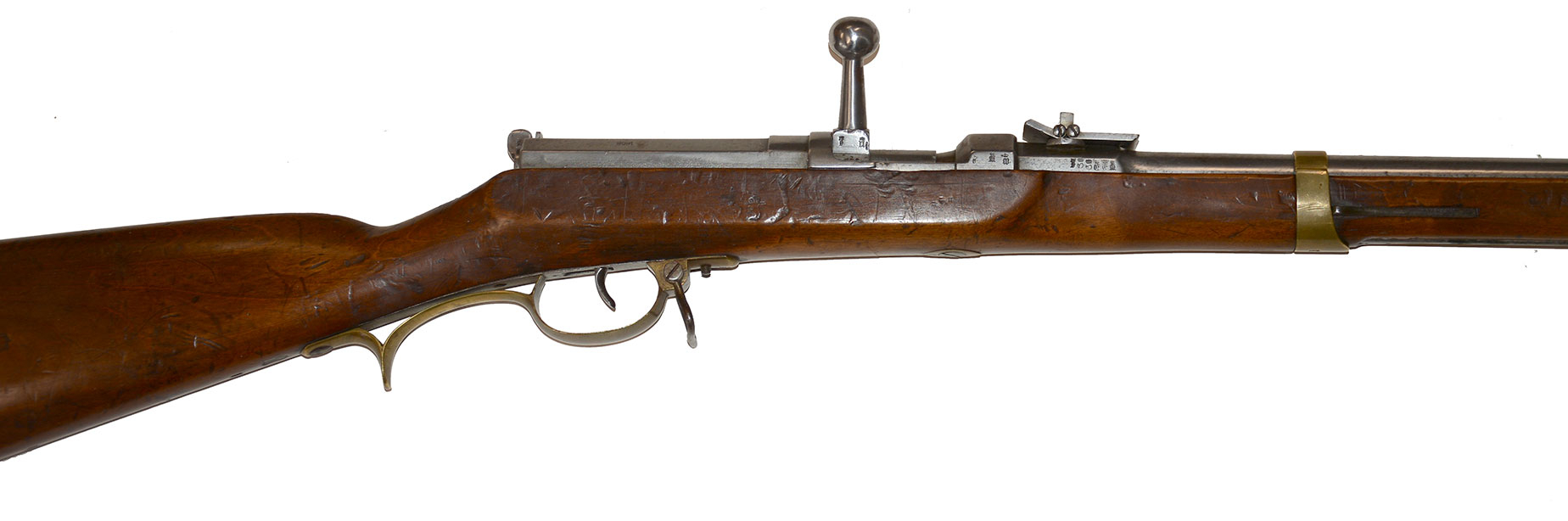
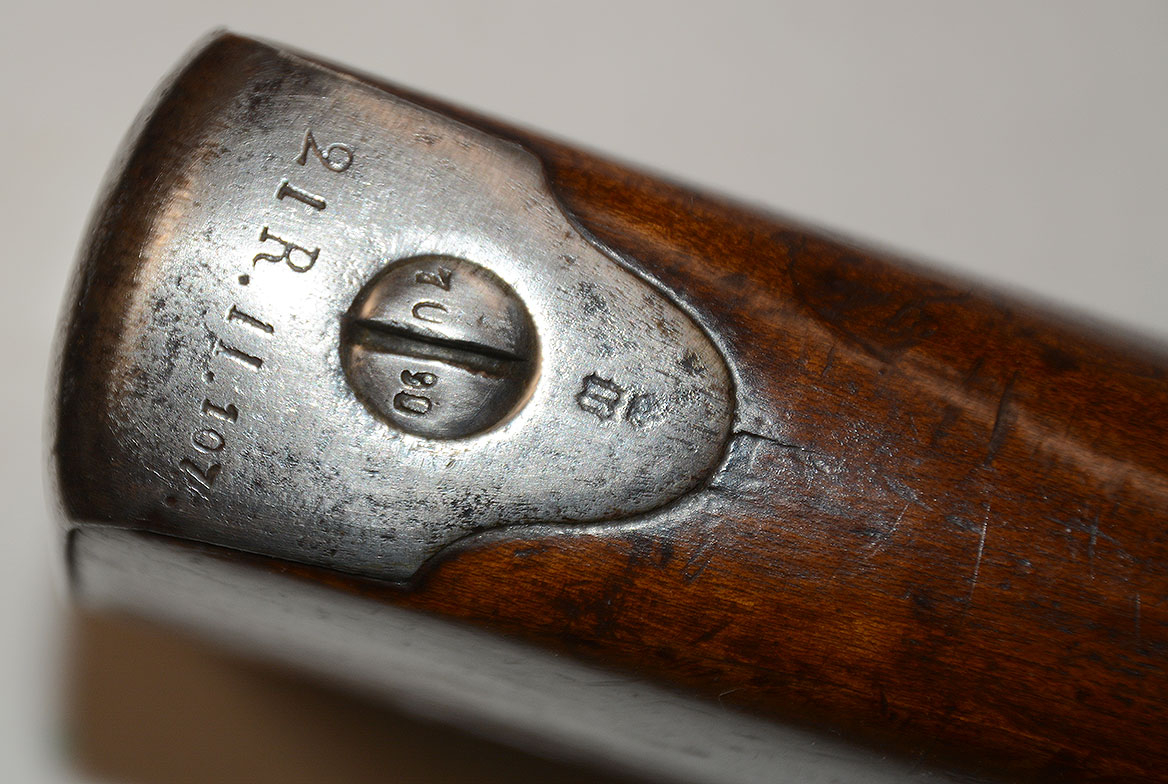
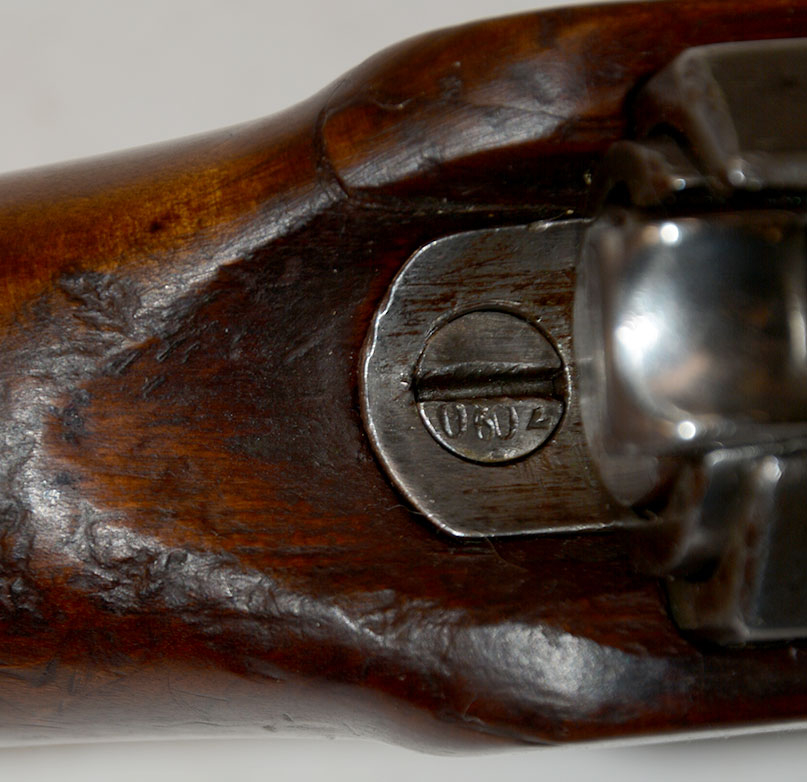
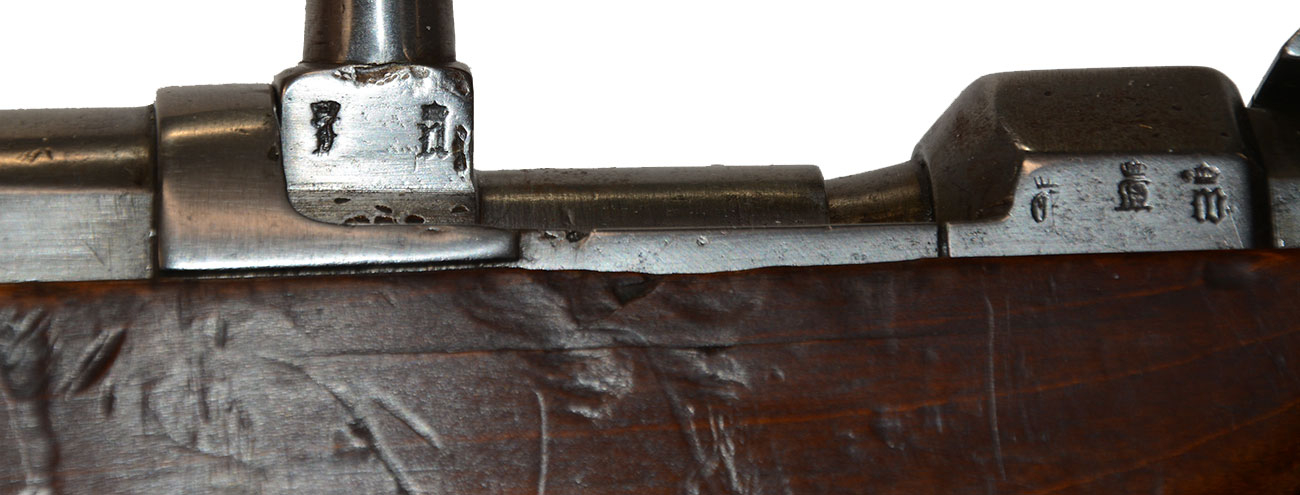
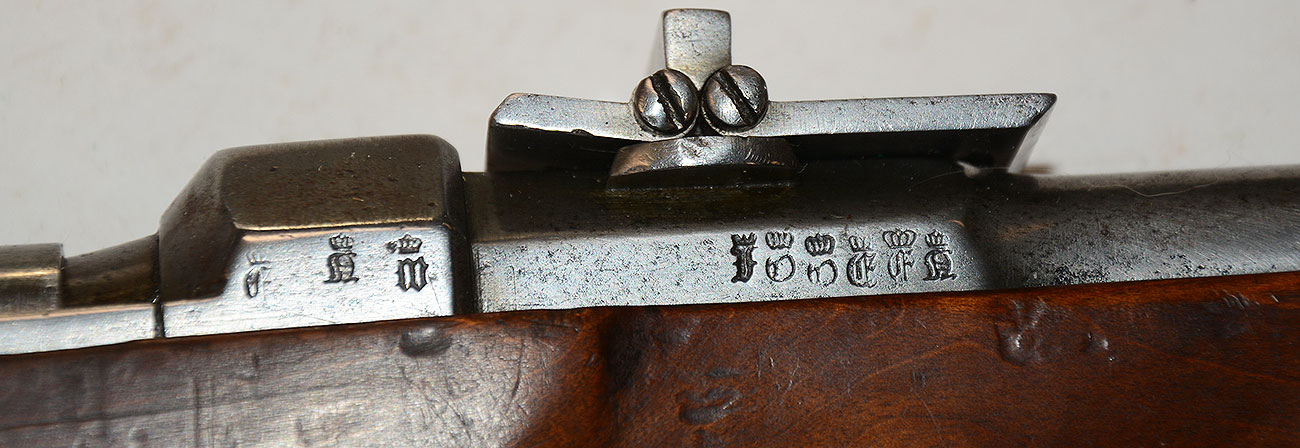
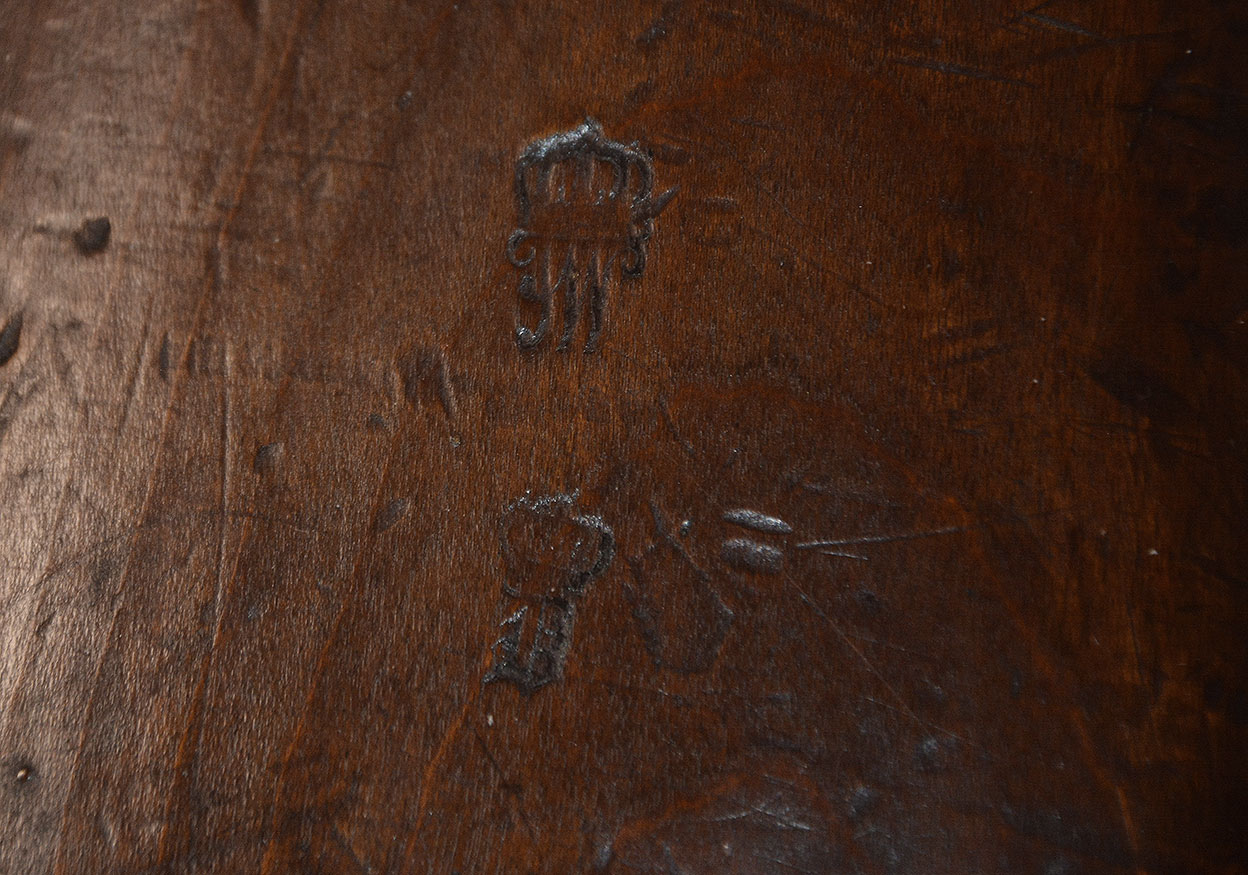
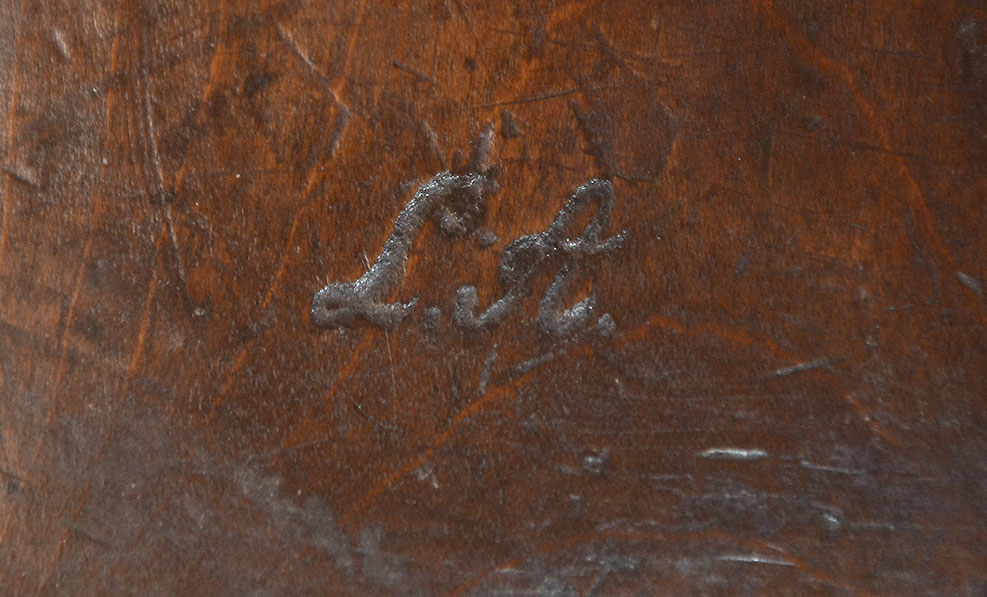
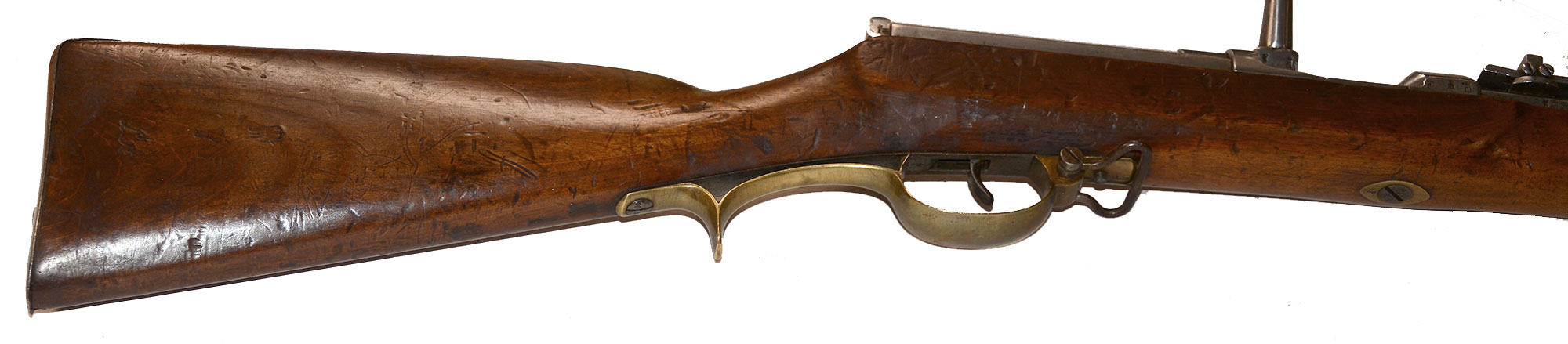
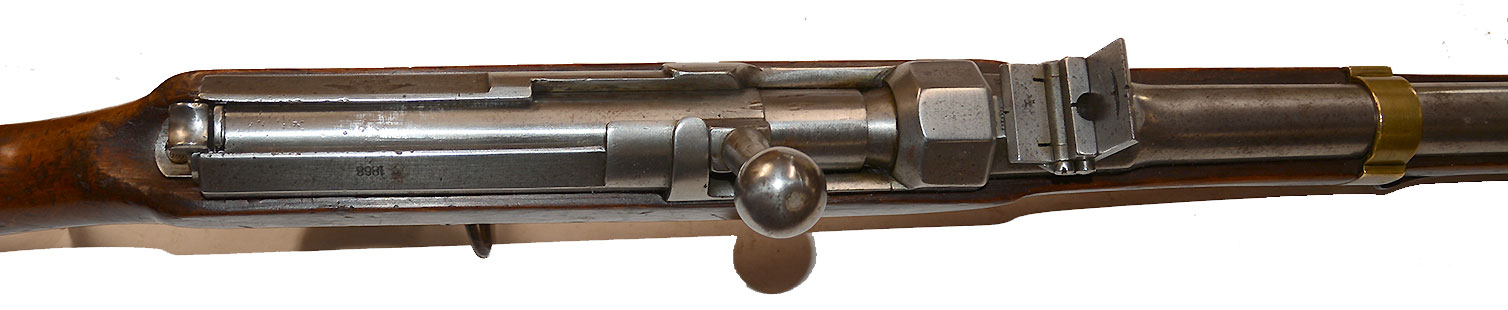
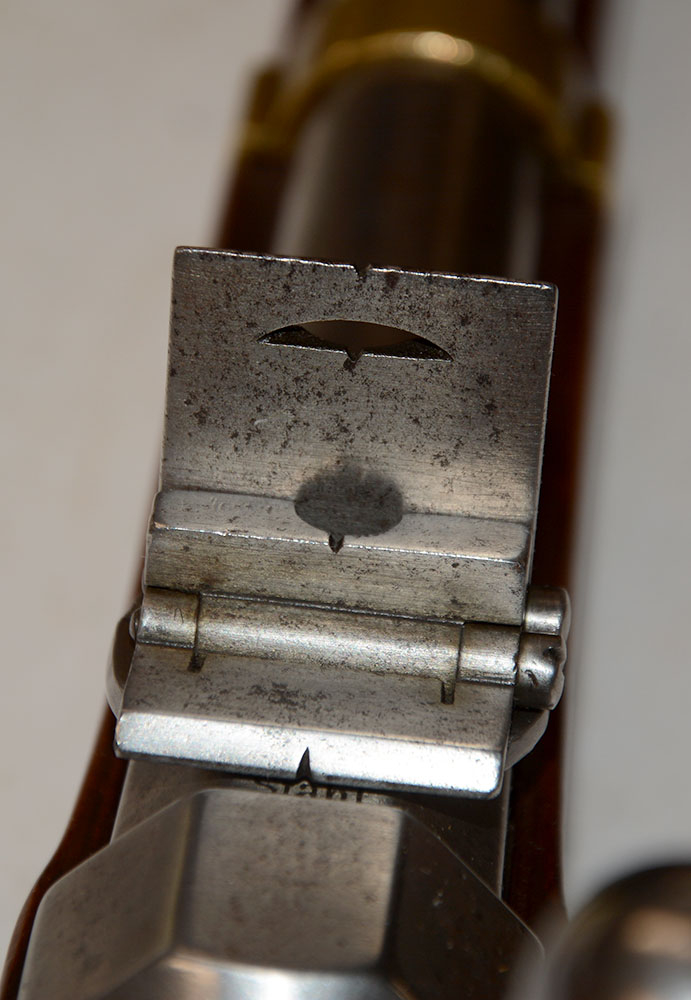
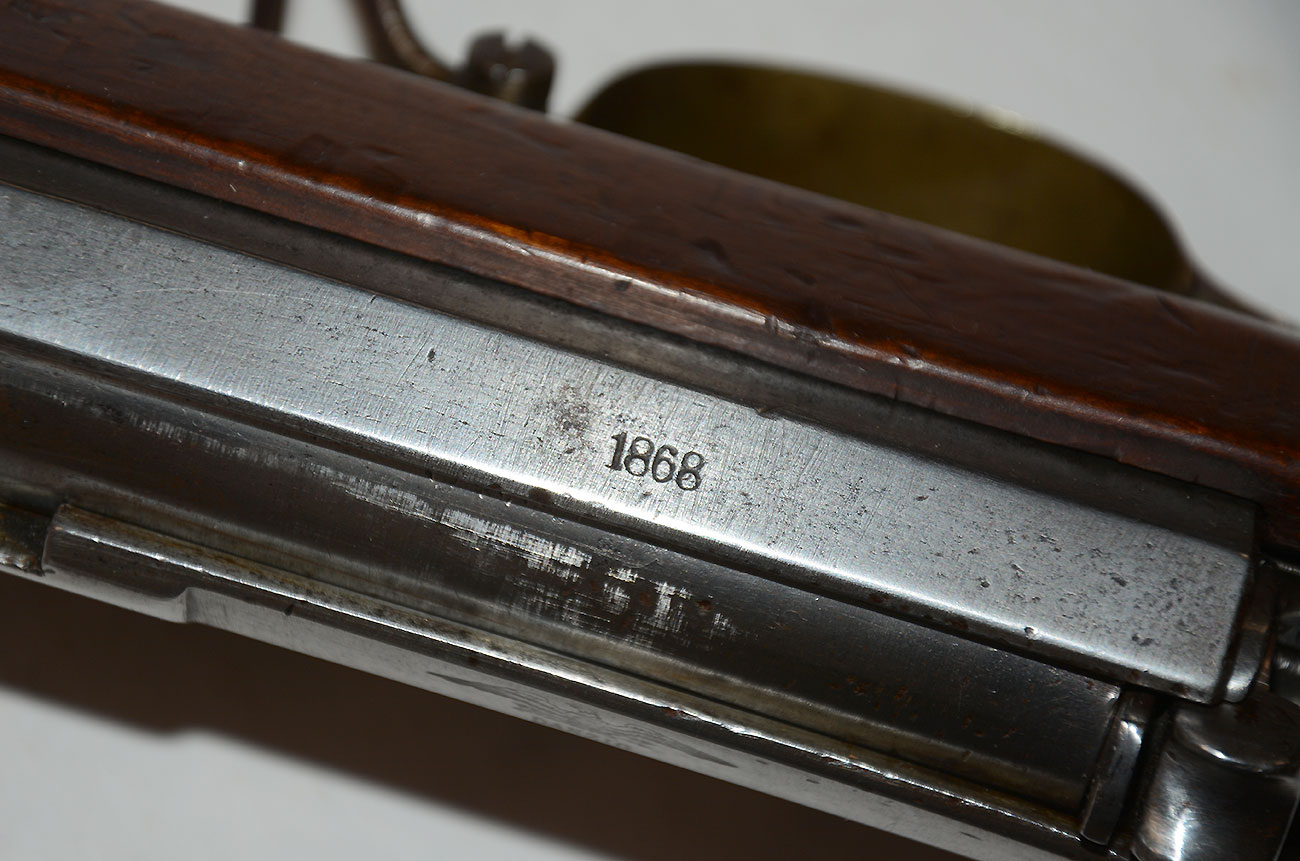
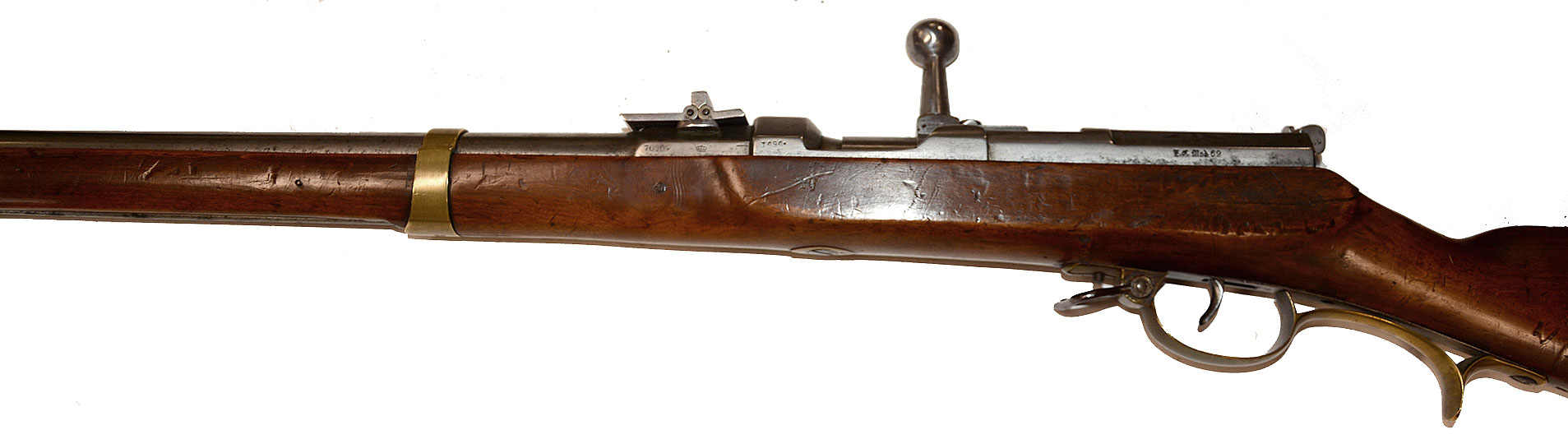
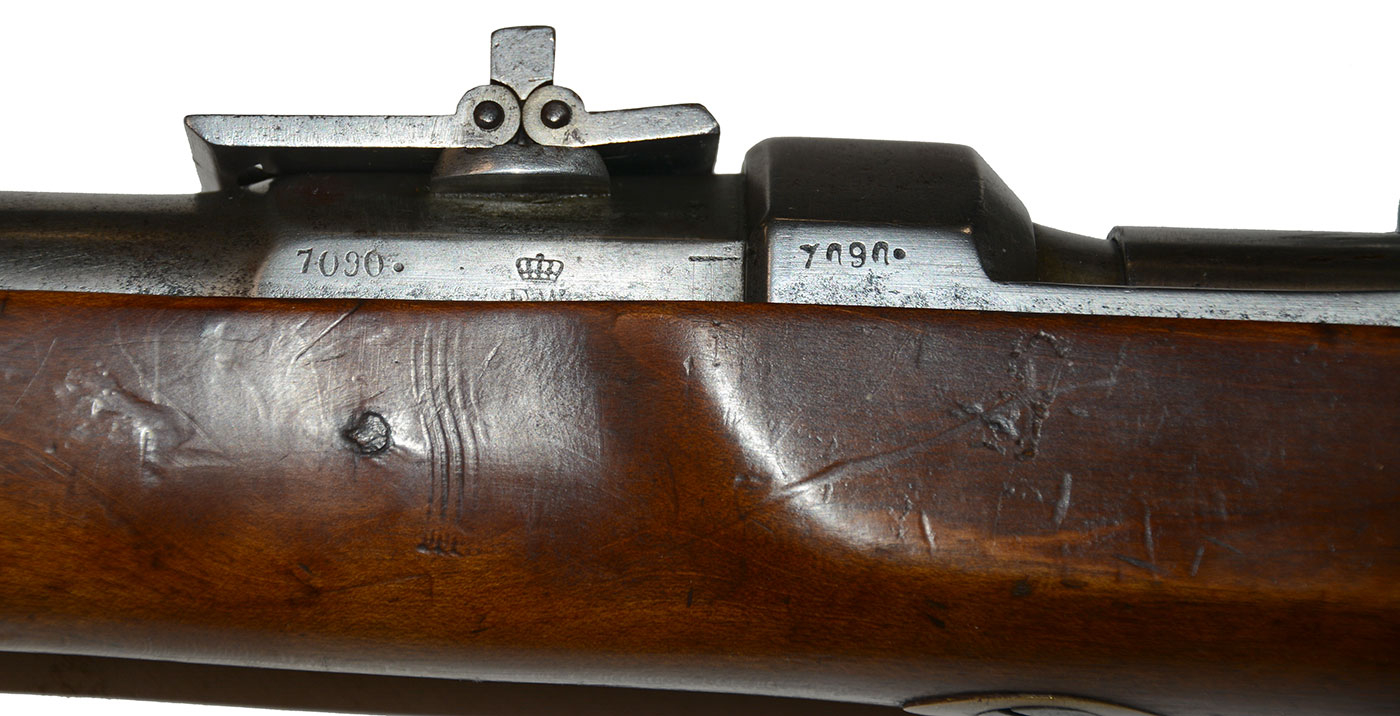
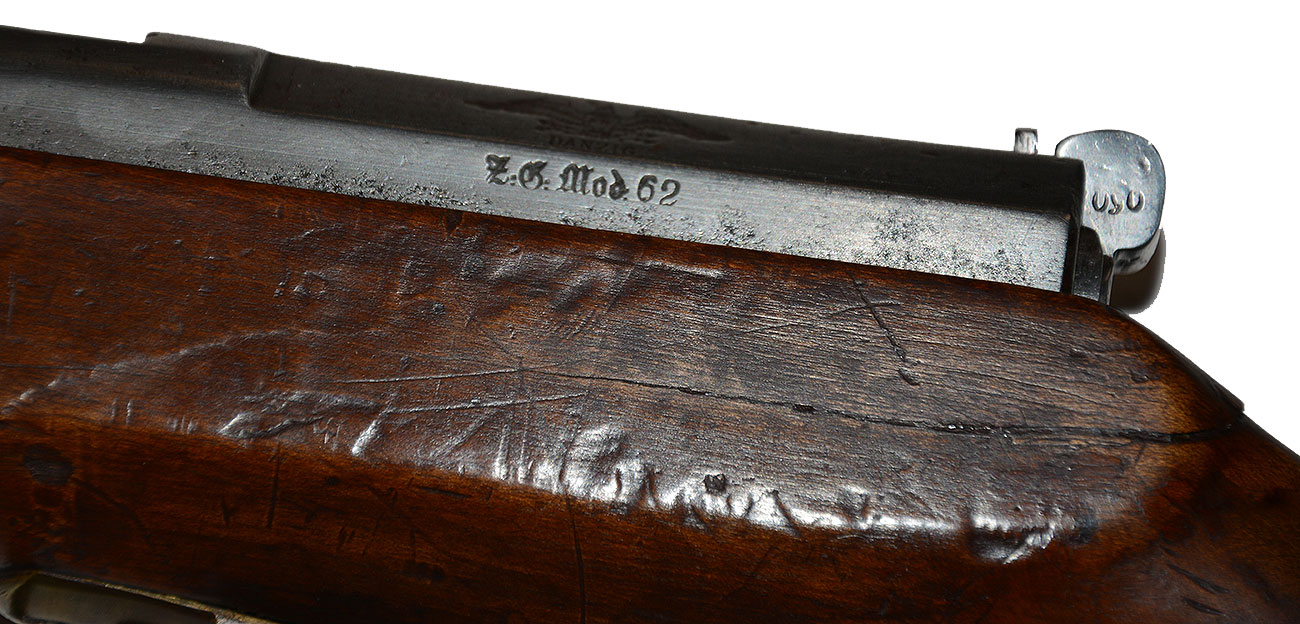
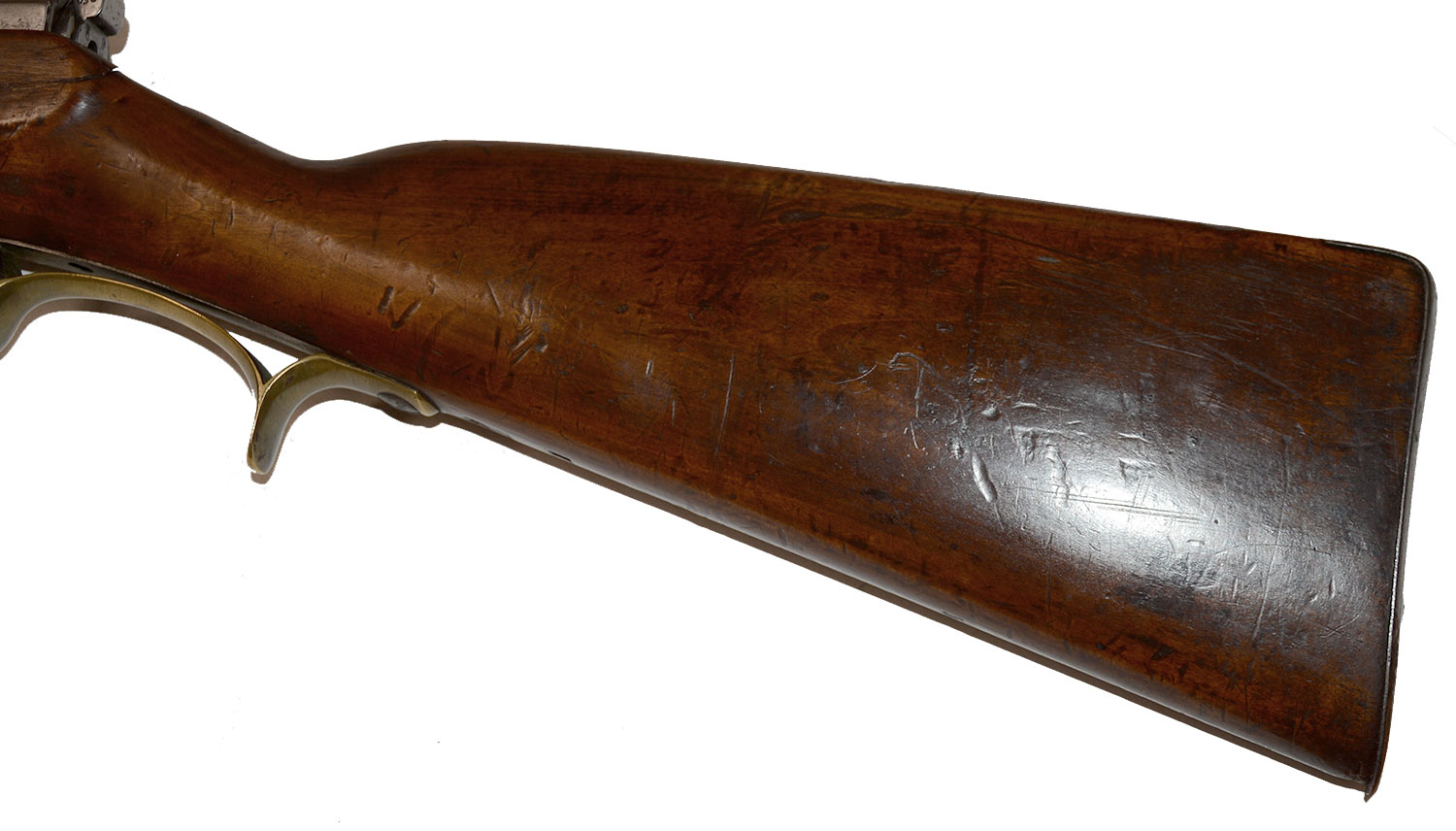
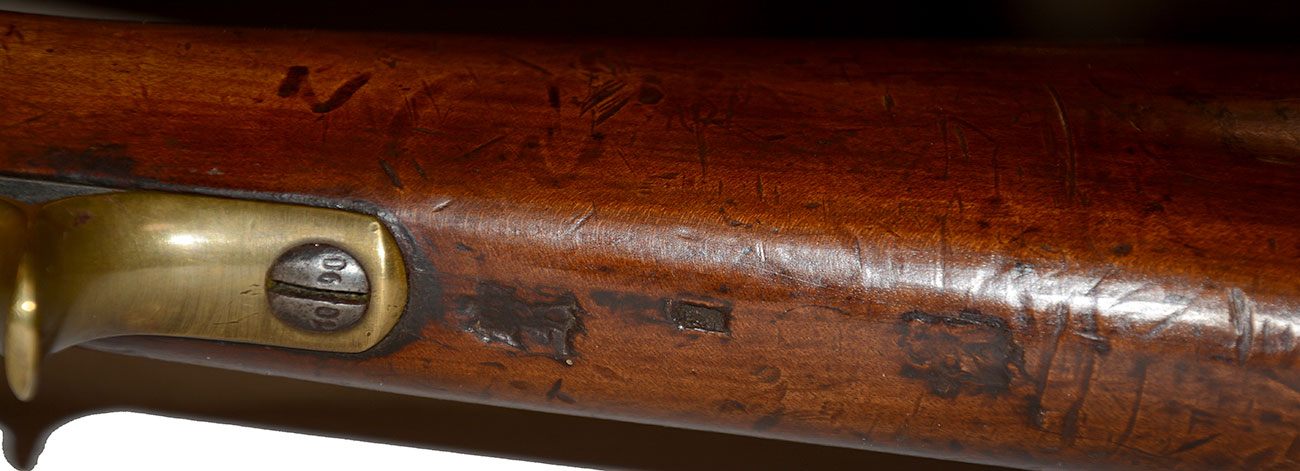
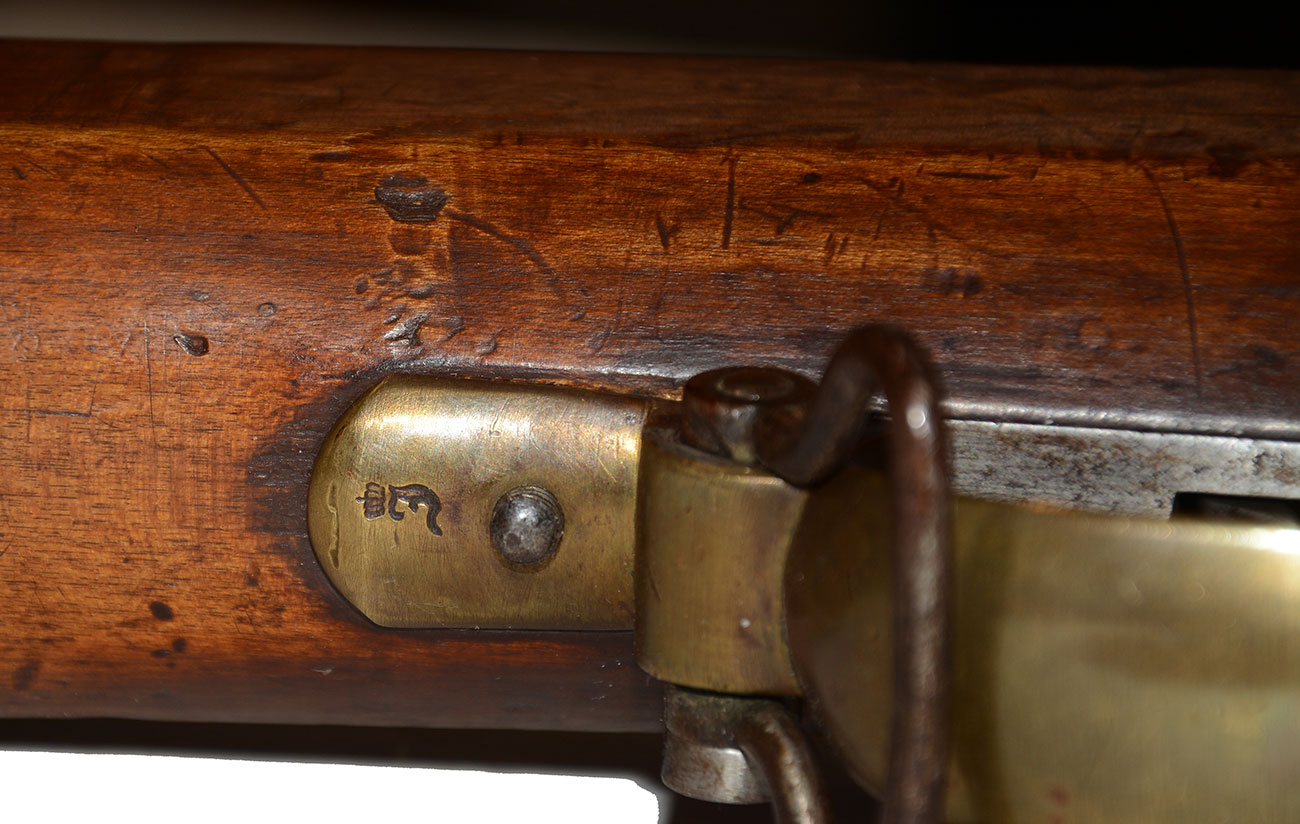
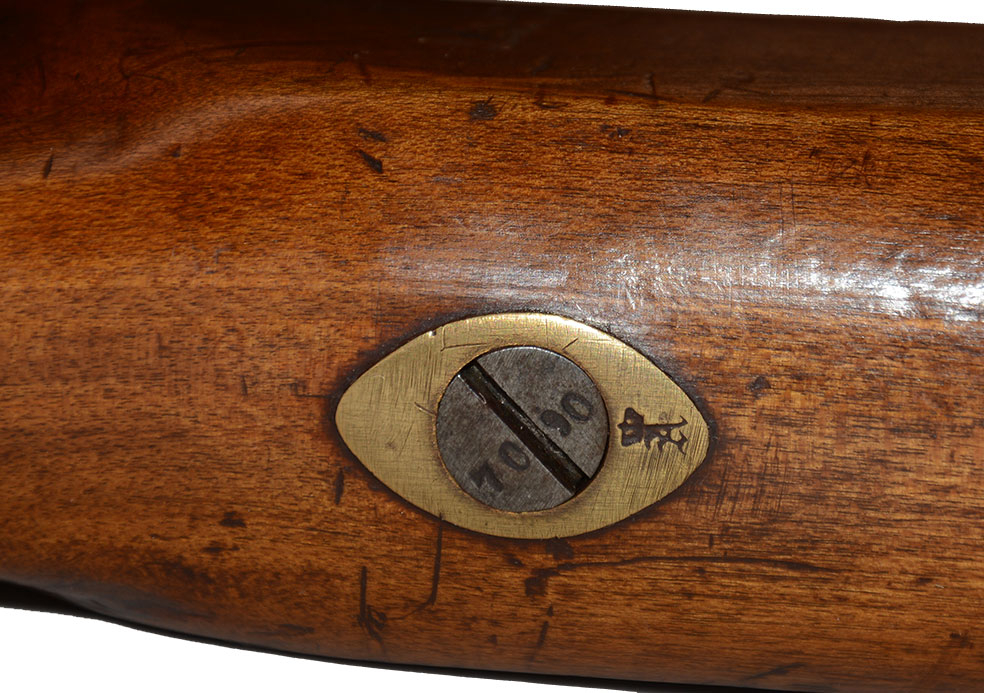
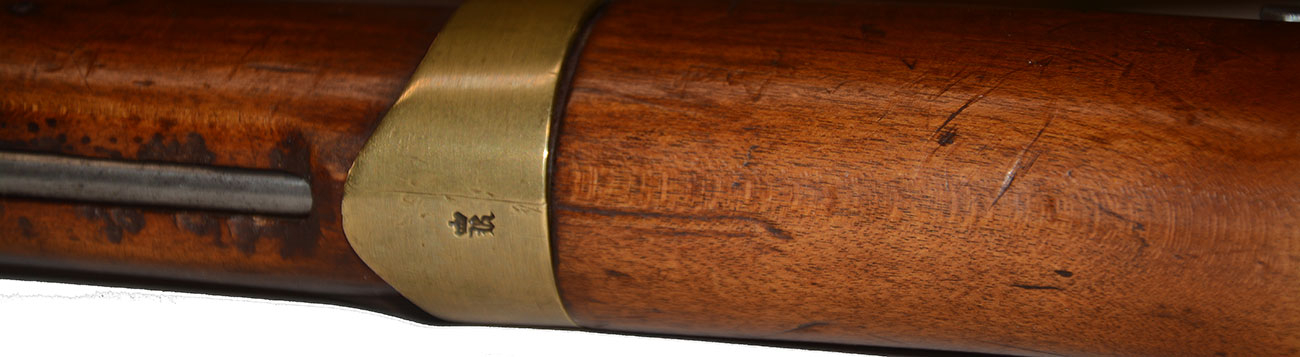
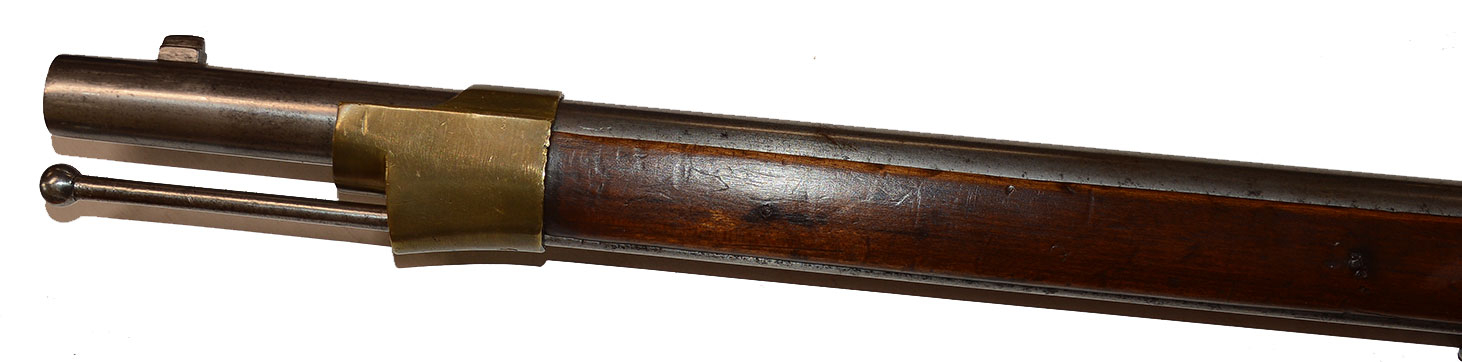
Offered here is a great example of a Model 1862 Needle Rifle. The rifle remains in very fine overall condition and is all complete with all matching serial numbers including the bolt and the "needle" is intact. The rifle was manufactured at the Prussian national arsenal at Danzig. On the left flat, below the arsenal mark is the mode "B.G. MOD 62" in Germanic script. The upper angled receiver flat on the right side is marked with the year of manufacture "1868". The rifle is serial number "7090", and the full serial number is present on the left forward portion of the receiver and on the left reward portion of the barrel where it meets the receiver. The brass furniture bears Prussian inspection marks. The top of the iron butt plate is unit stamped: "21 R. 11.107. Which translates to the 21st Regiment. 11th Company. 107th man. The 21st Regiment aka the 4th Pomeranian regiment was engaged in several battles against the French 1870-71. Prussian inspection and proof marks are clearly stamped on the right side of the receiver and barrel. Numerous inspection marks are present in the stock as well. The metal of the rifle remains almost entirely smooth, with only some very lightly scattered minor pinpricking here and there along the length of the barrel and around the receiver. Some more moderate pinpricking is present around the hexagonal chamber of the receiver, at the muzzle and on the butt plate which also shows a moderately oxidized brown patina. The bore of the rifle is in fine condition with crisp four-groove rifling. There is only some lightly scattered oxidation and discoloration along the length of bore, along with some minor light pitting and some frosting in the grooves. The bolt action mechanism functions correctly, as does the cocking mechanism. The full long needle is intact. The rifle retains its original rear sight with the fixed block, small folding leaf, and long range adjustable folding leaf. The original cleaning rod is present. Both original sling swivels are in place. The stock of the rifle is in fine overall condition. Some surface scuffs are present on the wood as well, but the edge remains strong and relatively sharps. As would be expected, the stock shows the usual assortment of scattered bumps, dings, scuffs, and surface mars that any combat carried rifle would have. Overall, the rifle remains in extremely fine condition and is a wonderful example of the type of arms carried by front-line Germanic states infantryman during the Franco-Prussian War. The rifle is nicely marked on the butt to a unit that served with great distinction prior to and during the Franco-Prussian War. [pe][ph:L]
DISCLAIMER: All firearms are sold as collector's items only - we do not accept responsibility as to the shooting safety or reliability of any antique firearm. All firearms are described as accurately as possible, given the restraints of a catalog listing length. We want satisfied customers & often "under" describe the weapons. Any city or state regulations regarding owning antique firearms are the responsibility of the purchaser. All firearms are "mechanically perfect" unless noted, but again, are NOT warranted as safe to fire!
~~~~~~~~~~~~~~~~~~~~~~~~~~~~~~~~~~~
THIS ITEM, AS WITH ALL OTHER ITEMS AVAILABLE ON OUR WEB SITE,
MAY BE PURCHASED THROUGH OUR LAYAWAY PROGRAM.
CLICK HERE FOR OUR POLICIES AND TERMS.
THANK YOU!
Inquire About REGIMENTALLY IDENTIFIED PRUSSIAN MODEL 1862 DREYSE NEEDLE FIRE RIFLE
Most Popular
Historical Firearms Stolen From The National Civil War Museum In Harrisburg, Pa »
Theft From Gravesite Of Gen. John Reynolds »
Selection Of Unframed Prints By Don Troiani »
Fine Condition Brass Infantry Bugle Insignia »
Rare Identified 65Th Ny Sergeant’s Jacket, With Manscript Material: 1St U.s. Chasseurs »
featured item
THEFT REPORTED AT AUTUMN GETTYSBURG SHOW
A vendor at the Autumn Gettysburg Civil War show held at the Allstar Events Complex on Oct. 28-29 reported that a Maryland sword belt plate valued at $3500 was stolen from a display case on Sunday afternoon. The Gettysburg Times published a… . Learn More »
site search