
site search
online catalog
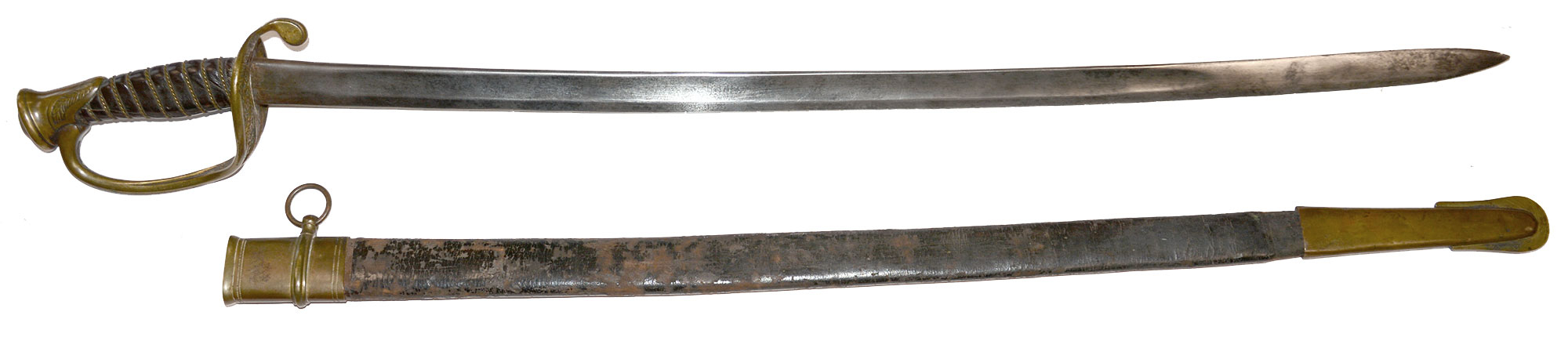
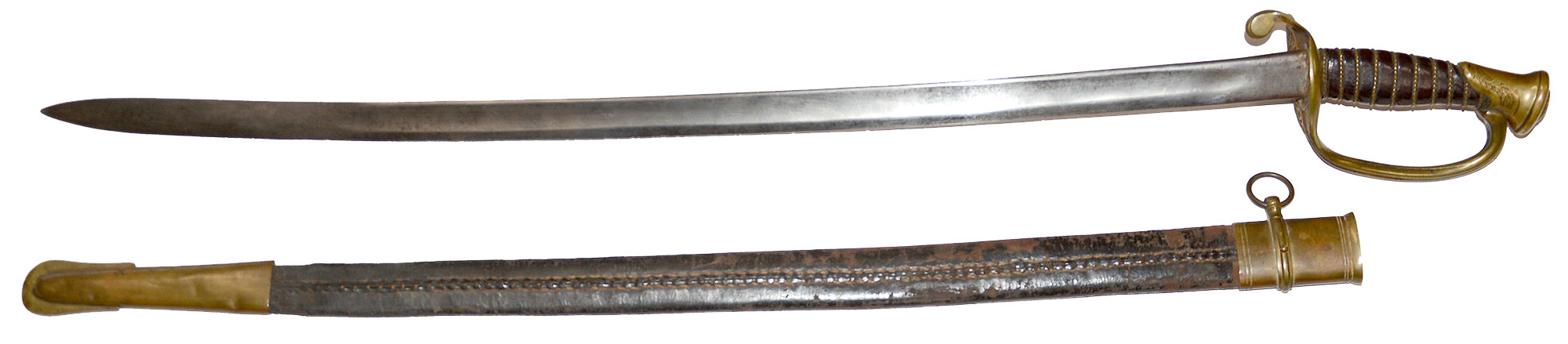
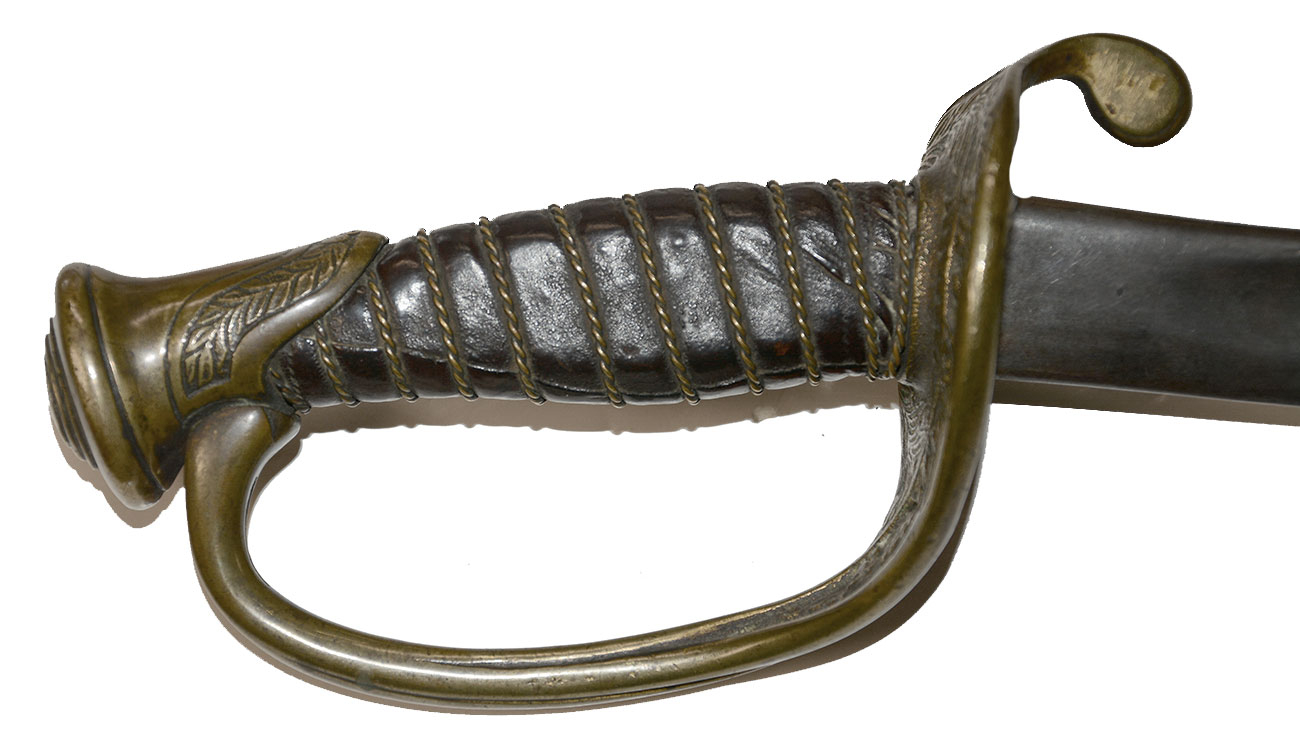
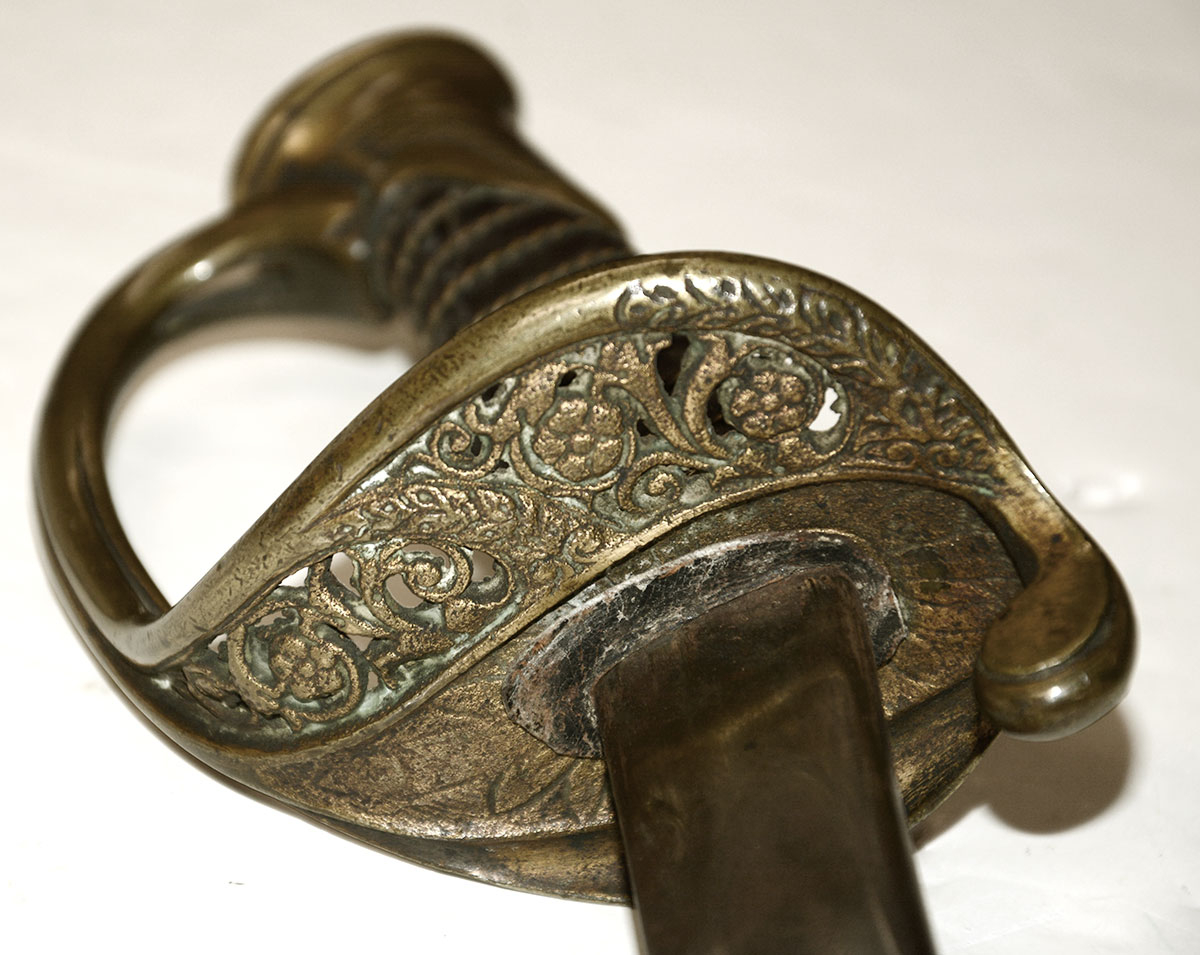
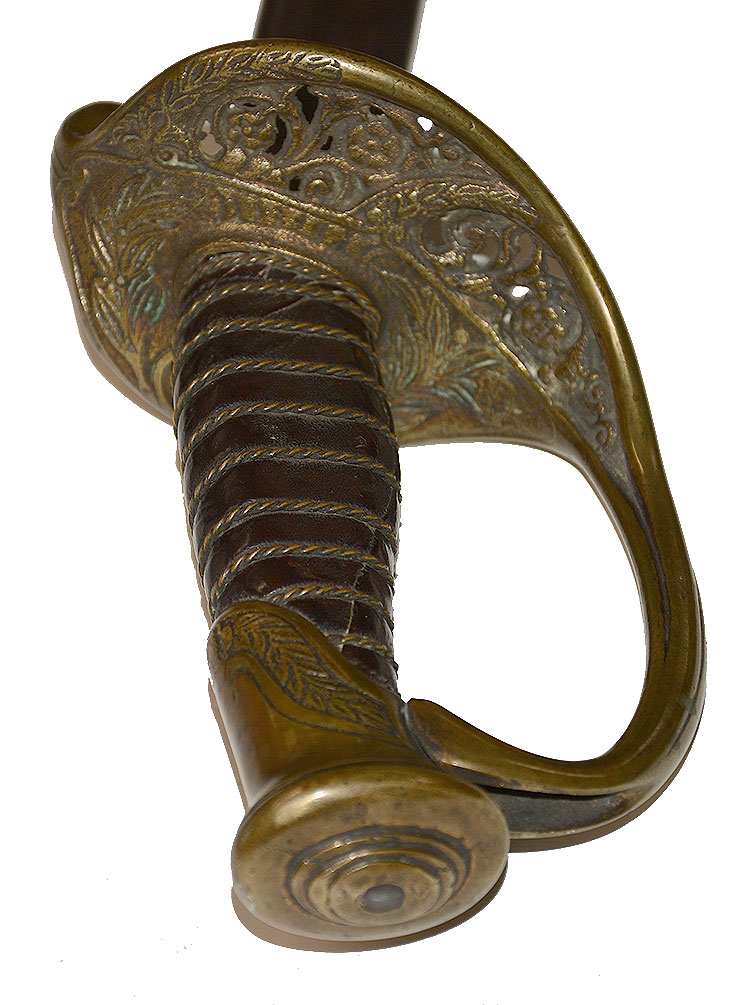
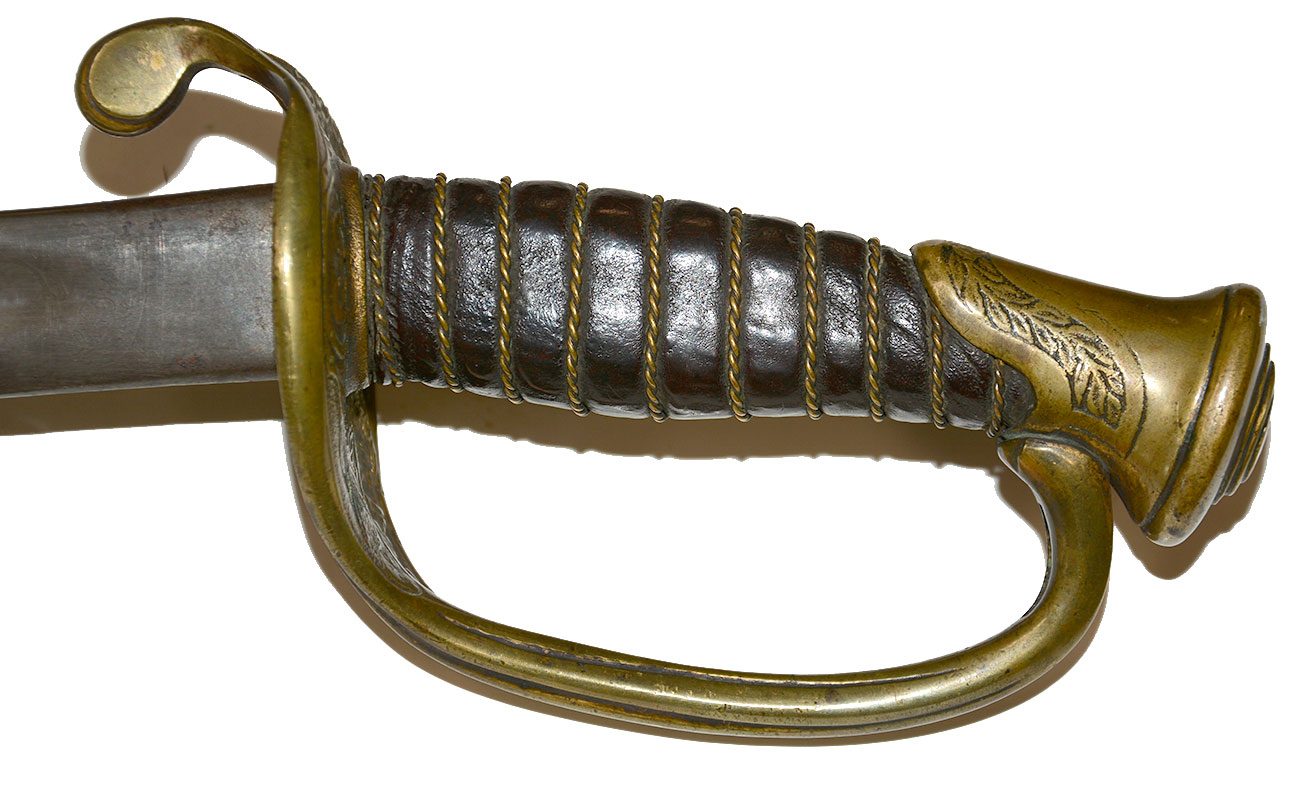
CONFEDERATE OFFICER'S SWORD MADE BY LOUIS BISSONET; THE OWNER OVERSAW THE FIRING OF THE FIRST SHOT OF THE CIVIL WAR
Hover to zoom



$37,500.00 SOLD
Quantity Available: None
Item Code: 870-685
Louis Bissonnet was born in France circa 1837. According to the 1860 Census he was living in Hardin, Texas working as a jeweler. In late 1861 or early 1862 Bissonnet established himself in Mobile, Alabama; here he was offering officers swords for sale. As Bissonnet appears to have been a jeweler and etcher, rather than a cutler, it seems likely that he was buying parts and assembling them, or maybe even acquiring complete swords. He might have relied upon Mobile sword maker James Conning to provide some completed swords. It is also possible that Bissonnet purchased the cast hilts from sources like Leech & Rigdon and had them mounted on blades by Conning. In any case, it seems quite likely that Bissonnet was only the decorator, etcher, retailer and possibly the assembler of the swords attributed to him, but he was not the actual manufacturer.
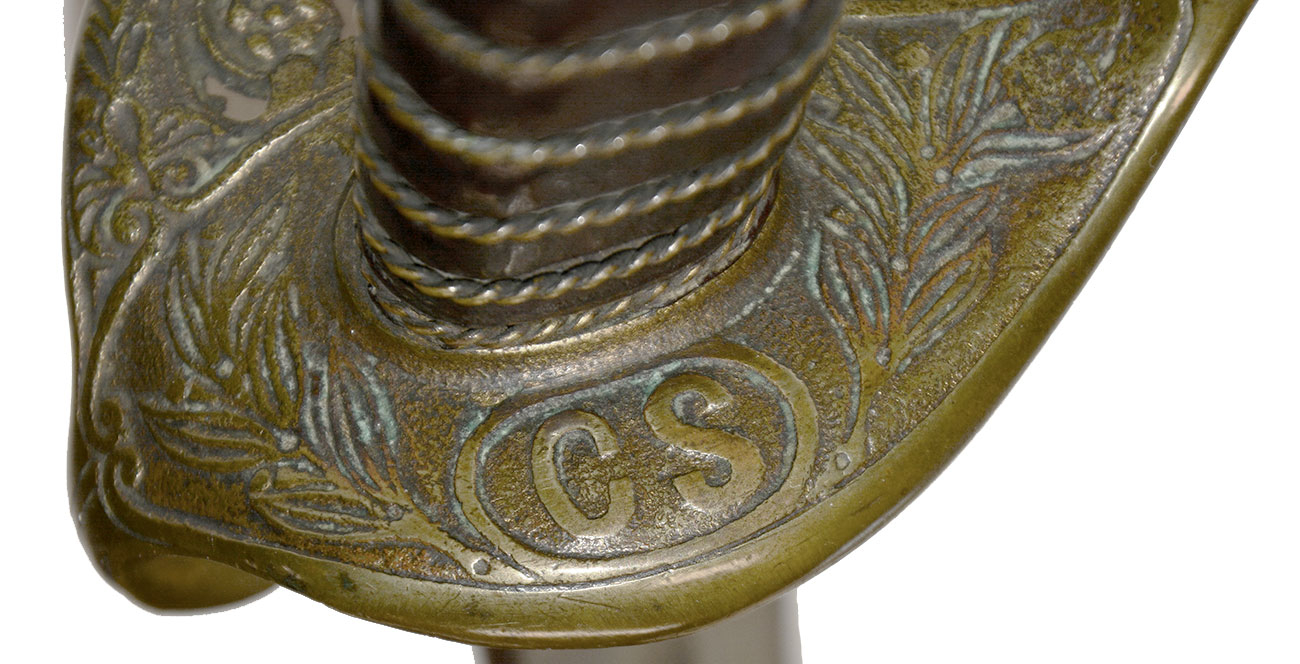
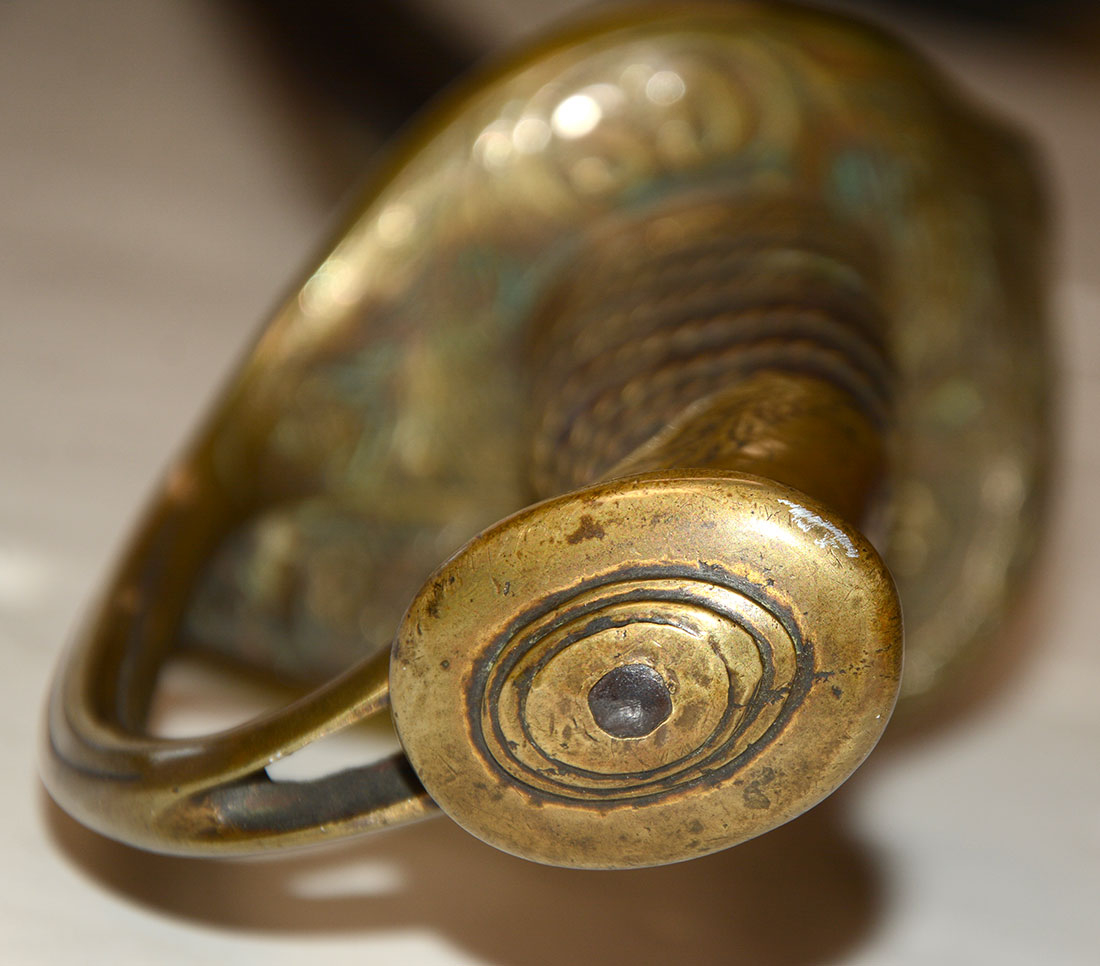
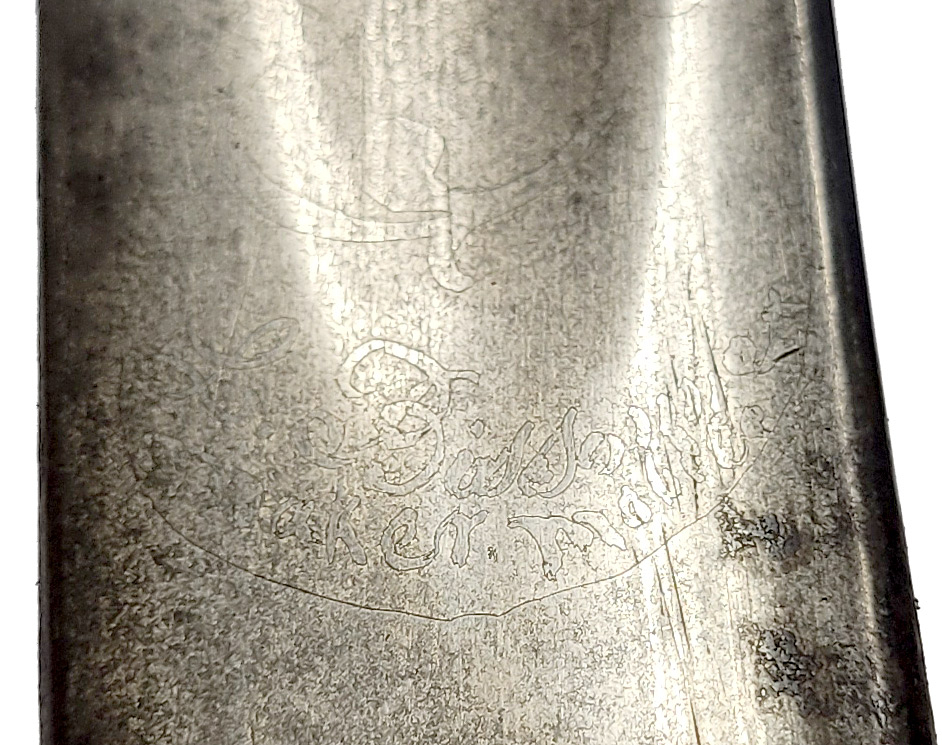
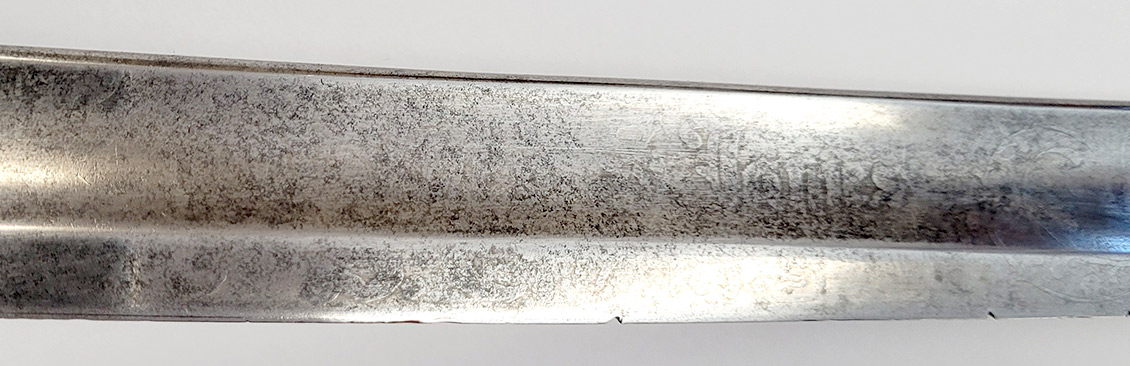
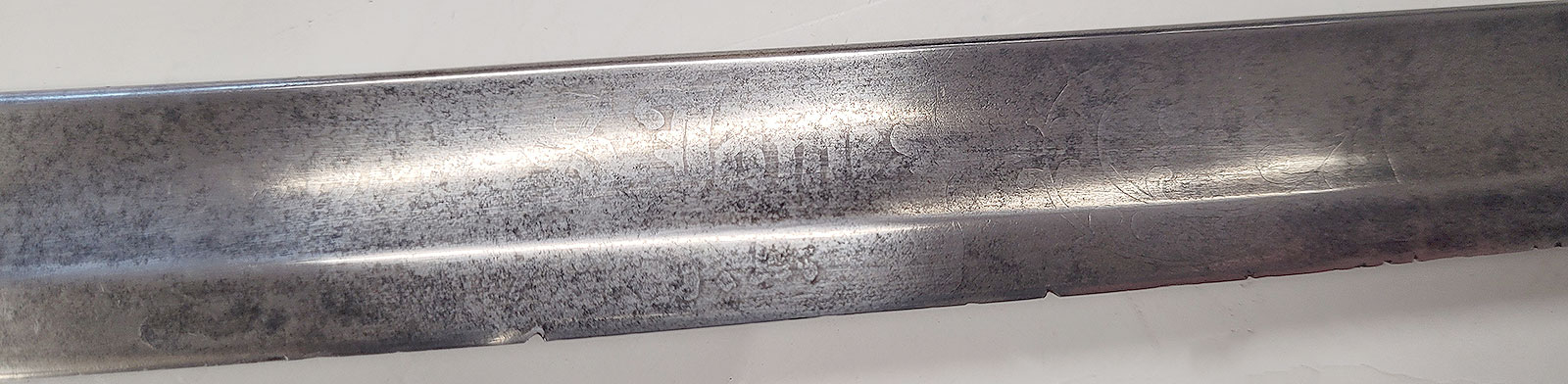
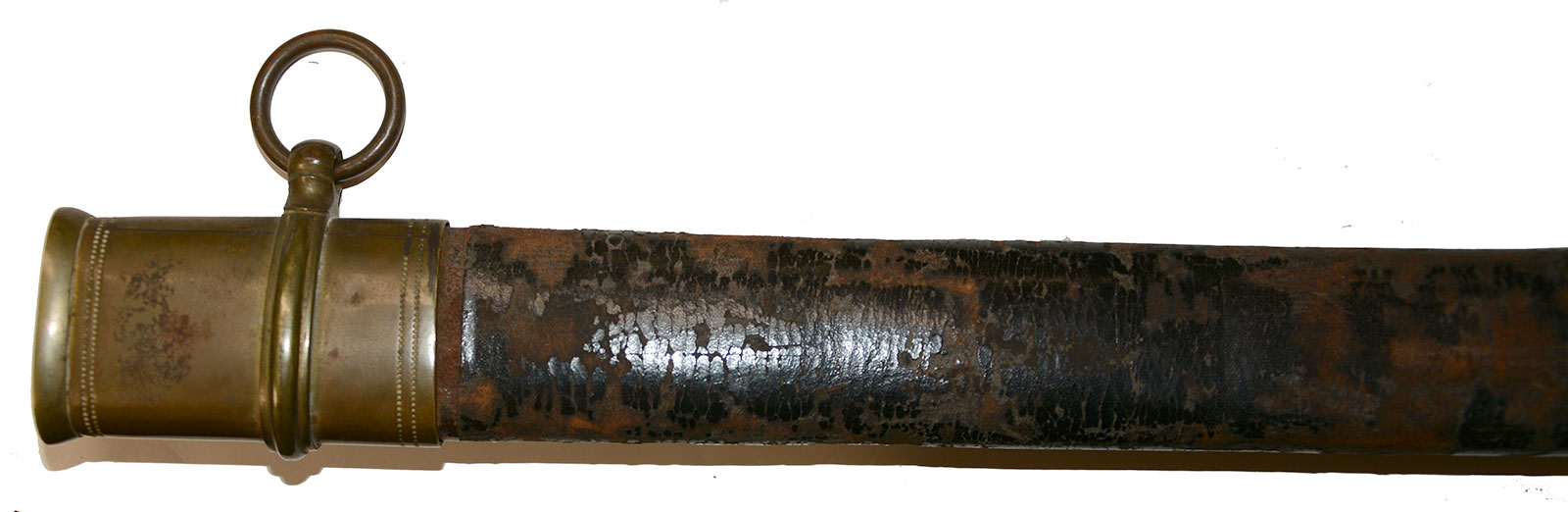
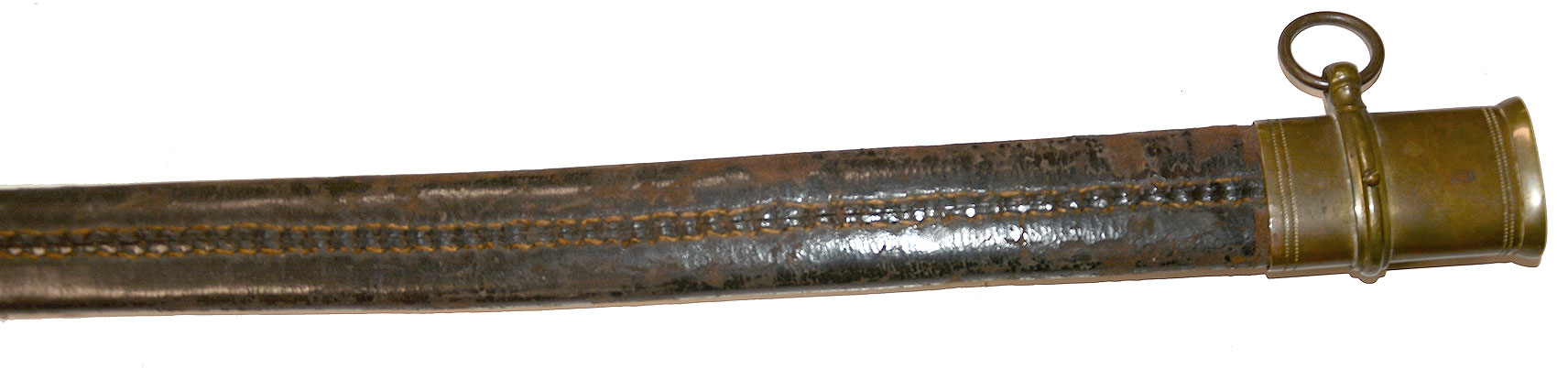
The sword offered is a southern made copy of a US Model 1850 Foot Officer’s Sword. The sword measures 35 inches in overall length with a 29 1/2-inch blade. The single edged, spear point blade is slightly curved and 1 inch wide where it meets the hilt. The original thin leather washer between the hilt and blade is in place. The fine blade shows about 15 inches of a light etched floral decoration originating from the hilt toward the tip. The blade has been lightly cleaned and has a medium pewter patina with areas of brightness. There are some shallow nicks on the cutting edge but no rust or pitting. The style of etching is Bissonnet’s work and the sword is actually signed "L. Bissonet" over "Maker Mobile". The name "GEORGE S. JAMES" is also etched in old English script on the blades right side; "GEORGE" is there but difficult to see. The brass hilt has pierced floral motifs in the guard and a raised cast "CS" that measure about 1” wide on the reverse of the counterguard. The oval CS is flanked by a pair of laurel sprays, and the pommel is cast with acanthus leaves and topped with an oval pommel cap. The knuckle bow is plain and quality of the detail in the casting quite good, with sharp details. The grooved wooden grip is covered in dark brown/black leather seamed along the bottom of the grip and has 11 wraps of twisted brass wire wrapped around the cover. The leather and wire are both original and 100% intact. The sword is contained inside a side seamed black leather scabbard with brass mounts. The seam is charmingly crude and the leather, scuffed overall, is remarkably sound. Of the 2 remaining only the top mount is correct. It is plain with nicely incised lines for decoration and is secured by tension screws on their reverse. The bottom mount is old and Southern made but not born with this sword.
GEORGE S. JAMES: He was a member of the Euphemian Literary Society at Erskine Seminary (enrolled 1843), but "ran off" at age 18 to serve in Company E, Palmetto Regiment (Marshall's) in the Mexican War on 1 December 1846. He was a corporal by October 1847 and was appointed the Sergeant Major of the Regiment on 1 December 1847. He mustered out on 1 July 1848 at Mobile, Alabama and entered South Carolina College, where he was a senior in 1851, but left before graduating. He then went West, where he was a teacher in the Indian Territory. He was commissioned a 2nd lieutenant in the 4th US Artillery in June 1856 and 1st lieutenant in December 1857. He resigned his US commission to go South in February 1861. He was commissioned the captain of company C, First South Carolina Artillery. James was in command of the Battery at Ft. Johnson, Charleston Harbor, and ordered the first (probably signal round) shot on Ft Sumter at 4:30 am, 12 April 1861. One reliable source says: "...Chesnut ordered Captain George S. James to fire the signal mortar to begin the artillery bombardment at 4:30 a.m. James asked Roger Pryor, the Virginia congressmen who wanted his state to join the Confederacy, if he would like to fire the first shot. An emotional Pryor said, “I could not fire the first gun of the war.” Instead, Lieutenant Henry S. Farley launched the first shell. It burst high and bright in the predawn morning over Fort Sumter. The bombardment had begun". So, it seems James fired the signal round that initiated the bombardment but was that round aimed at Sumpter, and did it burst over the fort? There is lots of room for research here!
James left the artillery and was appointed the major of the 3rd South Carolina Battalion of Infantry in December 1861, and subsequently the Lieutenant Colonel and commanding field officer on the 2nd of February 1862. He was mortally wounded by gunshot to the chest in action at Fox's Gap on South Mountain on 14 September and died early the next morning in company with Capt. C.F. Walcott of the 21st Massachusetts Infantry, who related: "I had an interesting conversation with a wounded rebel officer during the night. About midnight I heard a call for help, and going to the spot saw someone moving rapidly away from a man lying on the ground. The prostrate man told me that he was Lieutenant-Colonel James... that he was shot through the body when our men made the last assault, and had pretended to be dead, hoping that he should feel able to try to escape before morning, but found himself growing weaker, and knew that he should die. He said that he had called for help, because a prowling rascal had turned him over and taken his watch. As he was getting very cold, I covered him with a blanket and gave him a drink of whiskey. As I sat by him he told me that when his regiment was ordered to cross the Potomac, the colonel had refused to go, saying that the regiment had enlisted to defend the South and not to invade the North, but that he had sprung to the front, and telling the colonel that he was a coward, had called on the men to follow him, but had led them to their death, as he believed himself to be the only surviving officer of the regiment. The brave fellow died before morning. Lieutenant-Colonel James was buried on the field by local resident Frank P. Firey. His remains were not returned to South Carolina.
This sword was presented or purchased by James upon, or shortly after, the time he was appointed Major of the 3rd South Carolina Infantry Battalion; there can be no doubt he was wearing it when mortally wounded at South Mountain during the Antietam campaign. This is a great sword worn by a man who was intimately involved in starting the war but never lived to see its end; a true martyred hero of the Southern Confederacy. Modern archive records accompany this wonderful sword.[pe][ph:L]
~~~~~~~~~~~~~~~~~~~~~~~~~~~~~~~~~~~
THIS ITEM, AS WITH ALL OTHER ITEMS AVAILABLE ON OUR WEB SITE,
MAY BE PURCHASED THROUGH OUR LAYAWAY PROGRAM.
CLICK HERE FOR OUR POLICIES AND TERMS.
THANK YOU!
Inquire About CONFEDERATE OFFICER'S SWORD MADE BY LOUIS BISSONET; THE OWNER OVERSAW THE FIRING OF THE FIRST SHOT OF THE CIVIL WAR
Most Popular
Historical Firearms Stolen From The National Civil War Museum In Harrisburg, Pa »
Theft From Gravesite Of Gen. John Reynolds »
Selection Of Unframed Prints By Don Troiani »
Fine Condition Brass Infantry Bugle Insignia »
Rare Identified 65Th Ny Sergeant’s Jacket, With Manscript Material: 1St U.s. Chasseurs »
featured item
CIVIL WAR MESS CHEST, COMPANY G 6th MASSACHUSETTS VOL. MILITIA
This Civil War mess chest was stenciled twice on the underside of the lid by William Boyd Tingley, the wagoner of Company G of the 6th Mass Volunteer Militia, who was probably charged with transporting it for the company officers. This measures 24”… (1202-869). Learn More »
site search