


site search
online catalog
WONDERFUL CASED FIRST MODEL MAYNARD: THREE BARRELS, ACCESSORIES, NOV. 1860 NAMED SHIPPING RECEIPT LISTING CONTENTS, FINE / NEAR EXCELLENT CONDITION!
Hover to zoom
$15,500.00 SOLD
Quantity Available: None
Item Code: 1309-76
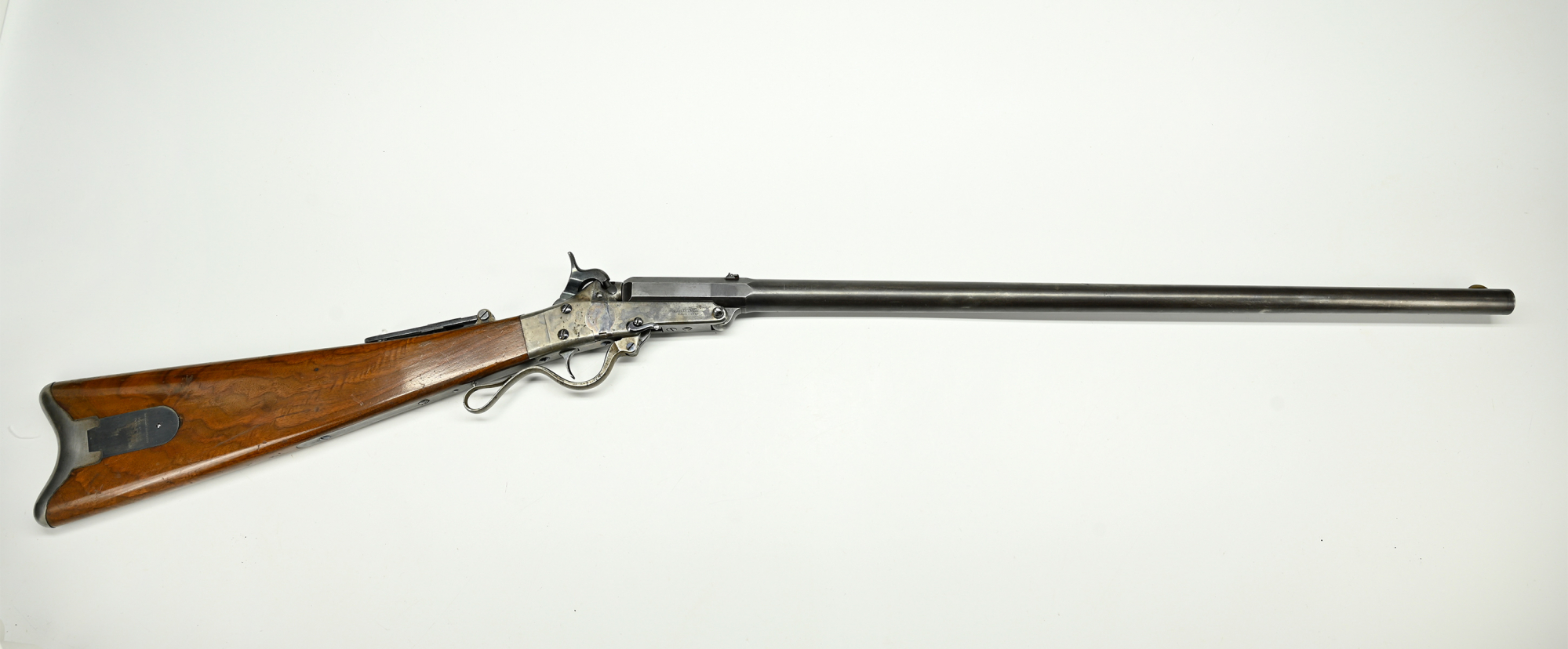
A rare, very high-grade, cased First Model Maynard sporting rifle great condition with 80 percent or better overall original finish, rating at least Fine for condition, complete with its three original barrels and numerous accessories, all in an embossed leather carrying case, and accompanied by its November 1860 Adams Express Company shipping receipt both enumerating the contents and naming the purchaser- a wealthy Pennsylvania mine and iron-works owner. This was likely one of Maynard’s more expensive offerings.
Edward Maynard, dentist, dental instrument maker, and arms developer filed his first and likely most famous arms-related patent in 1845 for a tape priming system- an alternative to loose, individual percussion caps. In 1851 he registered a patent for a single-shot “Breech-Loading Fire-Arm,” which he improved with subsequent patents for his cartridges and in 1859 for improvements to the gun, which used a triggerguard-lever to lower the muzzle of the barrel and tip up the breech for insertion of a metallic cartridge with wide base that acted as gas seal and with flame-hole in its center for ignition by his tape primer or conventional percussion caps. Flayderman and others have estimated prewar production of this First Model by the Massachusetts Arms Company at 5,000, starting about 1858, with the guns available in .35 and .50 caliber, with 20-inch carbine barrels and 26-inch rifle length barrels. This is serial numbered #4023 on all three barrels, giving it a likely 1860 date of manufacture, born out by a paper label in the patchbox mentioning 1859 patents by Maynard, and the November 1860 dated shipping receipt.
Southern states and militia units purchased sizable numbers of Maynards in various configurations in the run-up to the war, but although US Army and Navy tests and field trials were favorable, the U.S government was slow to take it up, ordering just 400 for trial in 1857. Any possible early war orders were then thwarted by an 1861 Mass. Arms factory fire that shut down production until 1863. It was only in June 1863 that the US government signed a contract for 20,000 Second Model carbines (“Model of 1863”) that were delivered from June 1864 through May 1865 (with an additional 2 carbines as models.) McAulay calls it, “one of the best performing and most accurate carbines of the Civil War.”
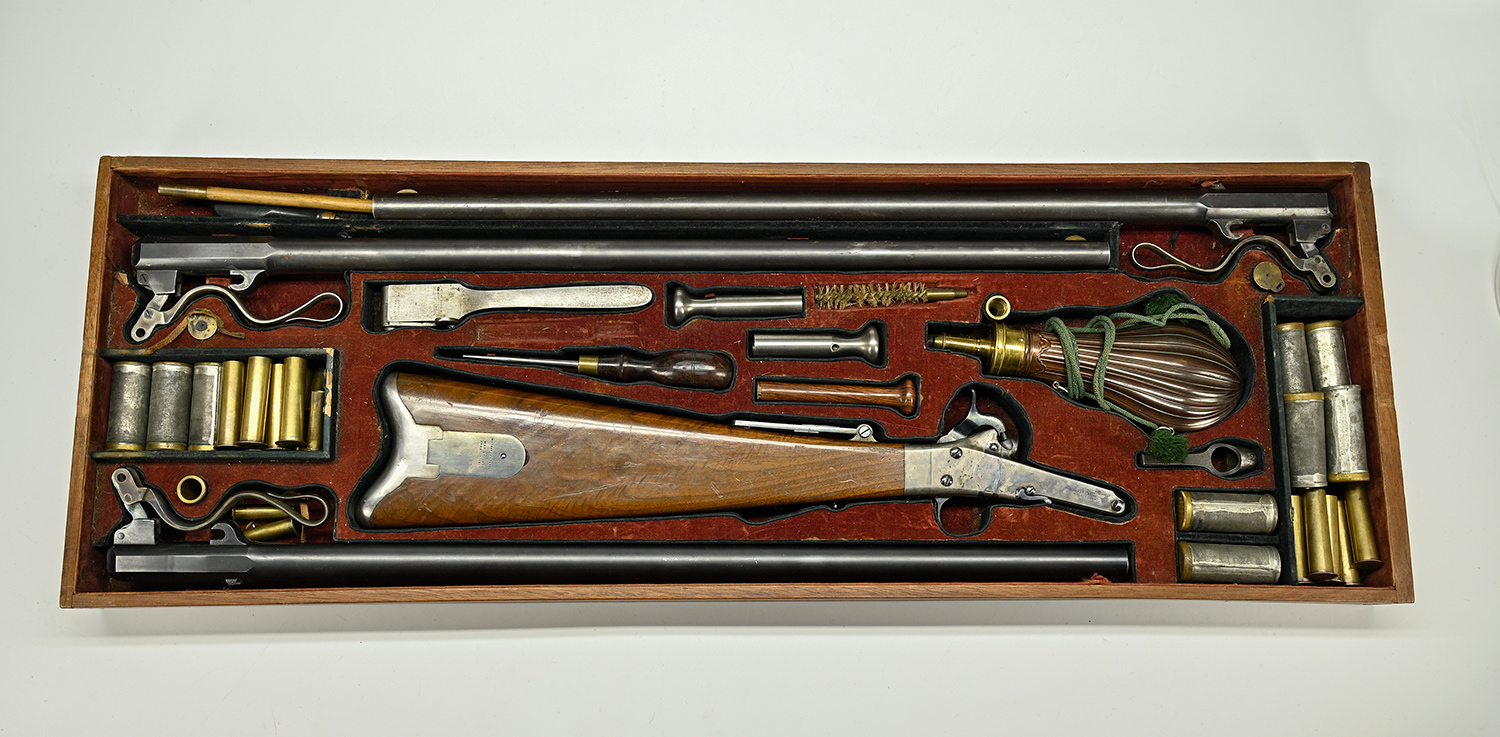
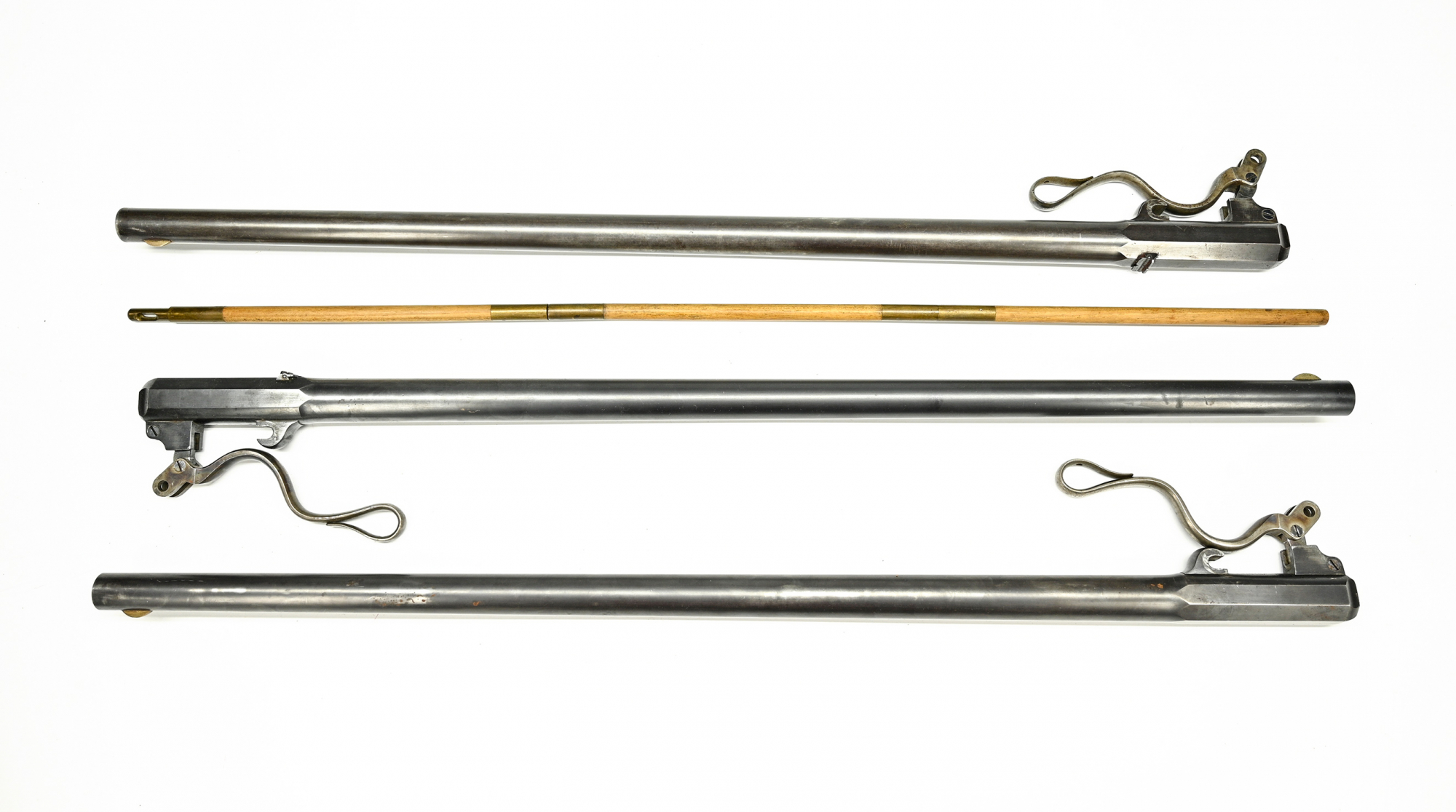
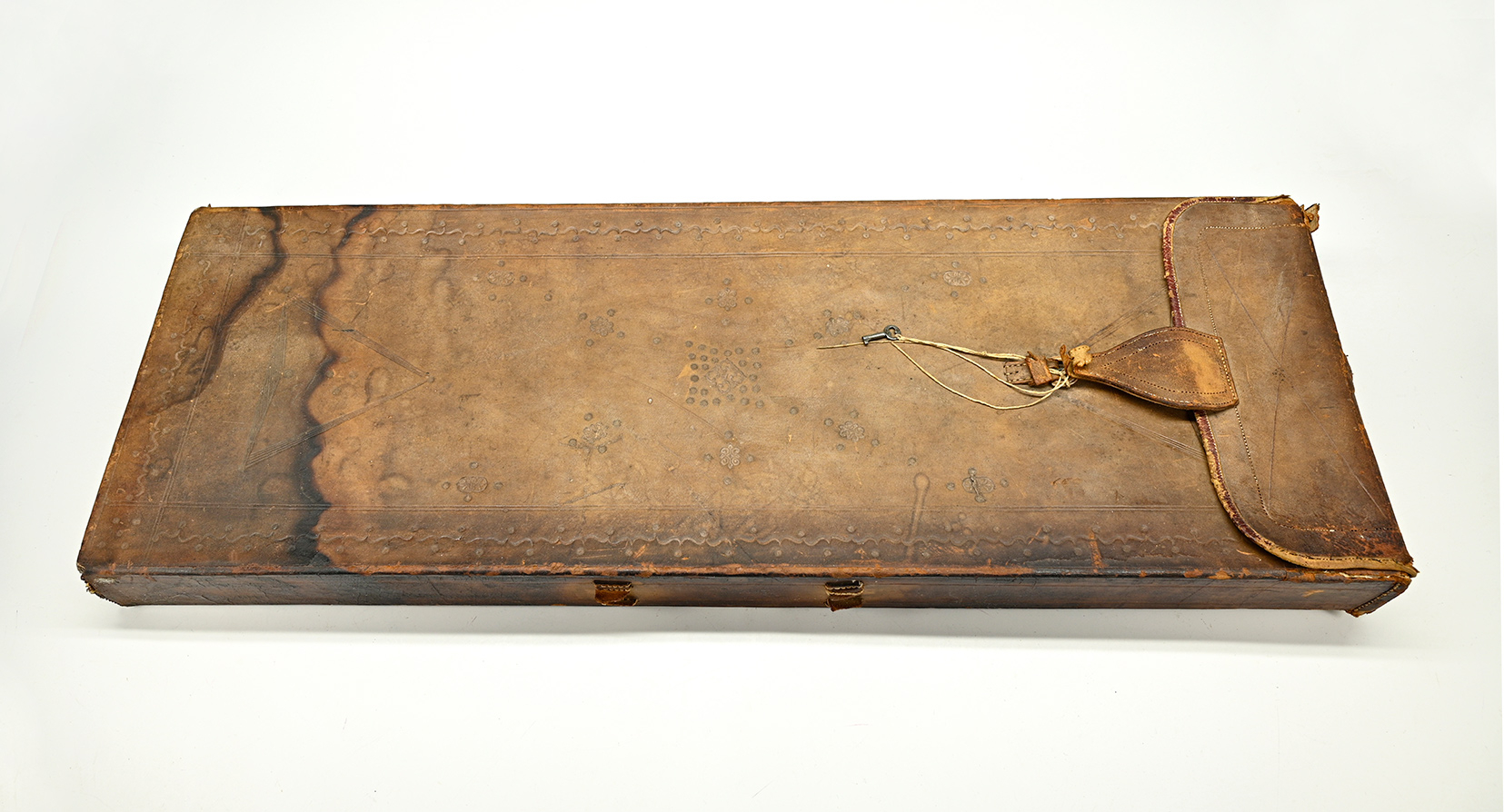
One of the Maynard’s selling points to sportsmen was that shooters did not have to purchase guns of different calibers, but could simply buy separate barrels of differing length or caliber that were interchangeable on the frame and buttstock. In this case the buyer went the full distance, purchasing three barrels, all of 26-inch rifle length: one .35 caliber rifled; one .50 caliber rifled; and, one .50 caliber smoothbore/shotgun, cased along with the buttstock/frame and a variety of accessories: powder flask, bullet mold, cartridge cases, and primers, cleaning rod, etc., all in a compartmented, red-velvet lined wood tray measuring 34” by 11-3/4” that slides into an embossed leather carrying case.
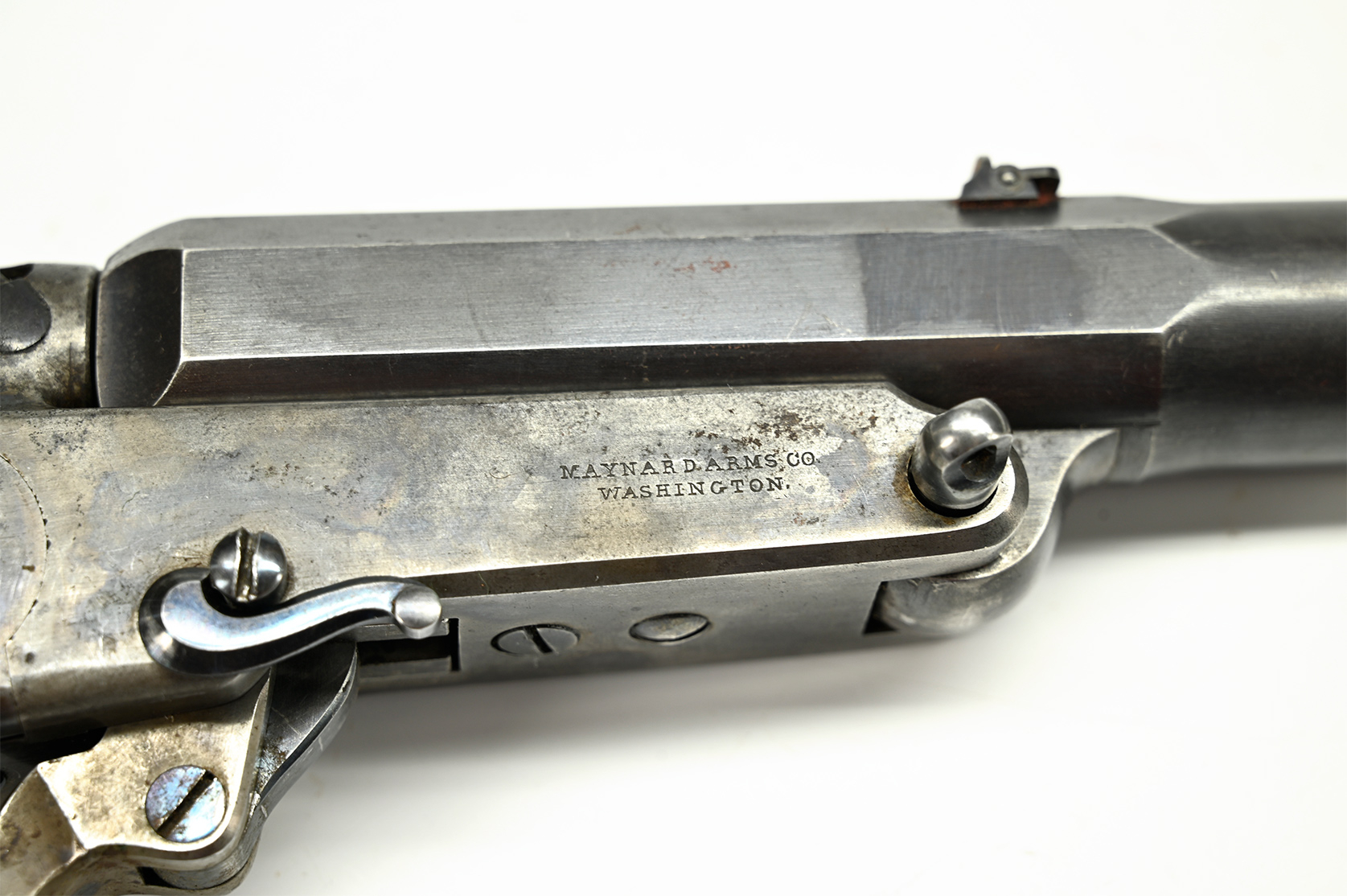
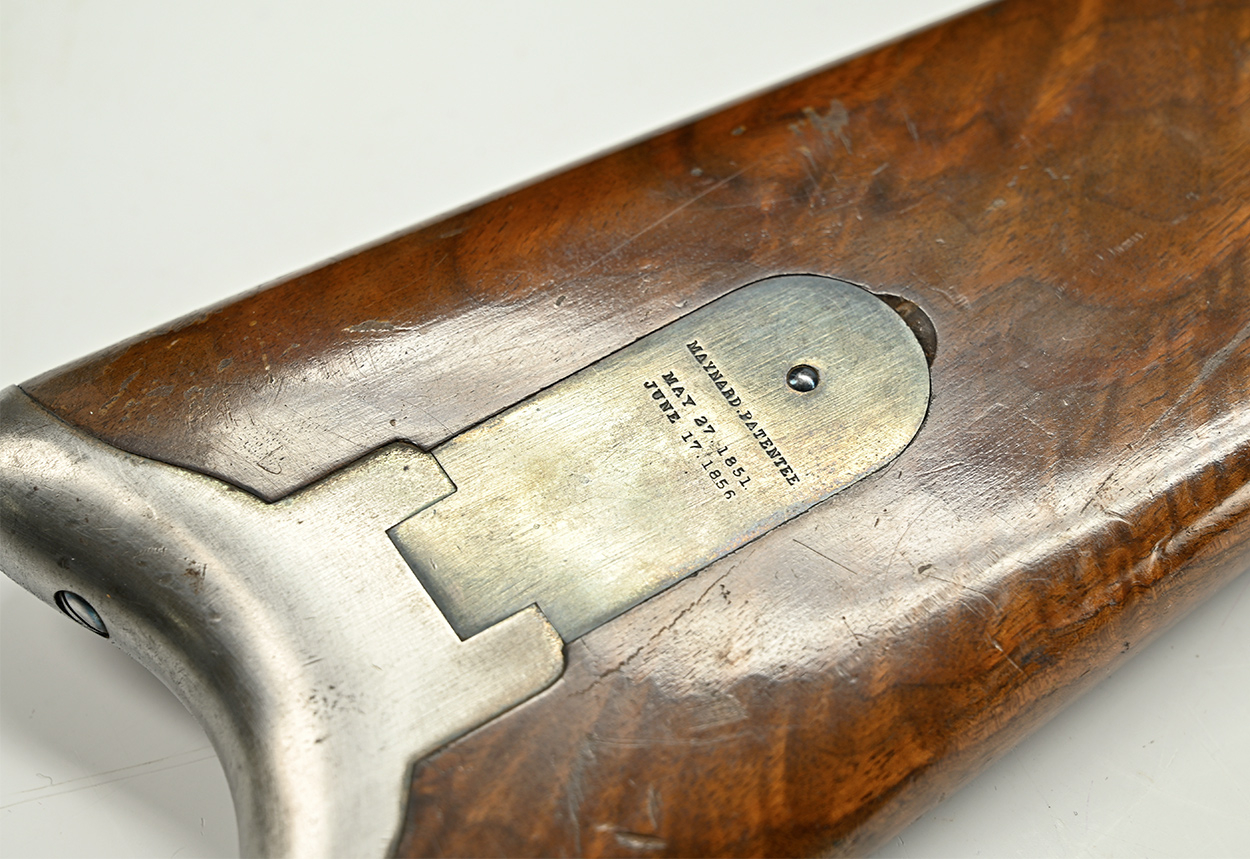
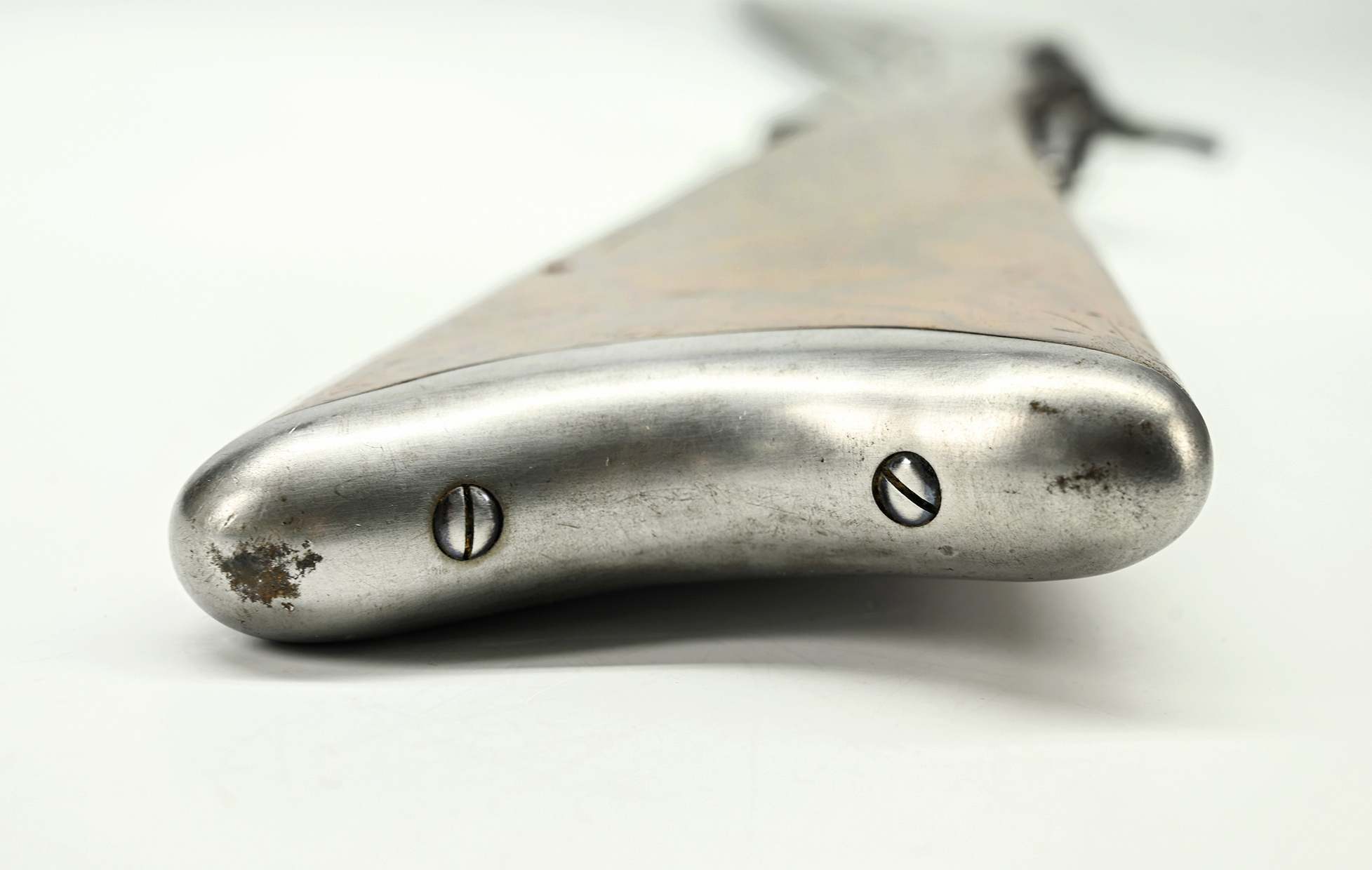
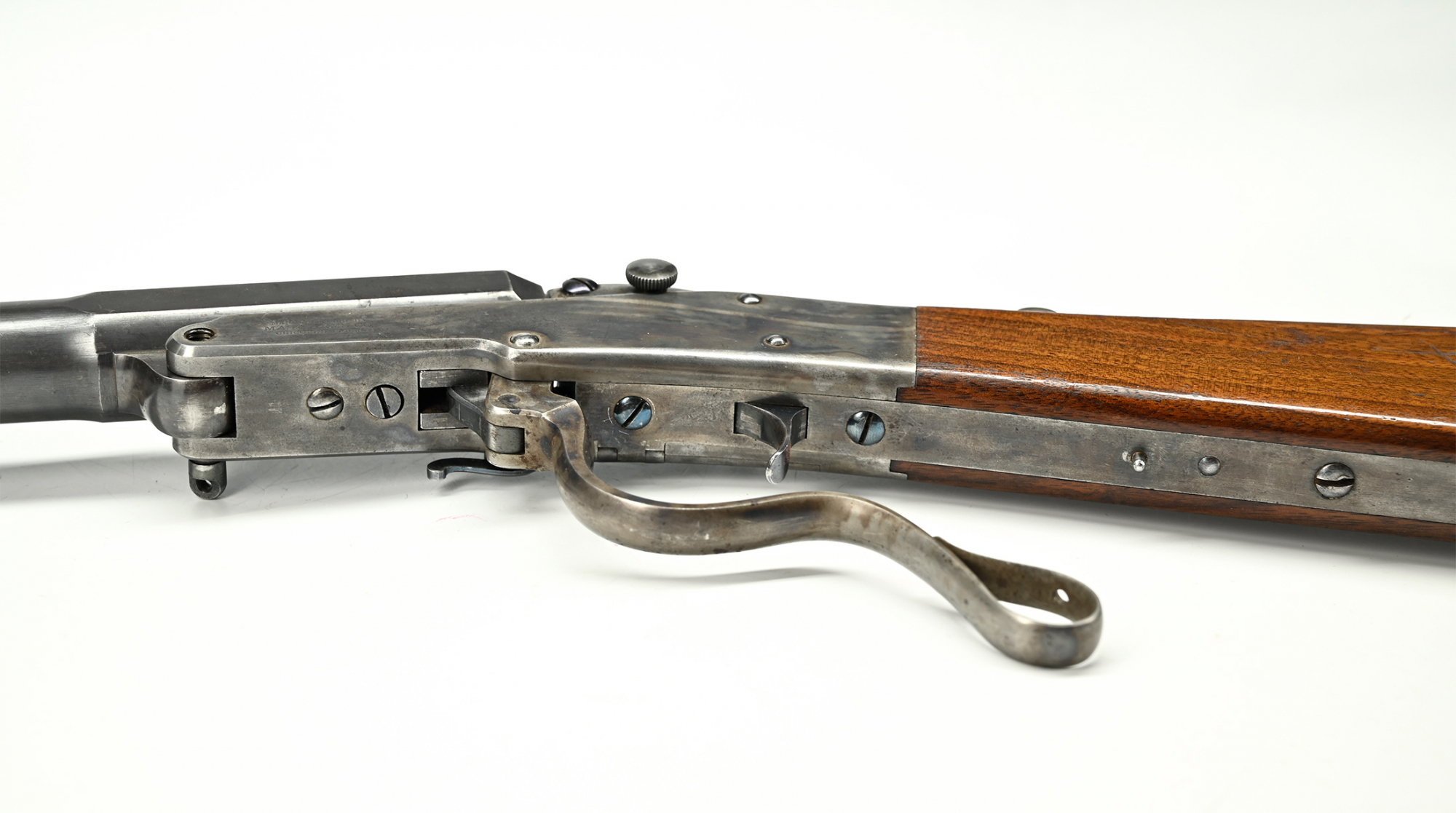
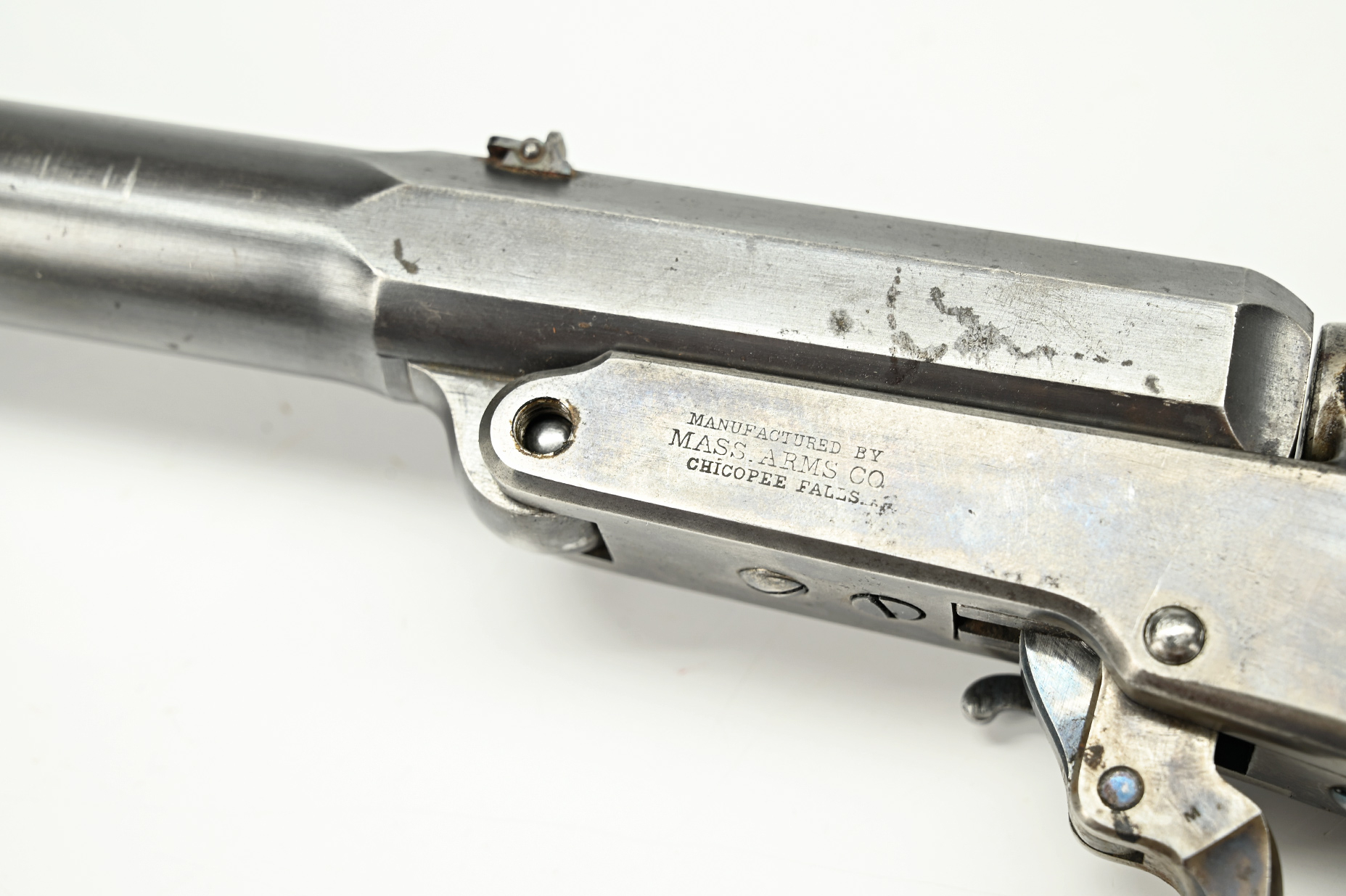
The buttstock shows very pretty, flowing grain to the wood, with good edges and a tight fit to the metal, warm brown color with a very good finish showing just some light handling scratches. The buttplate shows as a steel gray color with some darker gray shadows likely from rubbing in use and two gray spots at the heel and toe, but the patchbox door shows a lot of blue and clear Maynard patent markings: “MAYNARD PATENTEE / MAY 27 1851 / JUNE 17 1856,” correctly omitting the Sept. 22, 1845 patent date noted by Flayderman only on some very early production arms. The interior contains a wonderful paper label listing six Maynard patent dates, from 1851 to 1859, and contains two nipples. The wrist carries a rear, folding, long, tang sight, and as is correct for a civilian arm, has no sling ring on the underside. The frame shows pleasing mottled case colors, stronger toward the front, and bright fire-blued screws and hammer. The right frame is marked: “MAYNARD ARMS CO / WASHINGTON” and the left frame: “MANUFACTURED BY / MASS. ARMS CO / CHICOPEE FALLS.”
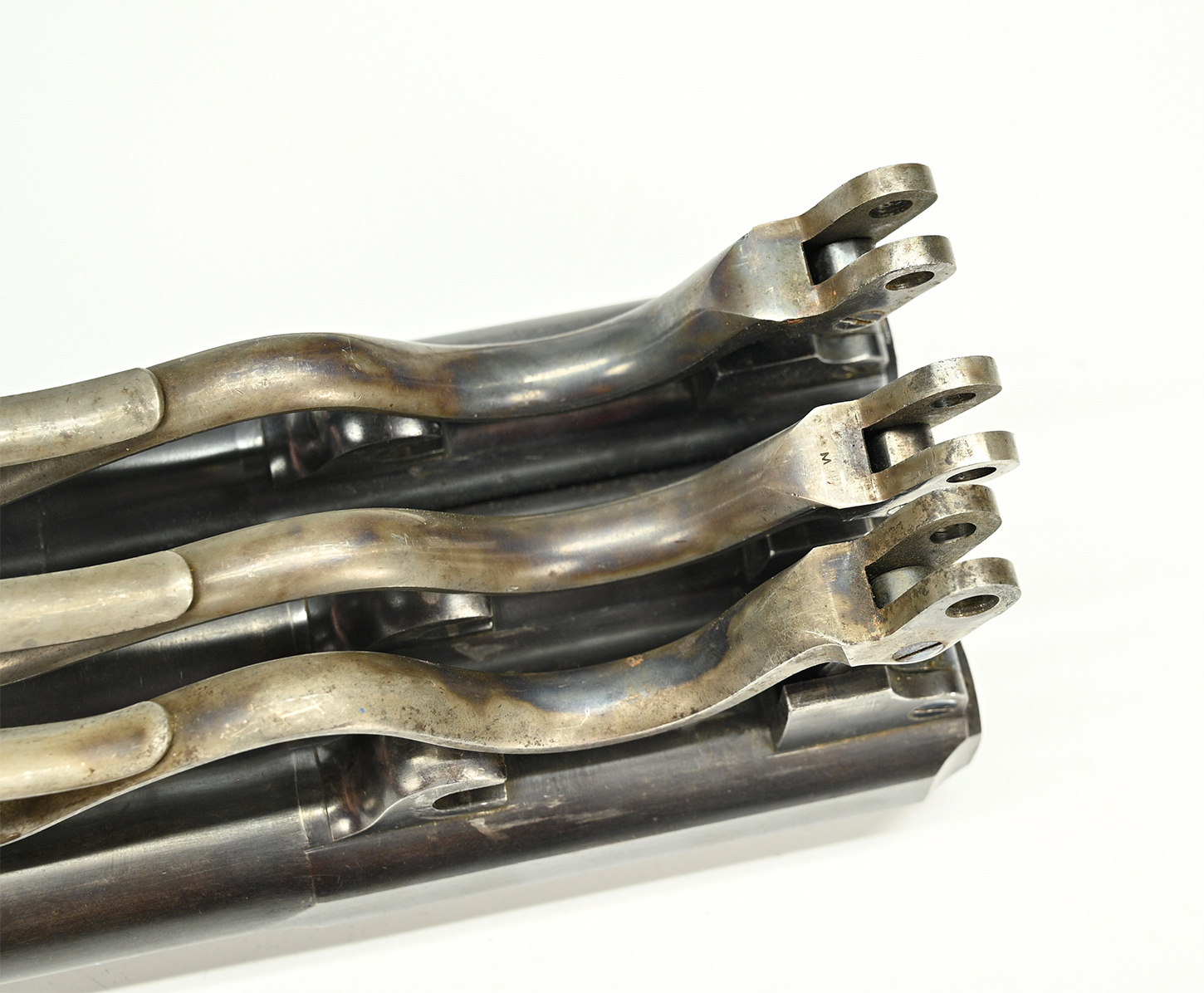
The three barrels are all 26” long and serial numbered #4023 on the underside: one .35 caliber rifle barrel; one .50 caliber rifle barrel; and, one .50 smoothbore/shotgun barrel. All have brass blade front sights; the two rifle barrels have short folding leaf rear sights as well. All are complete with bottom hooked lugs and lever/triggerguards in place. The barrels show at least 80 percent thin original blue and even strong case colors on the levers, though with some gray age spots on their edges of the levers. On the barrels we see just few gray spots or rubbing where one might hold it in disassembly from the frame. The bores are good. Two barrels show factory inspector initials “M” and one, “W.P.McF.” (i.e., William P. McFarland of the Mass. Arms Co.)
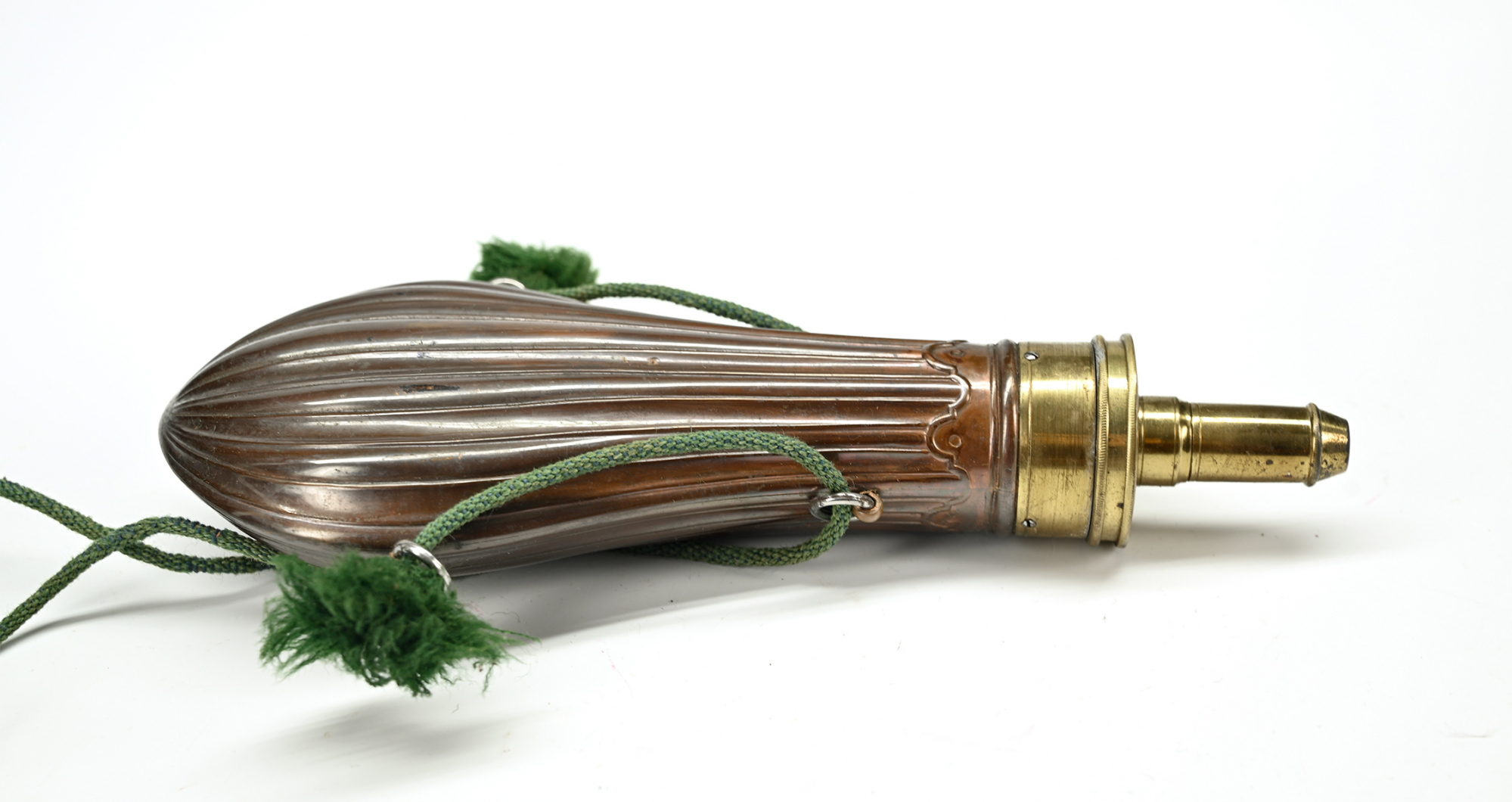
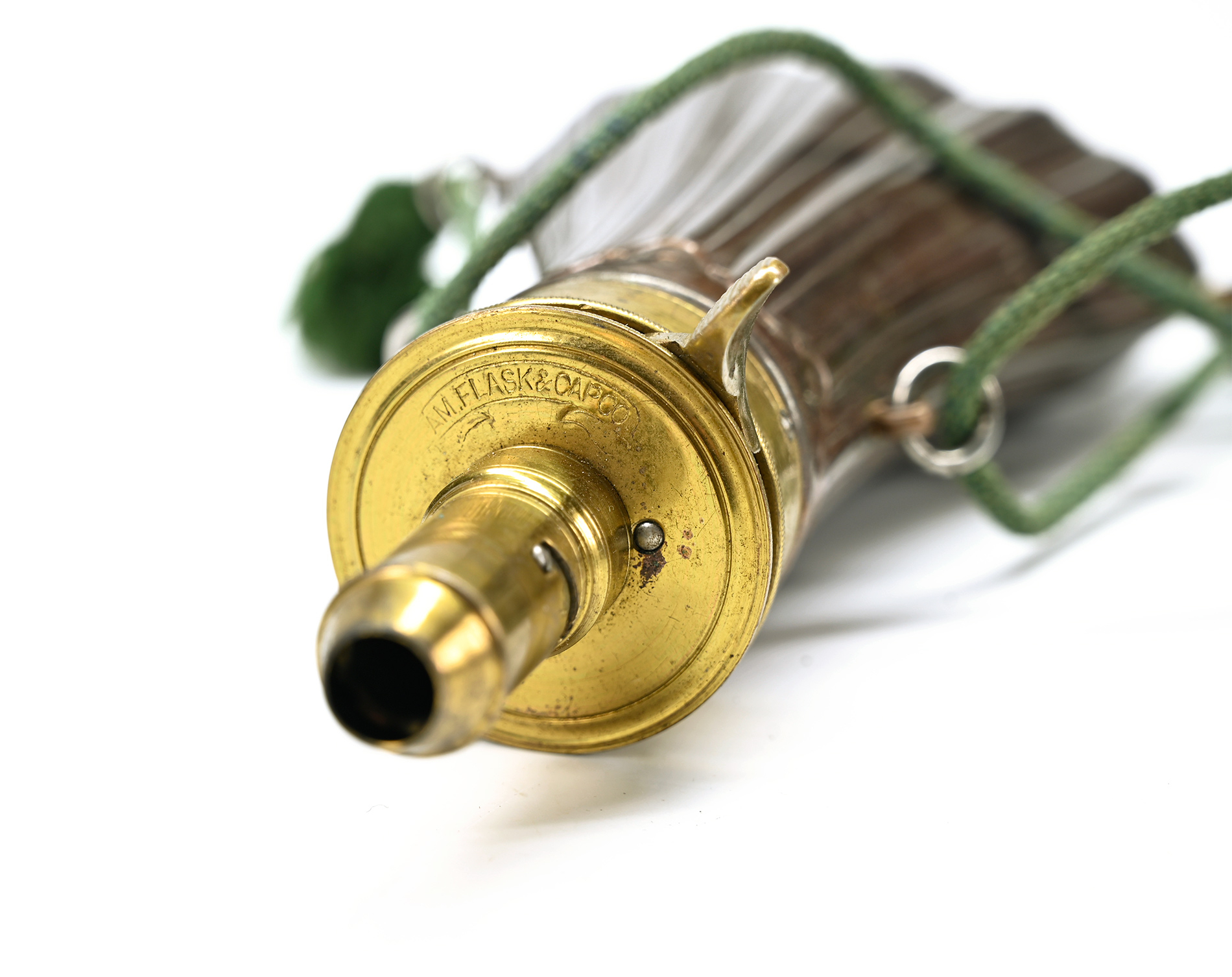
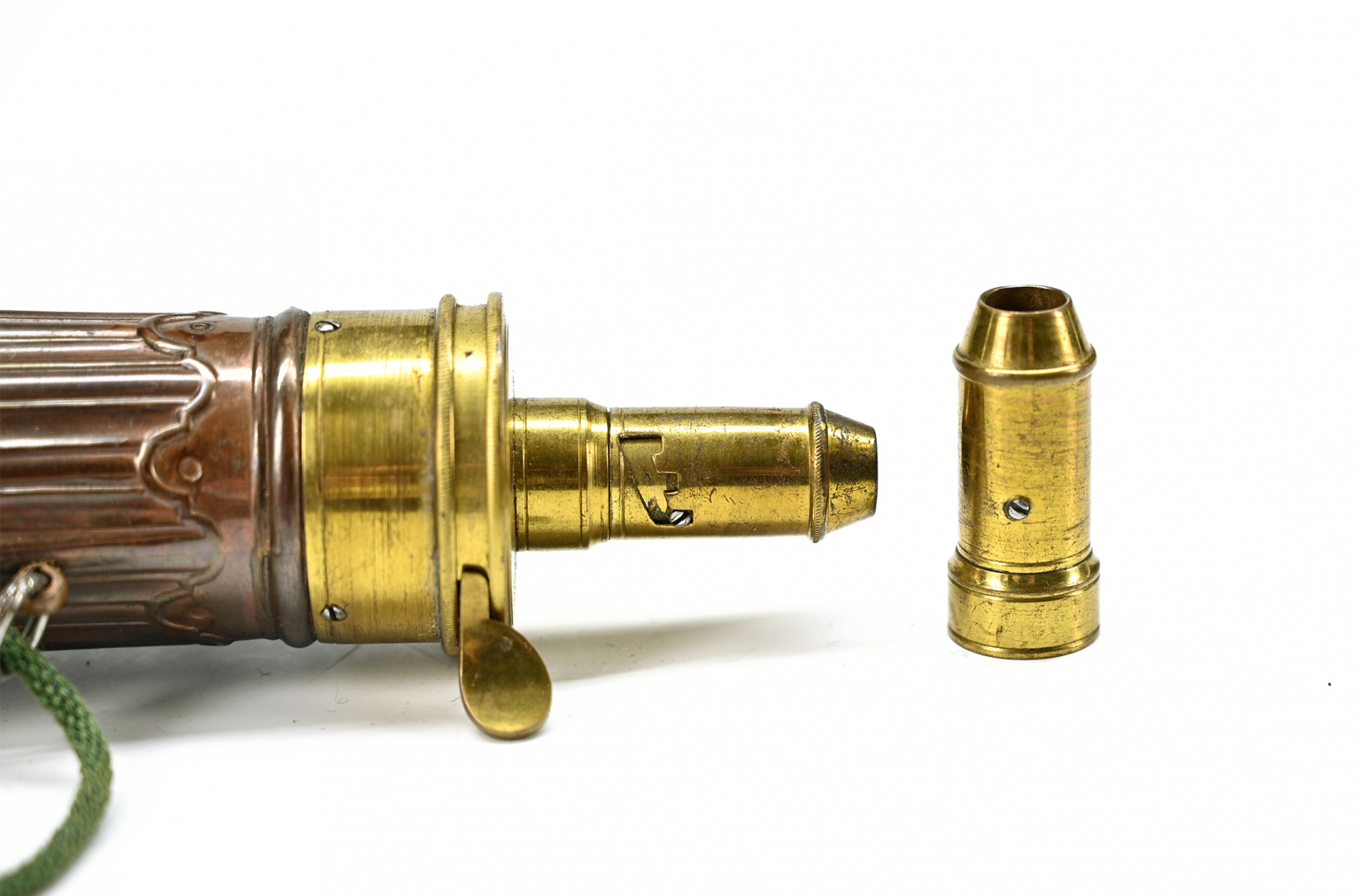
The powder flask is excellent, with rich brown color to the varnished body and bright brass top, risply marked “AM. FLASK & CAP CO” for the American Flask and Cap Company, and comes with two different spouts for the different charges required for the barrels and is fitted with a full-length green shoulder cord.
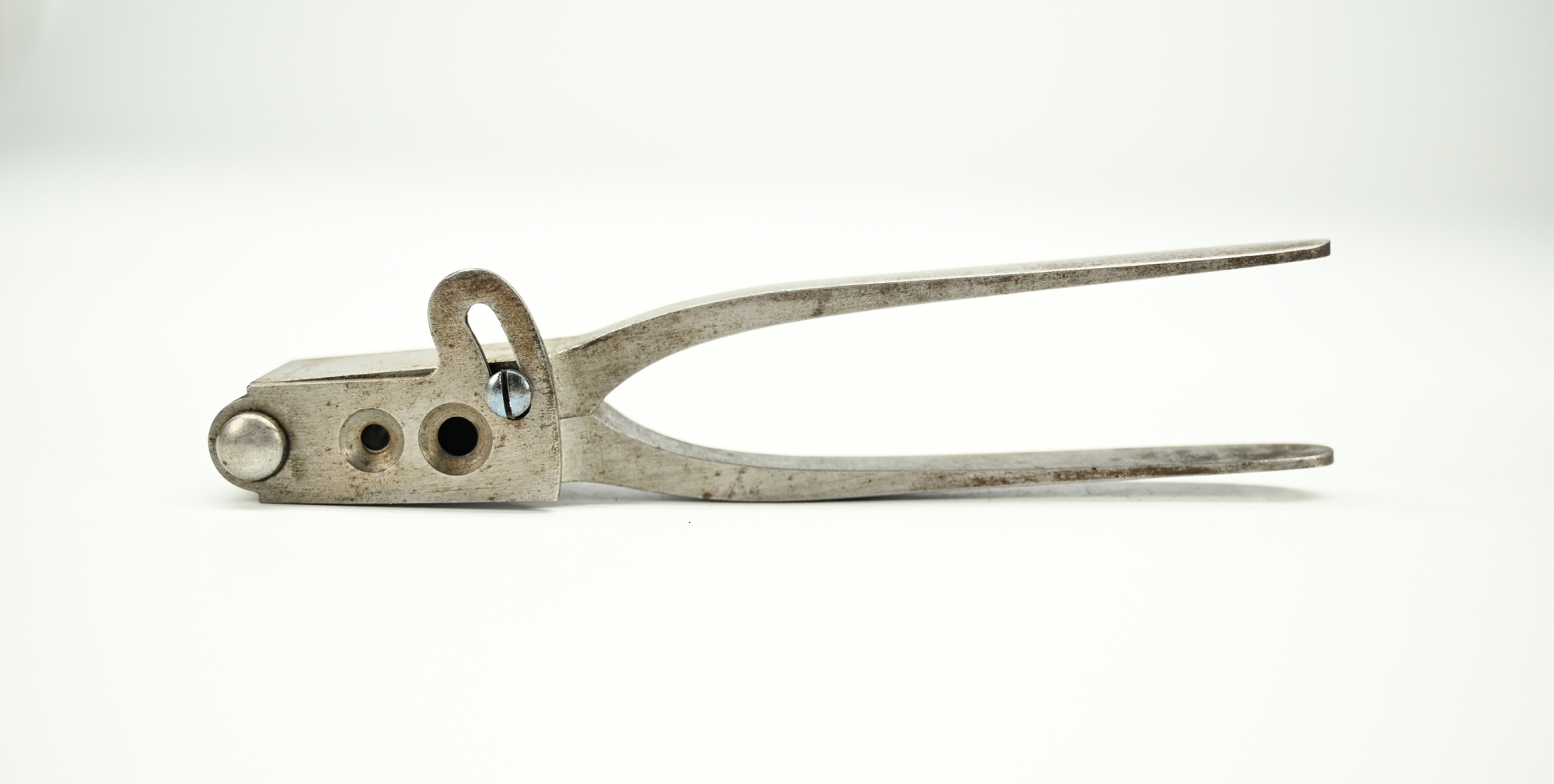
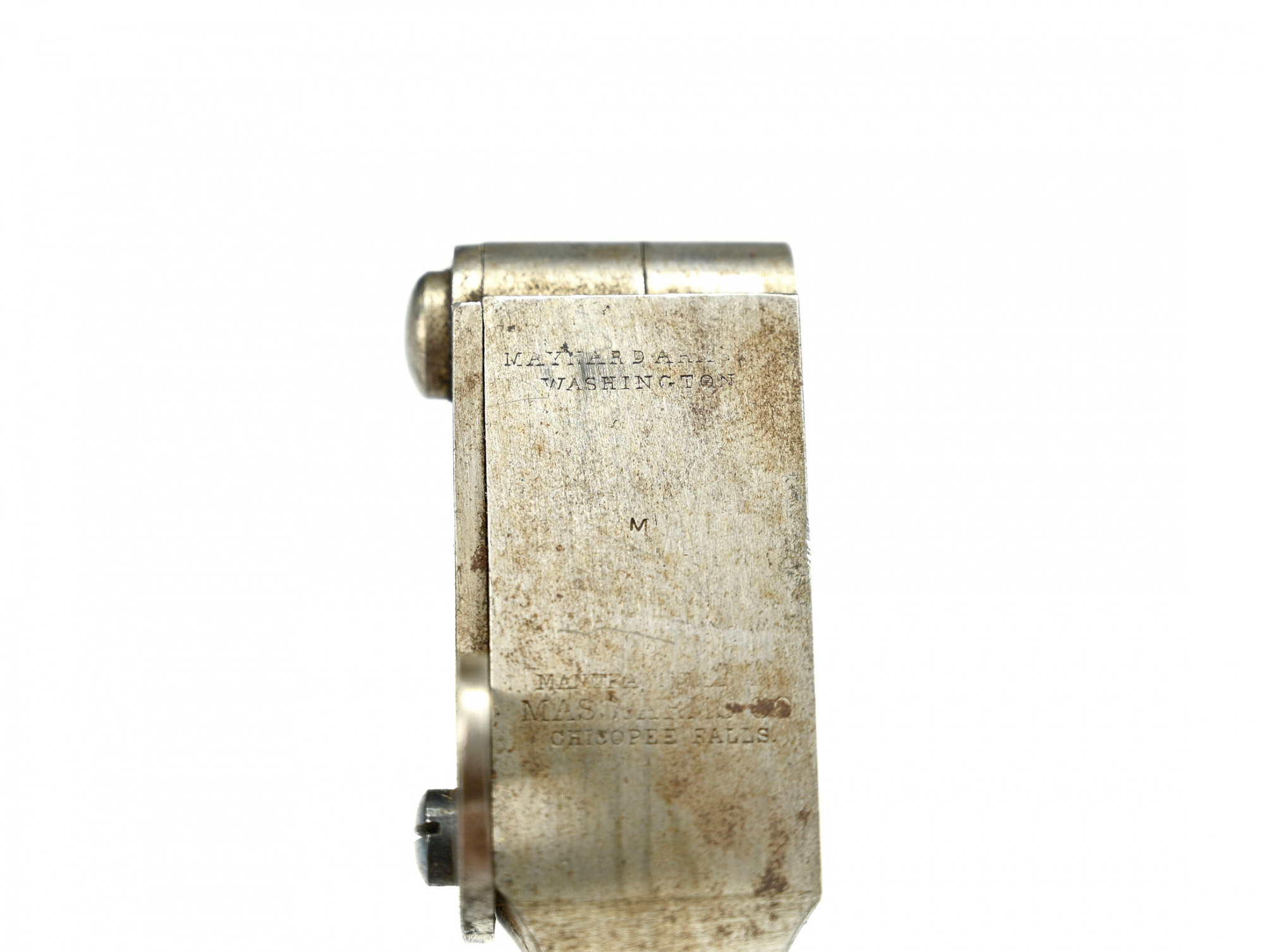
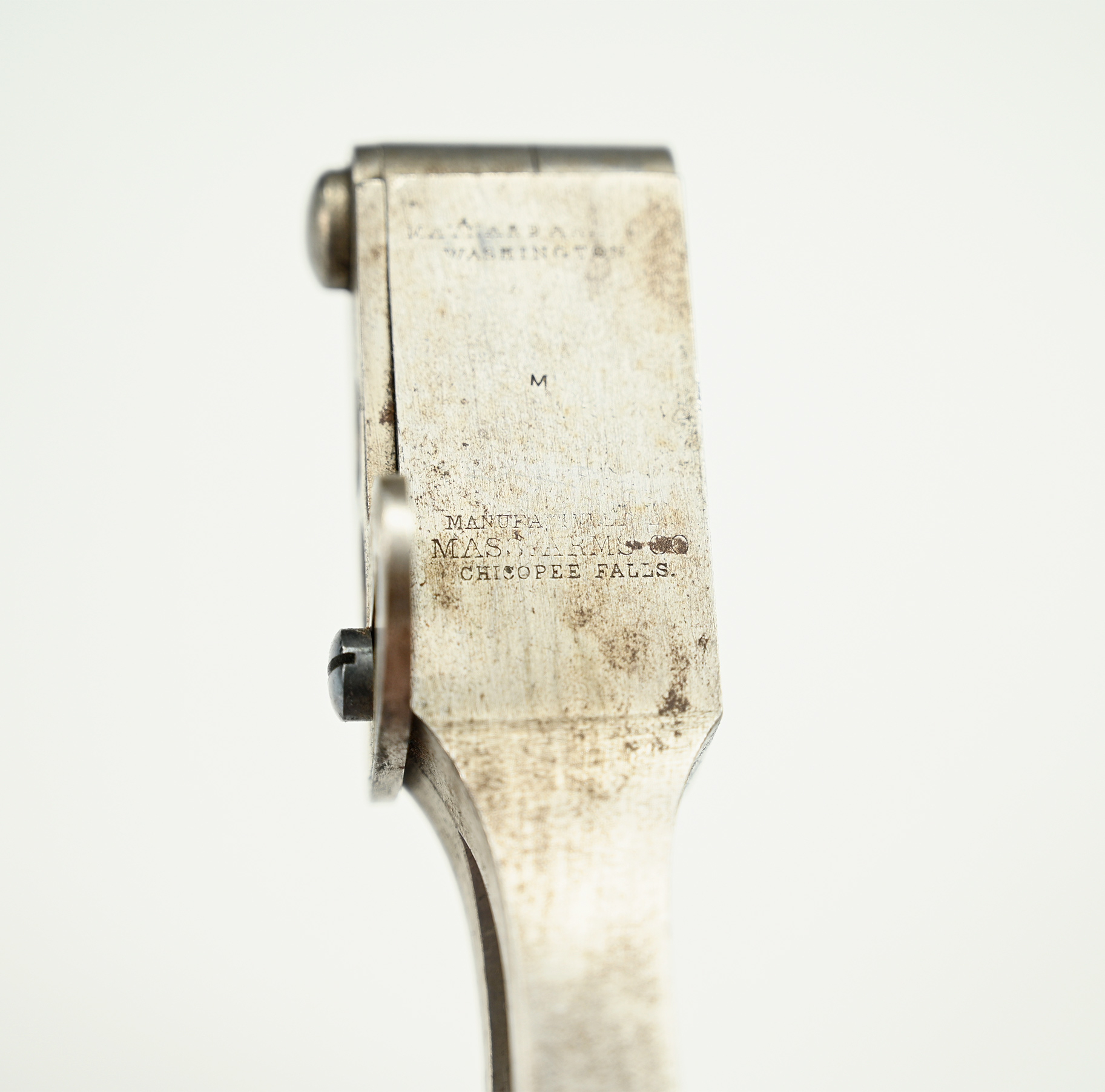
A two-cavity bullet mold marked, “MAYNARD ARMS CO. / WASHINGTON” and “MANUFACTURED BY / MASS. ARMS CO / CHICOPEE FALLS” is specifically for the .50 caliber barrels- producing a single .50 caliber bullet and one smaller buckshot, clearly for the .50 cal. cartridge cases and the appropriate barrels. The marking on the mold is just a tad light on the right of the top line of the Maynard Arms stamp. The metal is smooth, showing bright blue on the screw, otherwise a muted steel gray with some thin brown stains.
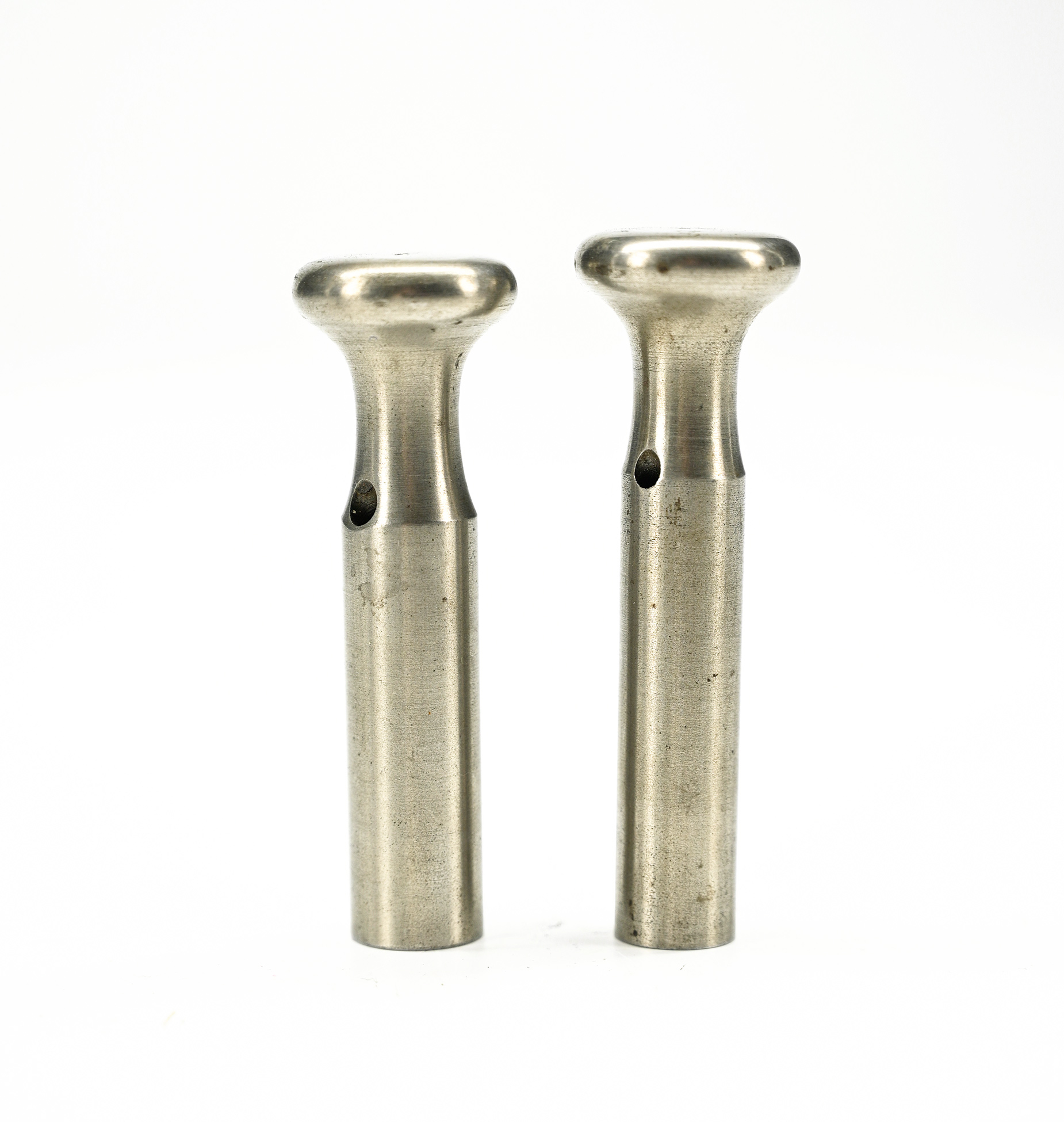
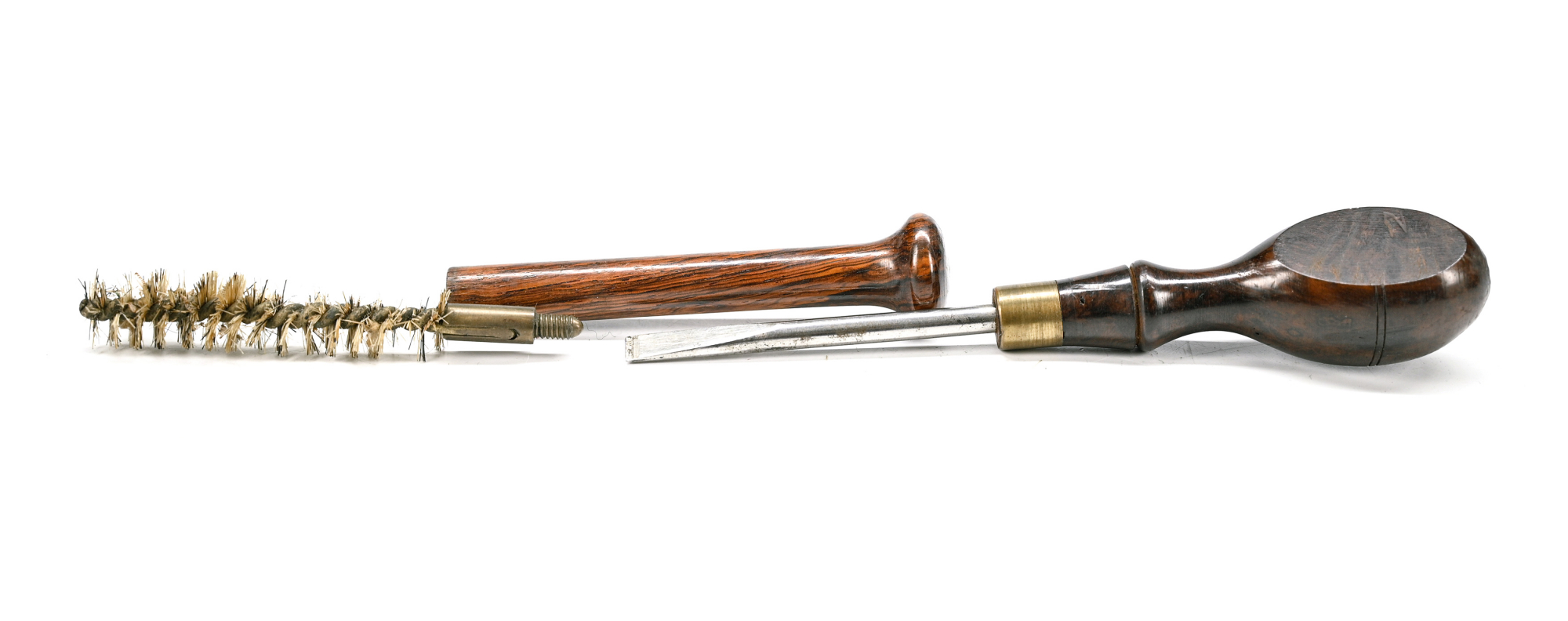
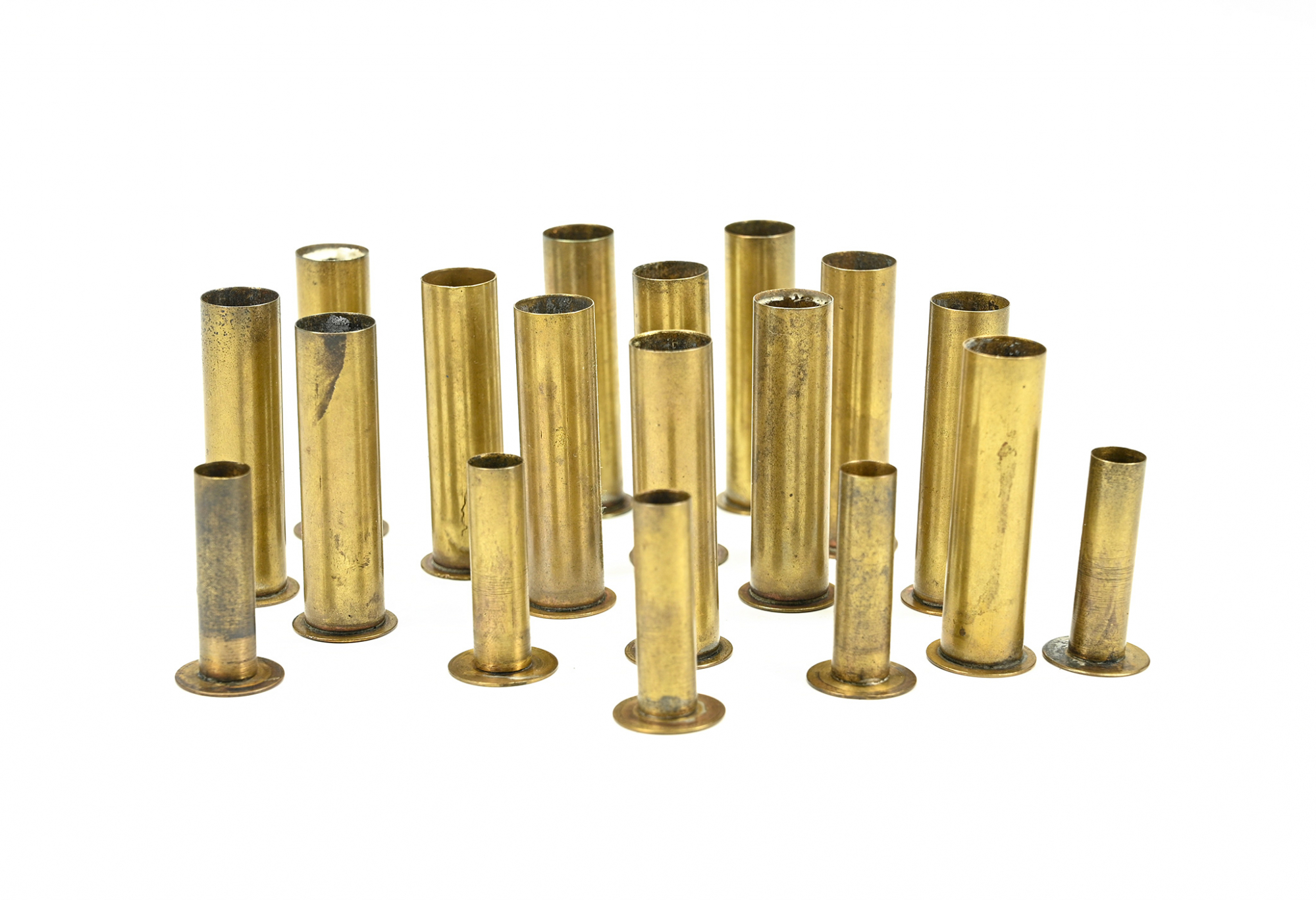
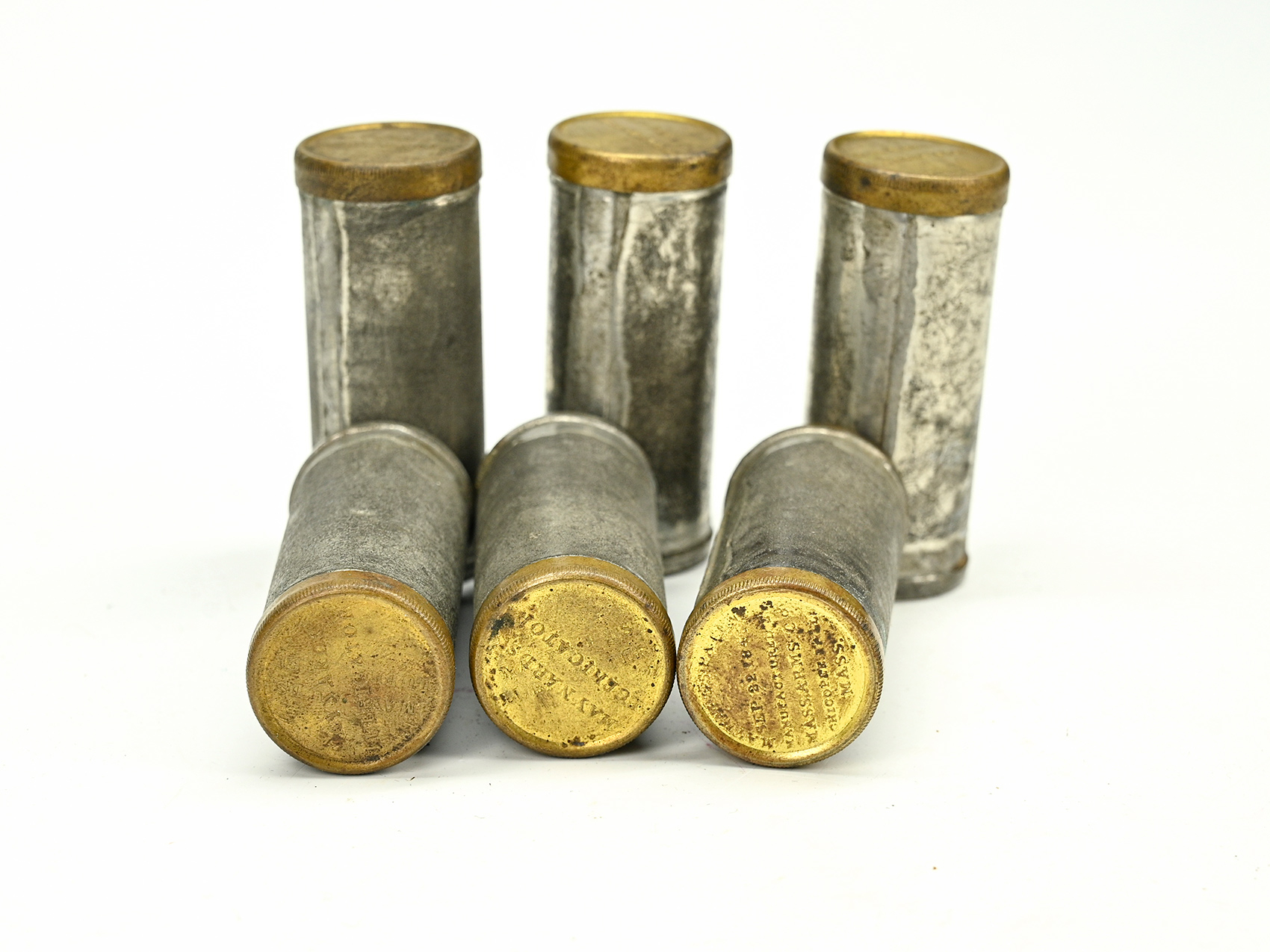
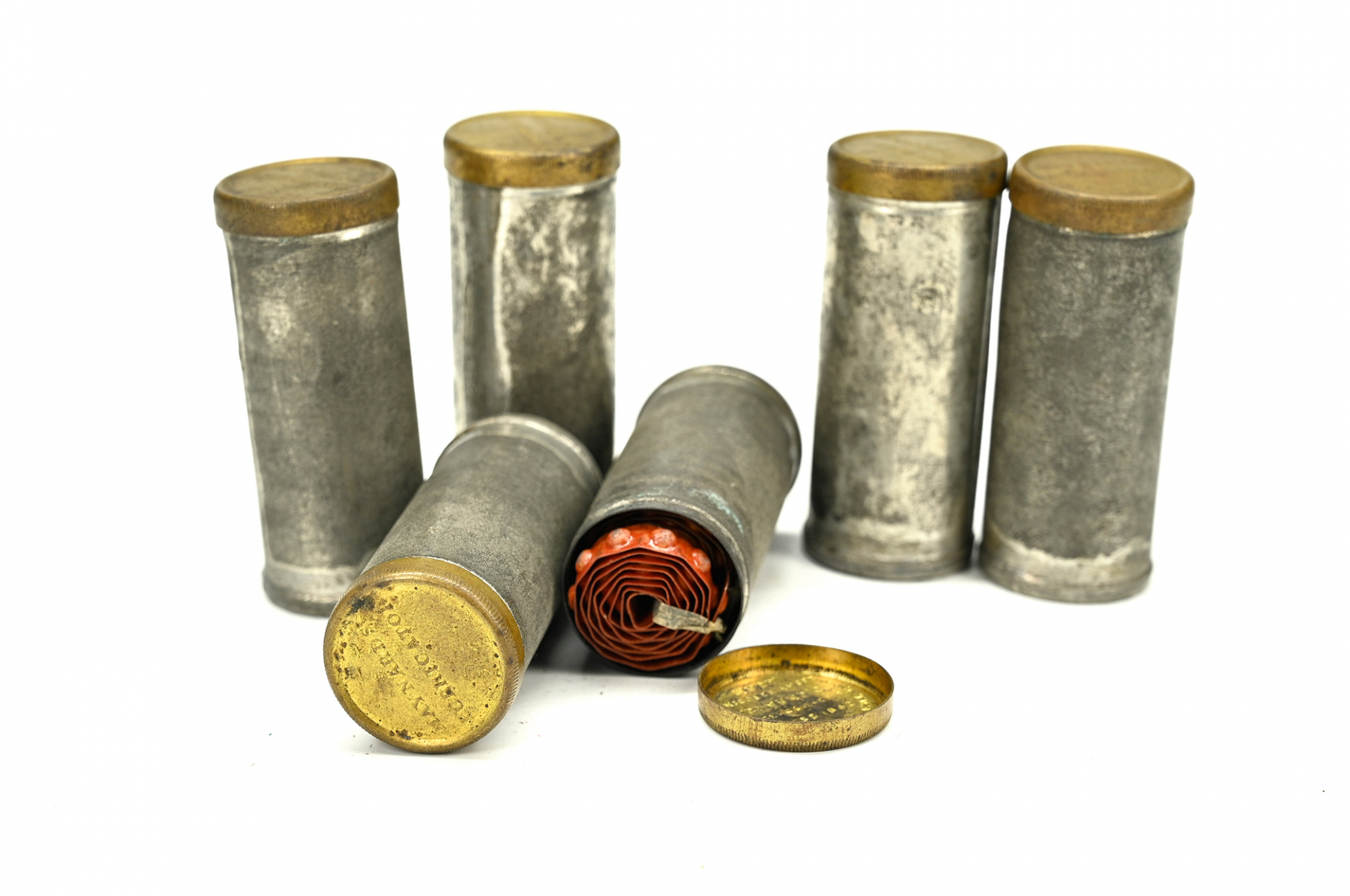
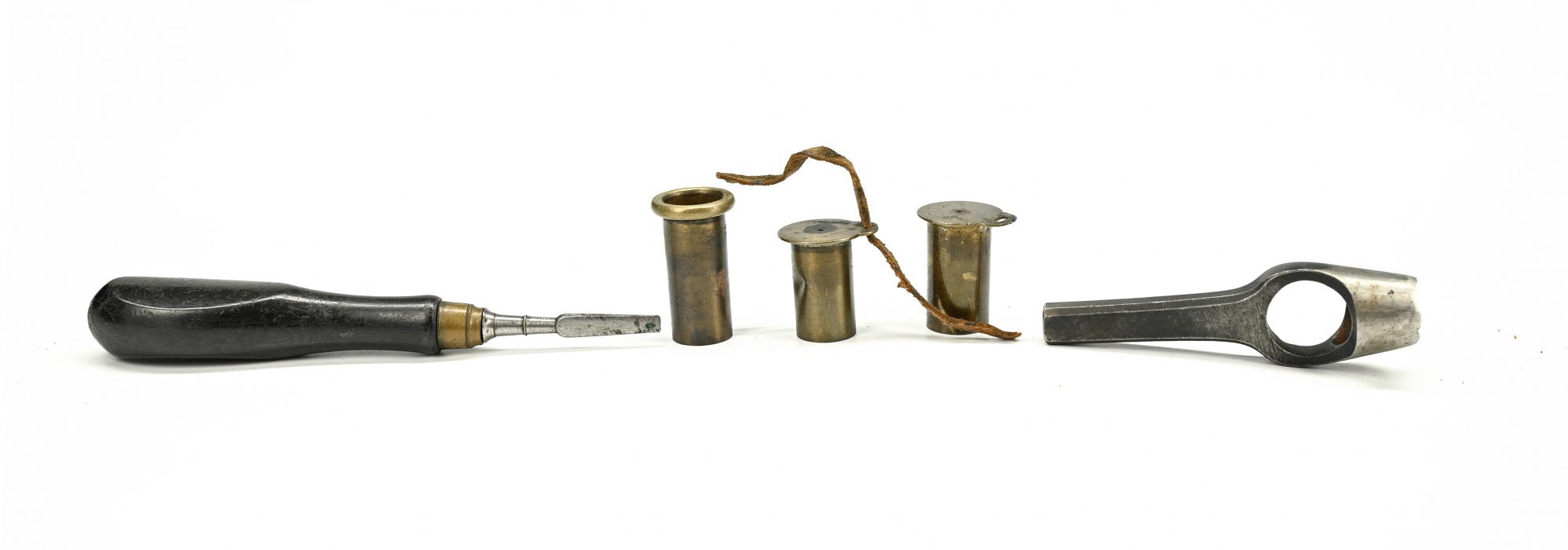
There are six good .35 cal. and fourteen good .50 cal. Maynard cartridge cases (one .35 and three .50 are missing their bases,) four tins of Maynard tape primers, with Maynard patent marks on the brass tops, and five brass-topped tins of “Maynard Lubricator.” Three of the primer tins are full. One is missing one roll. The lubricant tins have the old, now caked, lubricant of varied color inside. Cleaning and reloading accessories include a three-piece wood cleaning rod with brush; two screw drivers; steel and wood reloading rams and a wad punch.
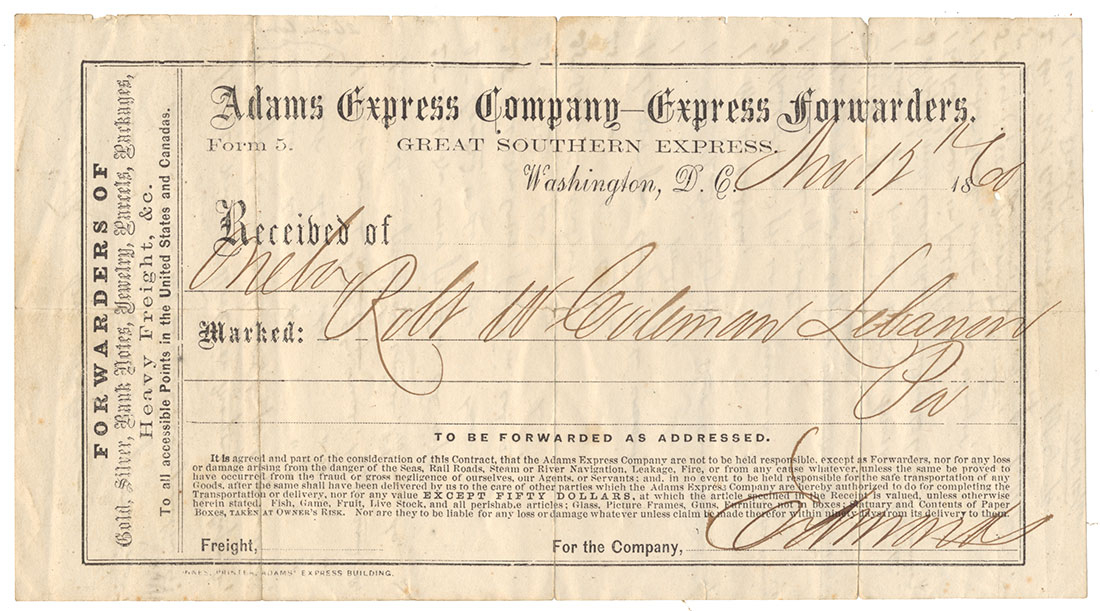
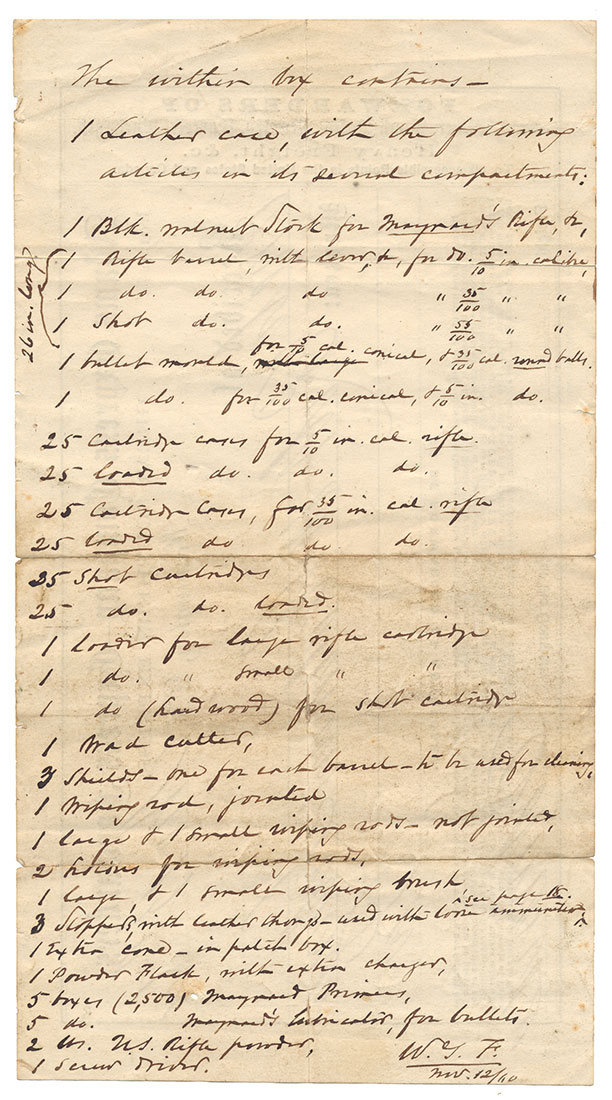
With this is an Adams Express Company shipping receipt dated November 12, 1860, indicating this set was shipped to “Robert W. Coleman, Lebanon, Pa.” On the reverse the shipping agent actually listed the contents of the shipping box: “The within box contains 1 Leather case, with the following articles in its several compartments: . . . ” followed by a complete itemization. The leather carrying case is in good condition, though missing a carrying handle on one edge, showing embossed designs and bound edge to the closing flap. Please see our photos for both the objects and this receipt.
Coleman (1823-1864) was a wealthy Pennsylvania mine owner and iron manufacturer who had inherited the Cornwall Iron Ore Banks, the Cornwall and Colebrook Furnaces, and the Speedwell Forge. Among other accomplishments, he was builder of the North Lebanon and Cornwall Railroad and well regarded for his quiet philanthropy. An obituary states he was a West Point graduate and had acted as volunteer aide to McClellan on the Peninsula, though we find no records of either, and that he was personal friends with both Winfield Scott and McClellan. The former is an interesting connection in that contemporary advertisements sometimes quoted his approval the Maynard as, “the most beautiful piece of mechanism I ever saw.” In the 1850 census Coleman listed his profession as “none;” in the 1860 census he is called an “iron master.” Other sources refer to him simply as a “gentleman.” He clearly had a good deal of leisure, money, and taste. [sr][ph:L]
Extra shipping charge required.
DISCLAIMER: All firearms are sold as collector's items only - we do not accept responsibility as to the shooting safety or reliability of any antique firearm. All firearms are described as accurately as possible, given the restraints of a catalog listing length. We want satisfied customers & often "under" describe the weapons. Any city or state regulations regarding owning antique firearms are the responsibility of the purchaser. All firearms are "mechanically perfect" unless noted, but again, are NOT warranted as safe to fire.
~~~~~~~~~~~~~~~~~~~~~~~~~~~~~~~~~~~
THIS ITEM, AS WITH ALL OTHER ITEMS AVAILABLE ON OUR WEB SITE,
MAY BE PURCHASED THROUGH OUR LAYAWAY PROGRAM.
CLICK HERE FOR OUR POLICIES AND TERMS.
THANK YOU!
Inquire About WONDERFUL CASED FIRST MODEL MAYNARD: THREE BARRELS, ACCESSORIES, NOV. 1860 NAMED SHIPPING RECEIPT LISTING CONTENTS, FINE / NEAR EXCELLENT CONDITION!
Most Popular
Historical Firearms Stolen From The National Civil War Museum In Harrisburg, Pa »
Theft From Gravesite Of Gen. John Reynolds »
Selection Of Unframed Prints By Don Troiani »
Fine Condition Brass Infantry Bugle Insignia »
Rare Identified 65Th Ny Sergeant’s Jacket, With Manscript Material: 1St U.s. Chasseurs »
featured item
RARE EBERLE 1796 CONTRACT MARKED BAYONET
This rare bayonet is marked by the maker in a sunken cartouche with raised letters on the base of the blade reading “Eberle.” Charles Louis Eberle emigrated to the U.S. from Germany with brothers George A. and Henry J. in 1794, arriving in… (1052-86). Learn More »
site search