

site search
online catalog
IDENTIFIED COLT ARMY & HOLSTER: MAJ. L.W. BRADLEY, 64th NY, FOUR TIMES WIA, REGIMENTAL COMMANDER JULY 3, 1863 TO MAY 12, 1864: GETTYSBURG TO SPOTTSYLVANIA
Hover to zoom
$5,500.00 SOLD
Quantity Available: None
Item Code: 490-7588
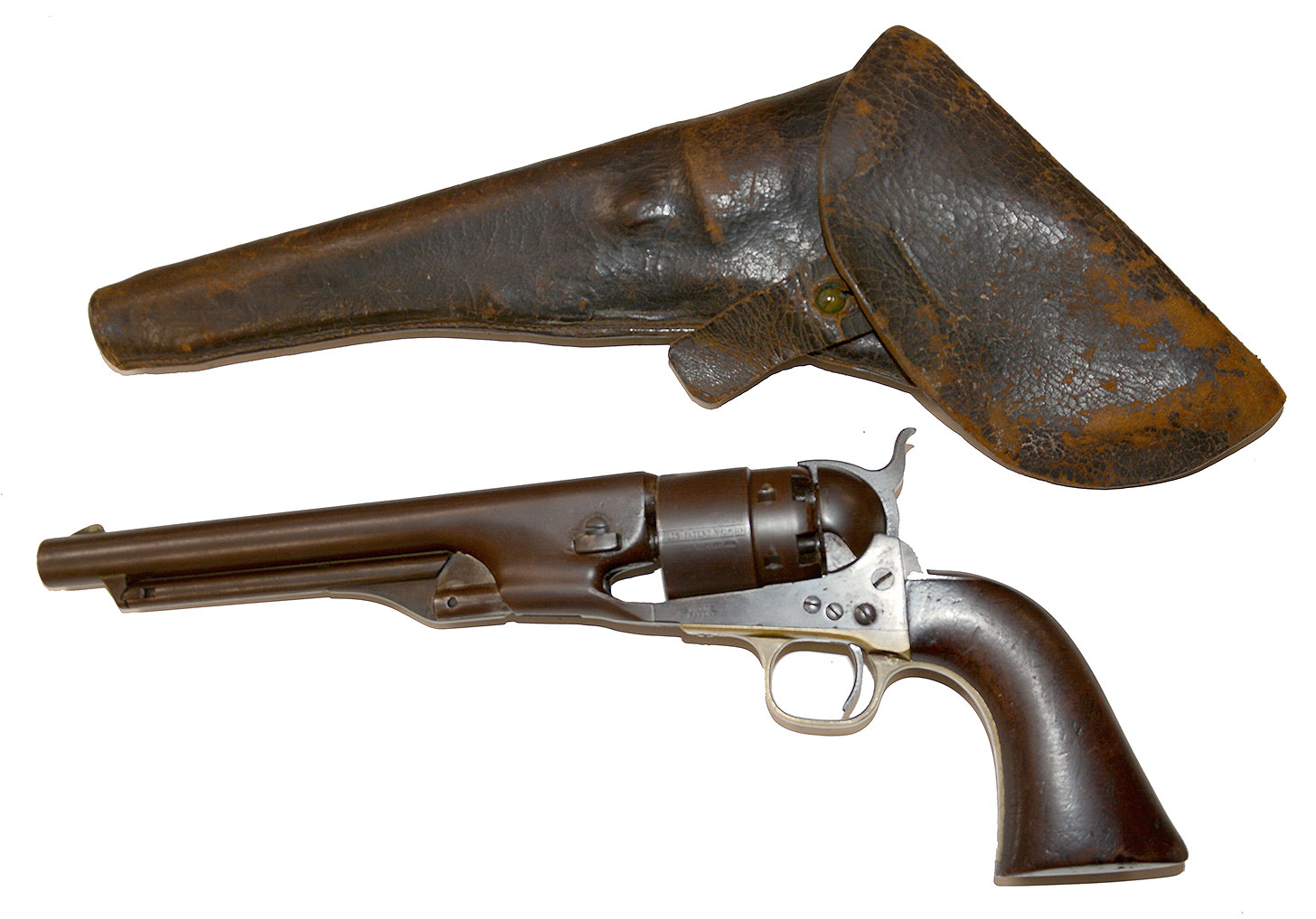
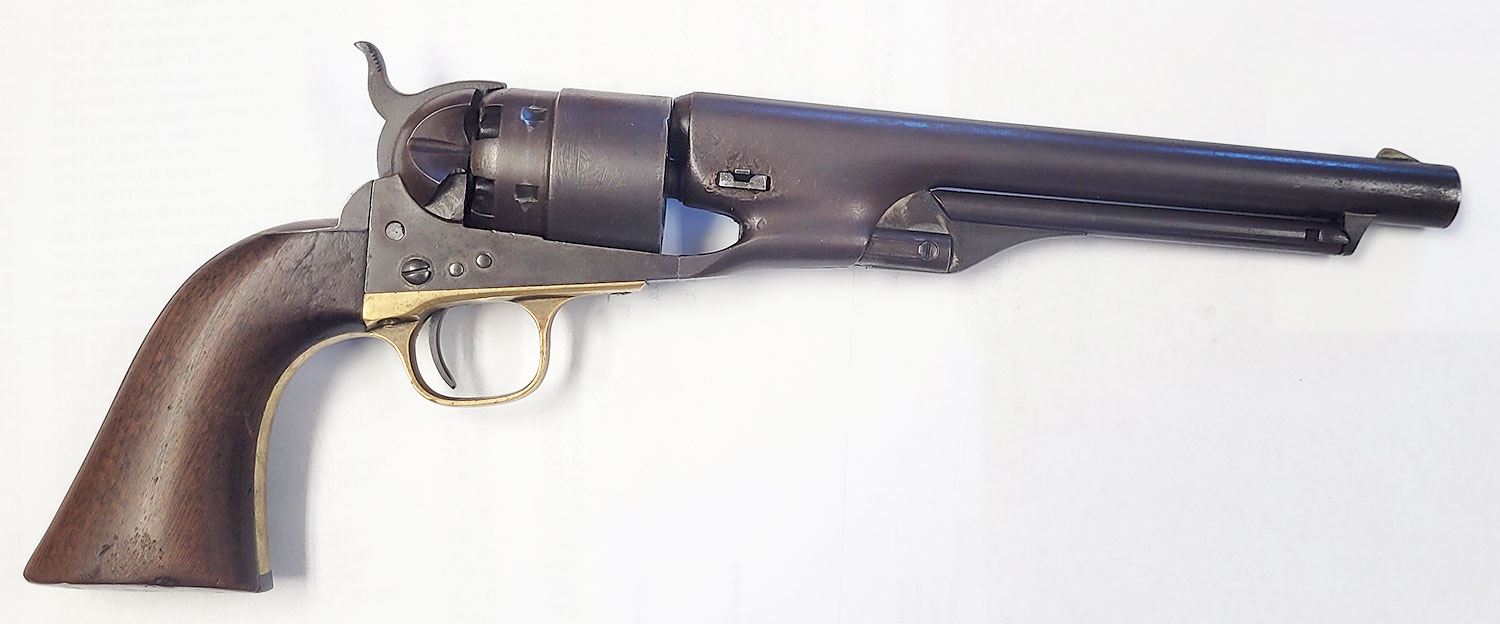
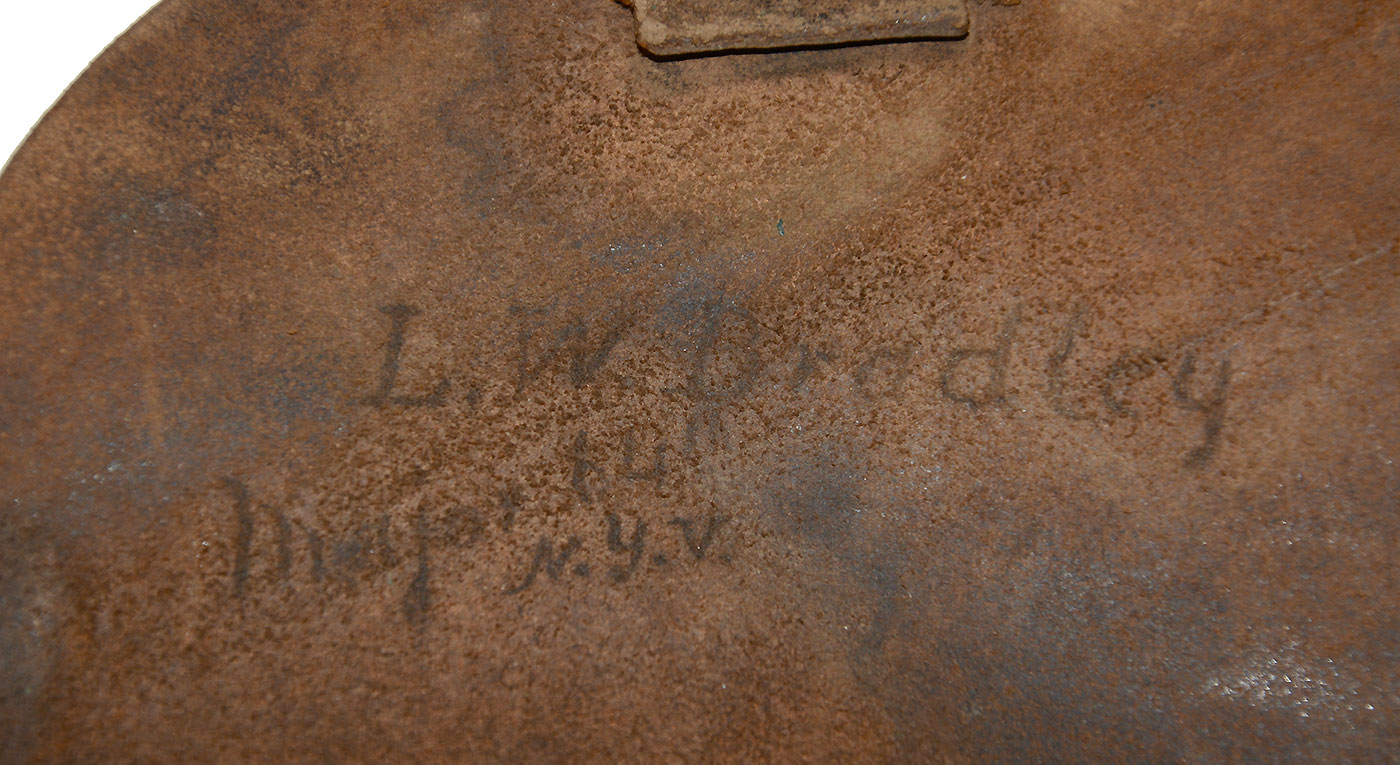
A very good condition early war Colt M1860 .44 Army Revolver with its original holster nicely identified by the officer in period ink: “L.W. Bradley / Major 64th / N.Y.V.” Leman W. Bradley served with the regiment beginning in December 1861 and was commissioned and mustered Major in November 1862 with rank from July 12, 1862. The pistol was manufactured in early 1862 and fits with his service as Major. He had served earlier as 1st Lieutenant and Captain, line officers serving on foot for whom a .44 Colt Army would have been a heavy personal sidearm to lug around, but as a Major, serving mounted, it was more practical, though we cannot discount the possibility he acquired and wore it earlier, during the Peninsula Campaign and even in action at Fair Oaks on June 1, 1862, where he was first wounded, only putting his name in the holster later, perhaps with pride in his promotion to field grade. Indeed, his name is neatly done in large letters in the first line of the inscription, perhaps done when first acquired,, and his rank, etc., is done less neatly, in slightly smaller letters.
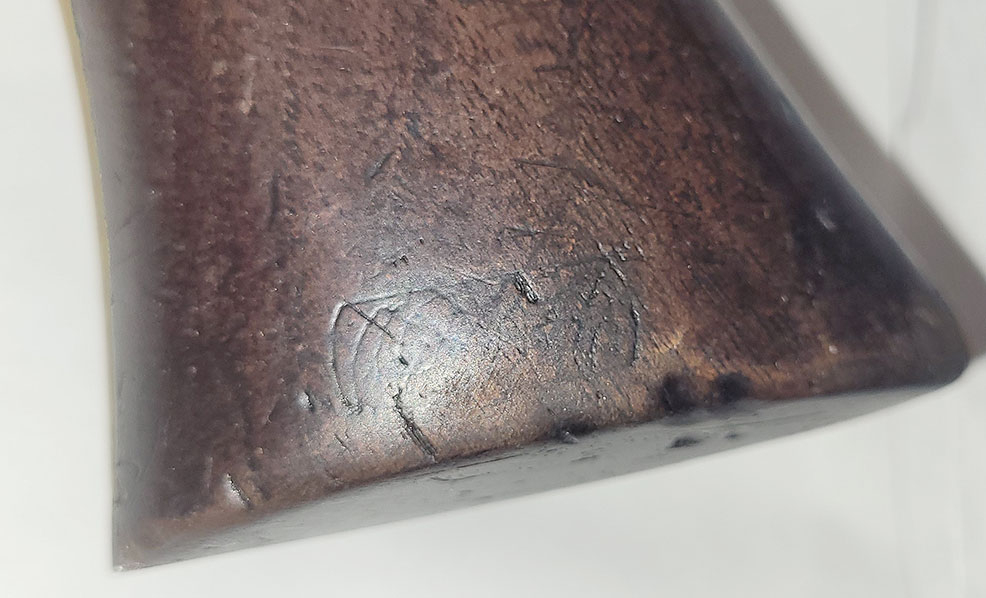
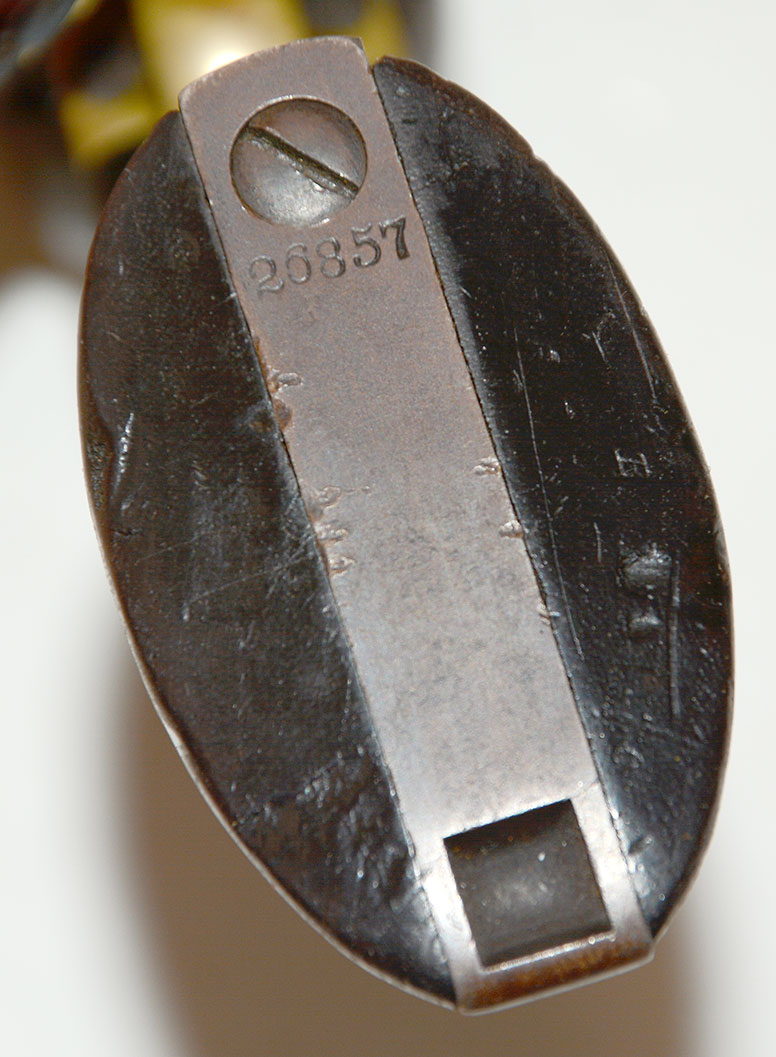
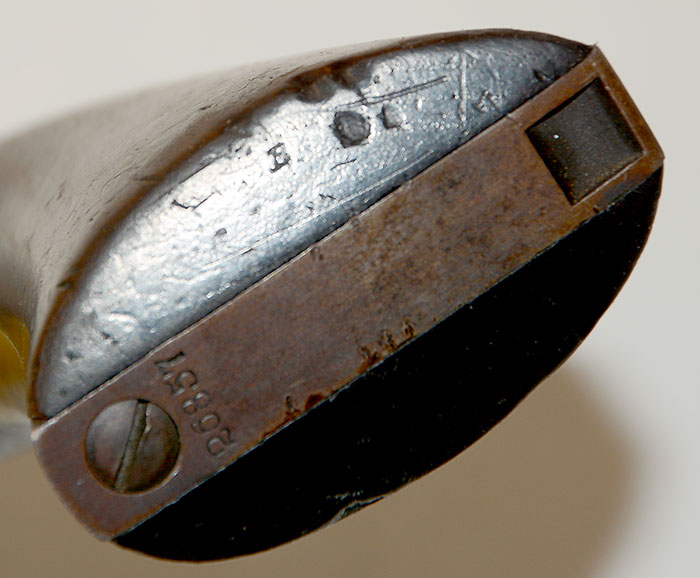
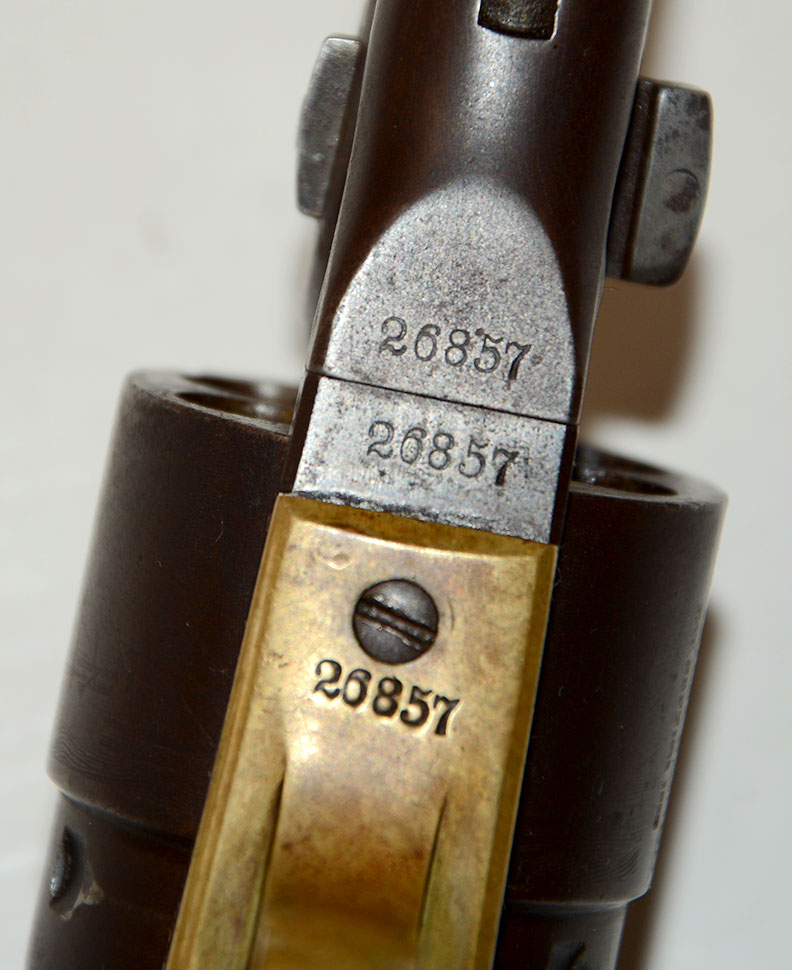
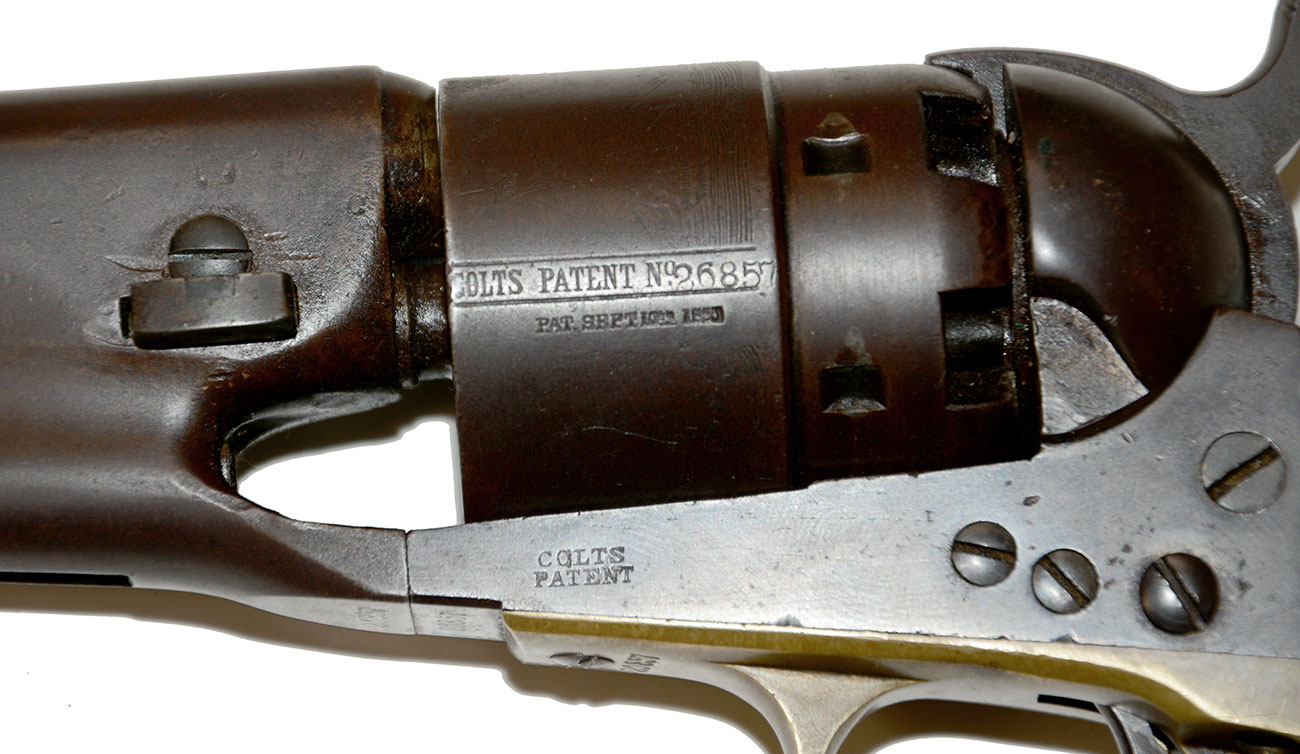
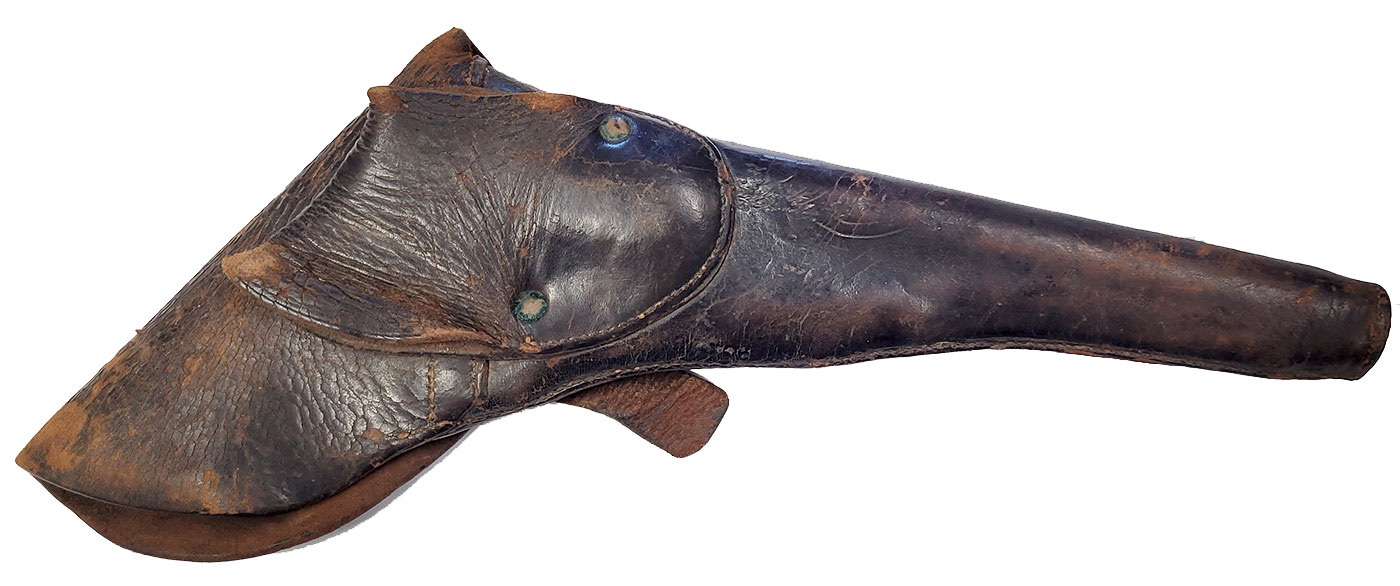
The pistol is serial #26857, dating it to early 1862, and shows a worn inspector’s cartouche on either grip indicating it was a government pistol. Both the date and government ownership fit the holster as well, which shows the standard military configuration with full flap, positioning the pistol butt-forward on the wearer’s right, with the early-war form-fitting shape, with the latch tab secured by a single, straight line of stitching and the belt loop sewn and reinforced by just two rivets. Officers, of course, we expected to buy their own arms from the factory or dealers, but could purchase government weapons at regulated prices, though as Pate (The Colt Model 1860) notes, there are many instances of officers, volunteer officers in particular, managing to acquire government arms by one means or another, though being called to account if ordnance officers got wind of it.
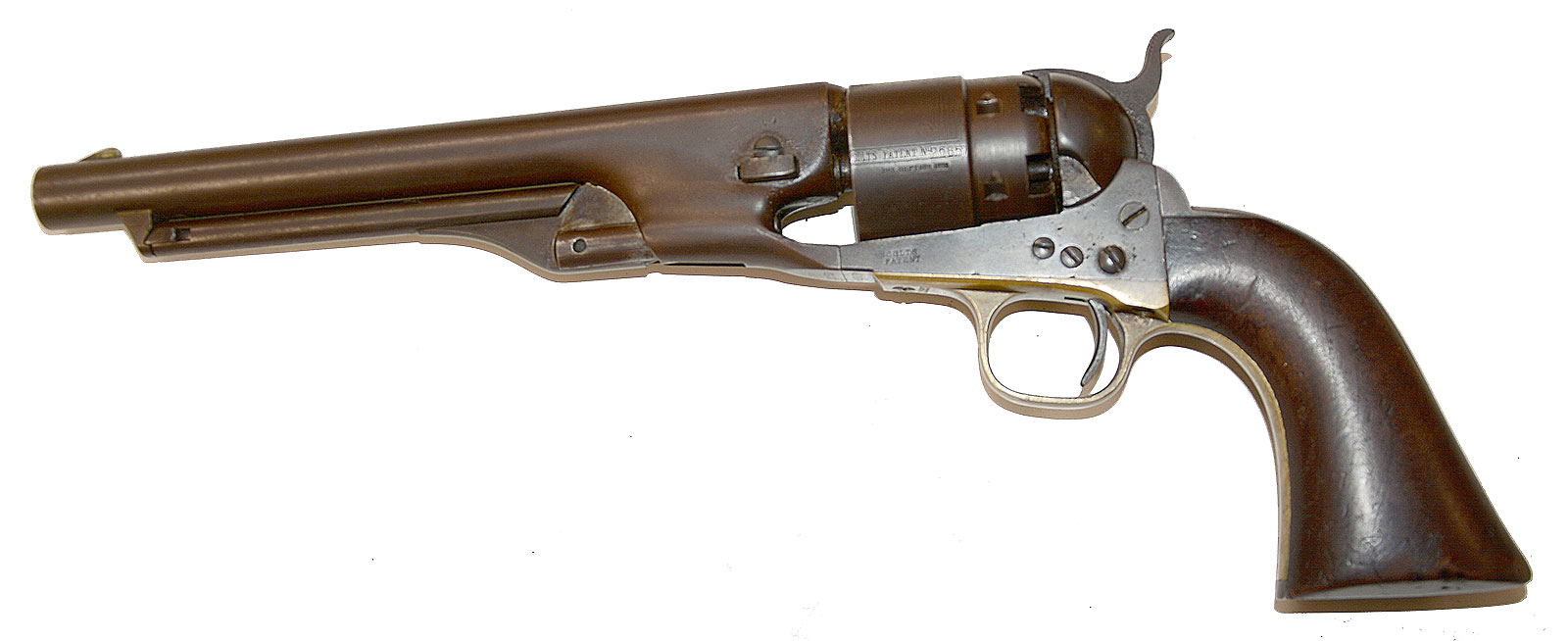
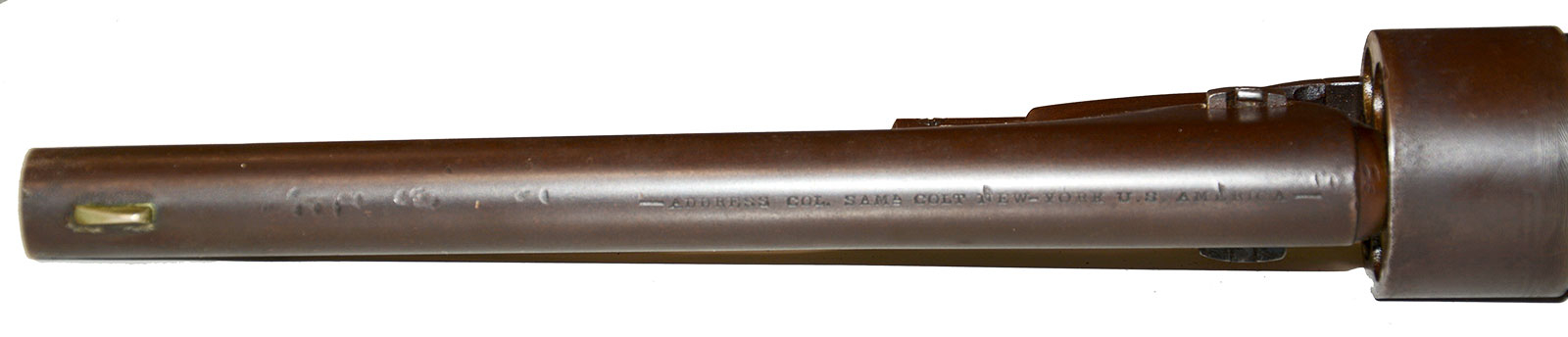
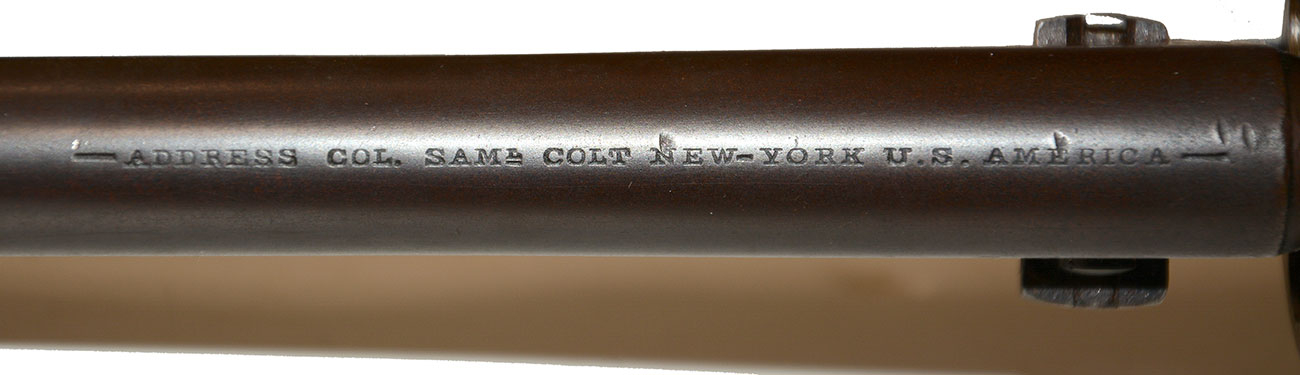
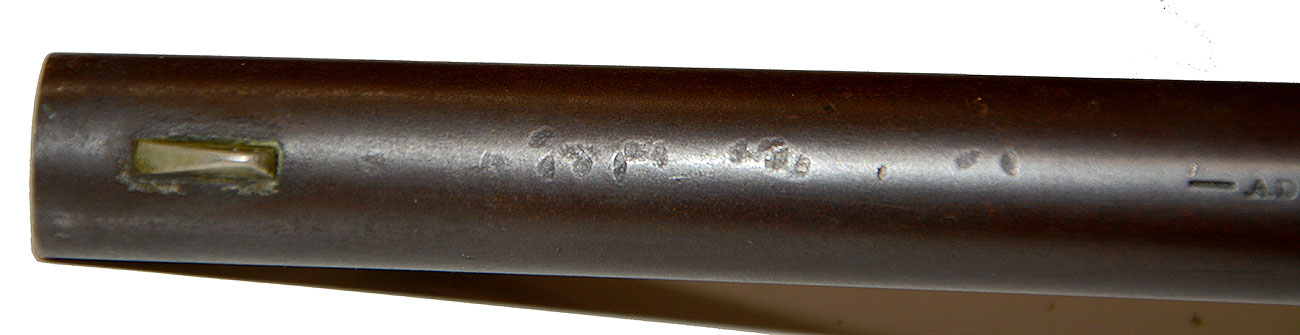
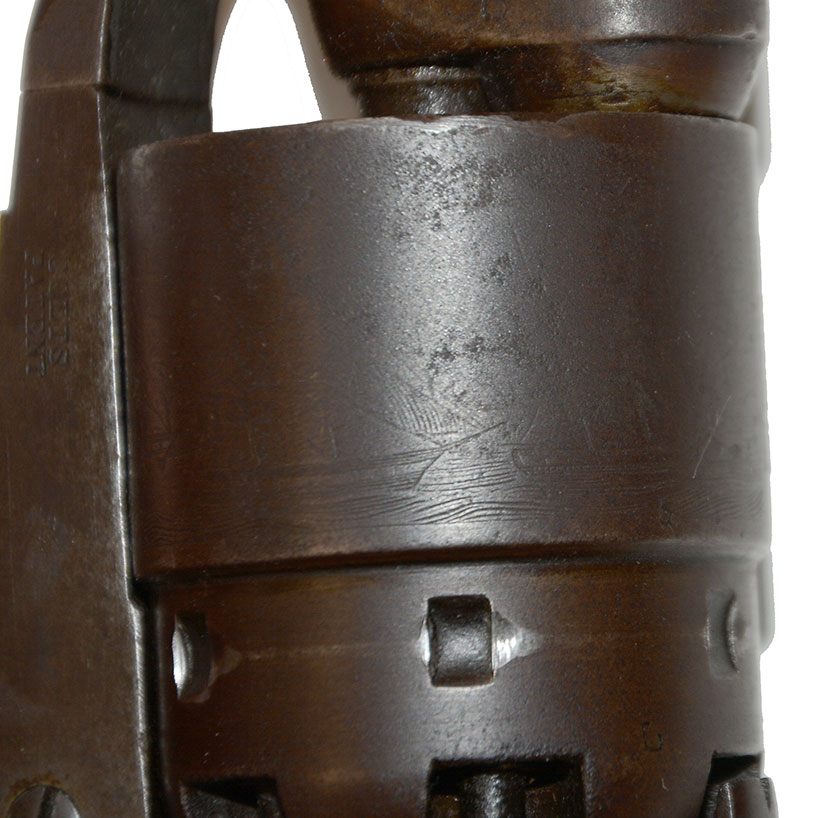
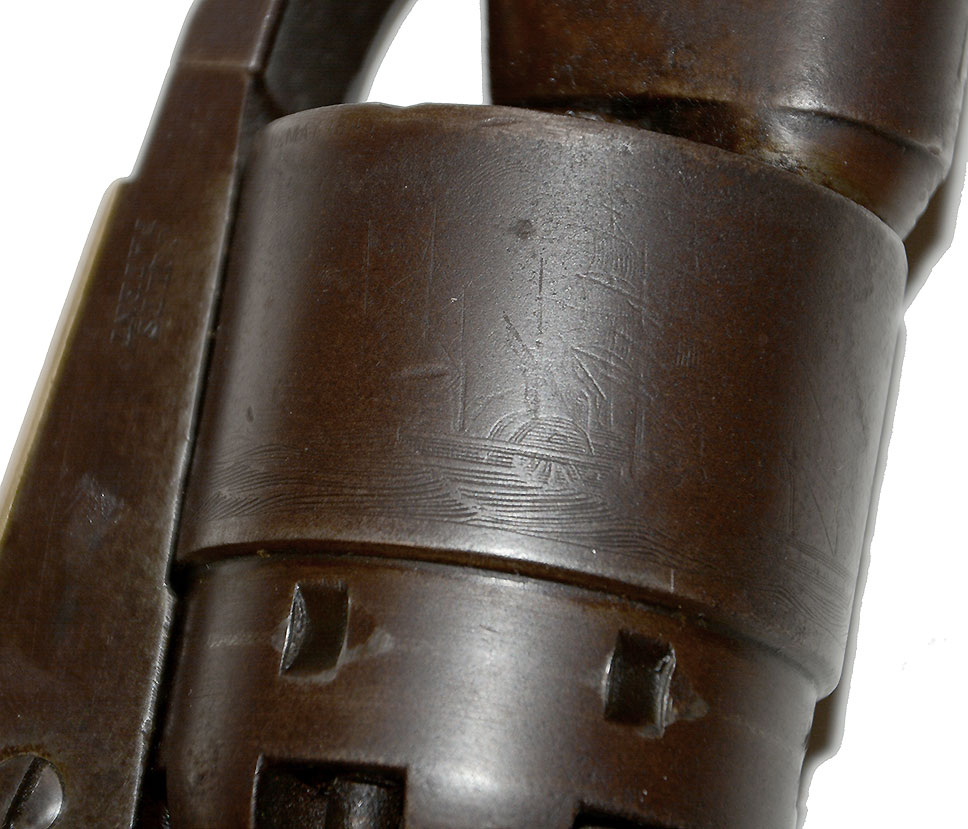
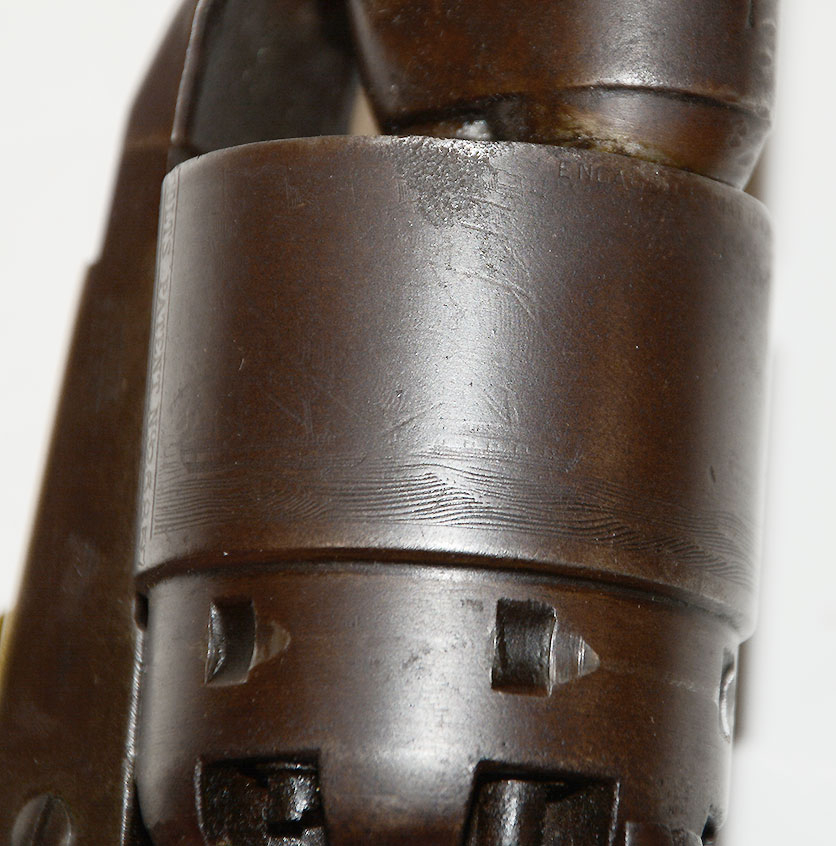
The pistol is complete and all original, rating very good for condition, showing just appropriate wear. It is a four-screw model, showing the expected notch in buttstrap and cutouts on the lower recoil shield, an 8” barrel and good mechanics. The metal is smooth and the wood has a tight fit. Serial numbers all match. The markings are correct and sharp: -ADDRESS COL. SAML COLt NEW-YORK U.S. AMERICA- on the barrel, COLTS /PATENT on the left frame, and with sharp cylinder marks as well- COLTS PATENT No. 26857 between two lines with the smaller patent date beneath. The barrel shows a few shallow dings along the top between the front sight and barrel address, with just two touching the tops of letters in the address, and some light marks around the wedge on the left and some shallow dings on the left, typical from tapping out the wedge to disassemble and clean the revolver. Substantial portions of the cylinder scene are visible, though there is some wear from use. There are just a couple of spots of very shallow corrosion on the cylinder and a couple of broad dings to its front edge. The nipples show expected light corrosion.
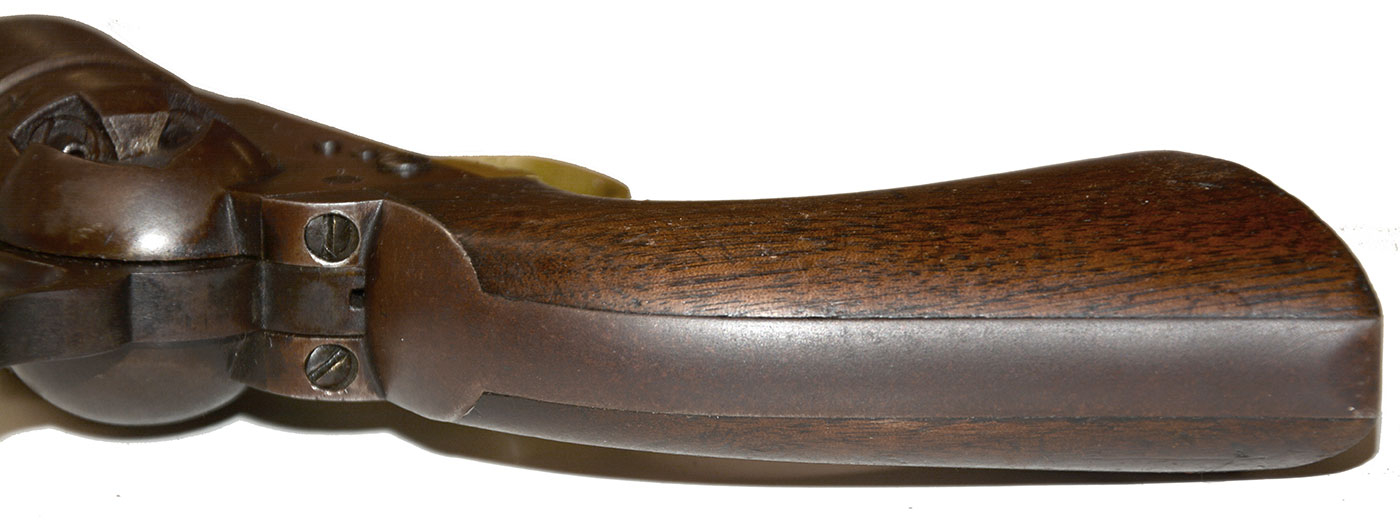
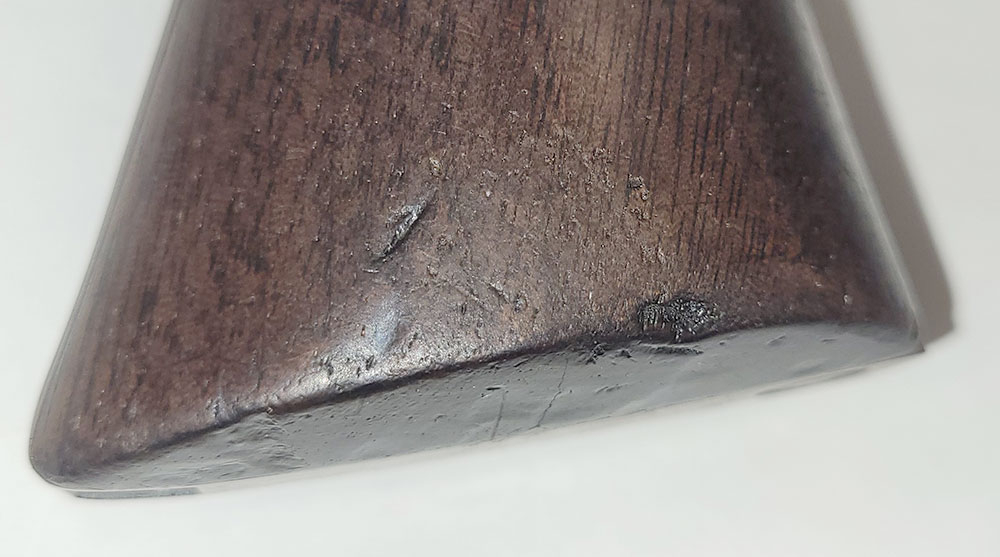
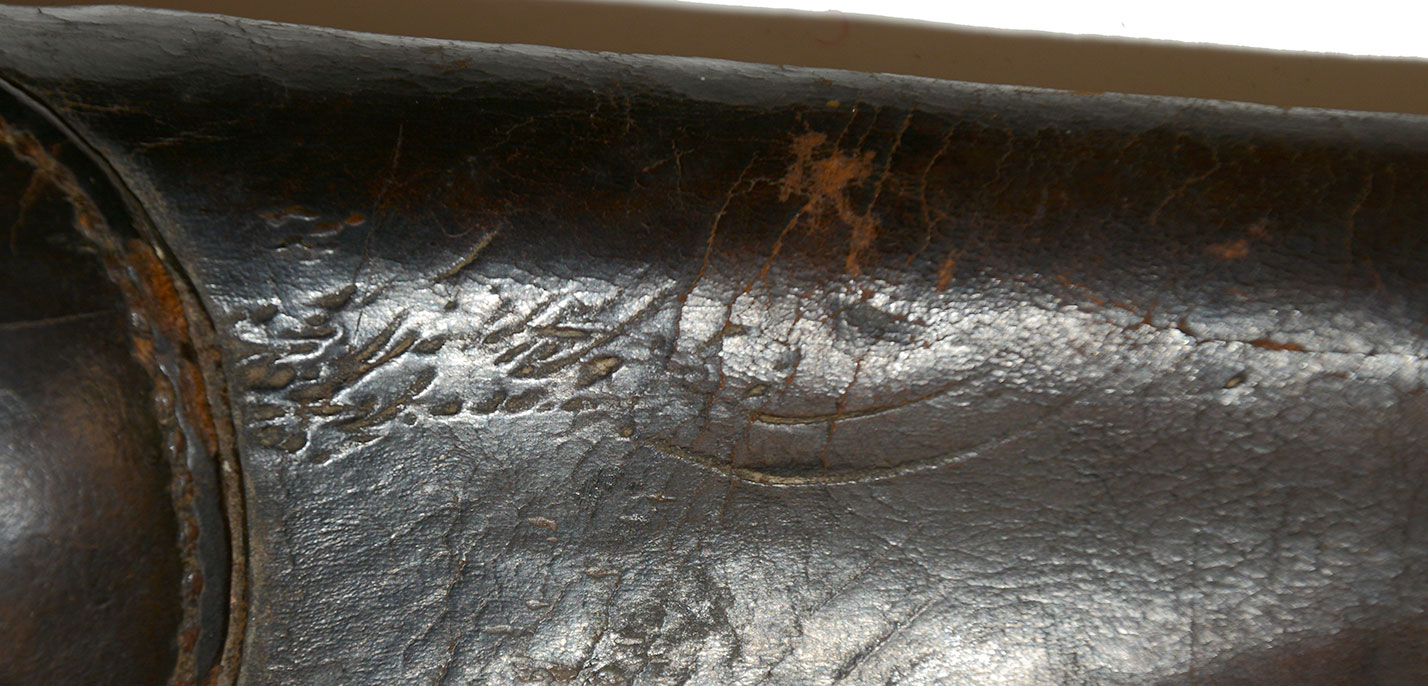
The barrel shows very good coverage of blue-turned-plum brown. The loading assembly shows some faint case color mixed in, and the frame shows some thin, mottled blues of case color as well. The trigger and hammer show some faint blue. The cylinder matches the barrel in showing a thin brown. Some of the screws show a faint blue. The backstap is a thin brown with the screws at the shoulders showing a deep blue, and some blue tone showing through the plum color on the buttstrap. The brass has a medium, aged tone with some scattered thin brown age stains. The grips have a tight fit and good edges. The color and finish is good, though with some shallow scratches and dings on the butt flat and top and bottom of the sides where they obscure one of the cartouches and leave the other visible but only partially legible.
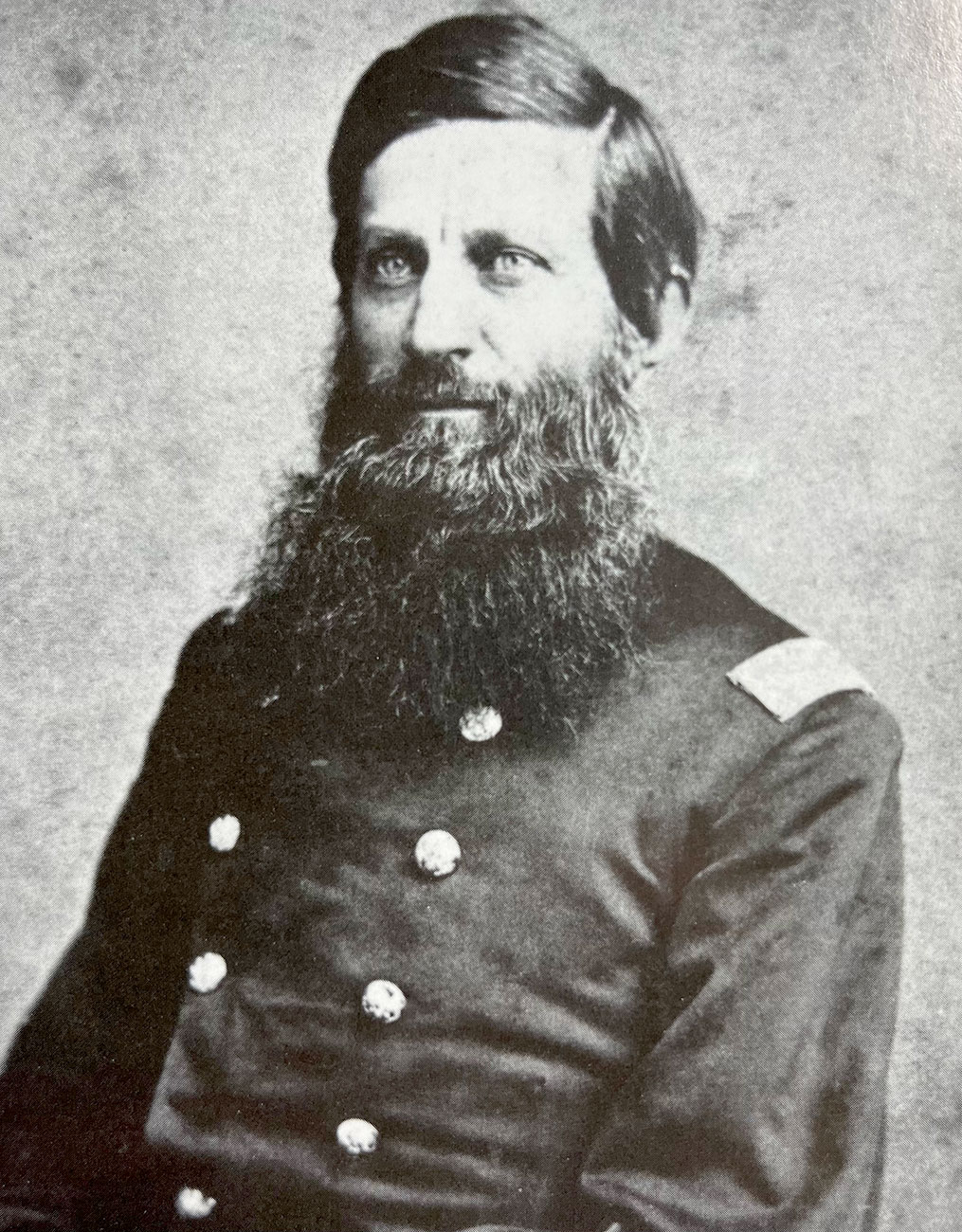
Born in Connecticut in 1820, Bradley was a dealer in cutlery in Hudson, N.Y, when the war started and enrolled early - April 30, 1861 - serving as a First Lieutenant in the 14th NY Vols, until discharged for disability on Sept. 24, 1861, though the special order announcing it says rather vaguely he was discharged, “for reasons assigned by his regimental commander…” In any case, three months apparently sufficed to recover and he obtained a new commission dated Dec. 23, 1861, giving him rank as First Lieutenant of Co. H of the 64th NY Vols. effective the same date, replacing an officer promoted to Captain, and then just five months later succeeded to that post when that Captain died at Fortress Monroe in April at the beginning of the Peninsula Campaign. He was thus a company commander when he was wounded in the left arm at Fair Oaks on June 1, the regiment’s first serious engagement, in which they lost 173 officers and men killed or wounded.
He seems to have returned to the regiment in time to take part in Antietam, though we do not have his archive records, where the regiment, consolidated at the time with the 61st NY under Francis Barlow in Caldwell’s brigade for “field maneuvers and camp discipline,” took part in breaking the Confederate line at the Sunken Road. He also returned in time to take part in the maneuvering for promotion to Major in the regiment, open due to resignation of the Colonel and consequent promotions, securing the commission on November 24, giving him rank from July 12, 1862, to the resentment of some fellow officers who regarded him as an outsider, a feeling not lessened when the newly appointed Lieutenant Colonel was wounded at Fredericksburg, where the regiment took part in the assault on Marye’s Heights, and Bradley became the senior officer on duty. Whatever his talent, luck or savvy in army politics, and alleged connections in Albany, however, he seems never to have shied away from a fight. In Spring 1863, the new Colonel (D.G. Bingham) had returned, having recovered from a wound also suffered at Fair Oaks, and the regiment saw significant action at Chancellorsville with Bradley commanding the brigade skirmish line on May 1 and on May 3 taking part in the regiment’s defense of line of entrenchments from repeated Confederate attacks though strung out in a very thin line of defense.
At Gettysburg he was with the regiment as it took part in clearing the Wheatfield on July 2, charging down its center as part of Brooke’s brigade and up the far rise to the Rose Farm, where it held its position until flanked by Longstreet’s en-echelon attack. There Bradley, reportedly wounded slightly in the left arm and right side, found himself again in command after Bingham’s wounding. He consequently commanded the regiment on July 3 and the pursuit of Lee, later receiving a magnificent Tiffany sword presented by the merchants of the city September 6, 1863, bearing an inscription- “for his/Gallantry in Defense of his Country,” (see Thillmann, US Army Swords, p. 522-23.)
Although blocked from further promotion until the resignation or discharge of the Colonel and Lt. Colonel, he continued to command the regiment as Major through the Fall campaigns, including battles at Auburn and Bristoe Station and in the new year was even placed in temporary command of the entire brigade from January 10 to February 12, 1864. Once again in command of the regiment at the outset of Grant’s Overland Campaign, he led them in the fighting at Wilderness and Spottsylvania. In the latter fighting they were in forefront of the assault at Bloody Angle on May 12, over-running the Confederate earthworks in savage fighting where Bradley was yet again wounded, this time in the right arm.
That wound removed him from active field service with the regiment, though not immediately from its rolls. The Lt. Colonel had finally been discharged on May 4, resulting in Bradley’s commission at that rank dated May 27 and effective from May 4, and was finally promoted to senior officer in the regiment with the Colonel’s resignation on July 4. He received a commission at that rank as well, but was never mustered, the regiment being reduced to a battalion in later 1864 and not authorized a Colonel, and was mustered out October 5, 1864.
This is a very good looking revolver with a wonderful identification to an officer with some very active service, to say the least, in the Army of the Potomac. We note that in descriptions of his presentation sword he is sometimes said to have been brevetted brigadier general. We do not find a record of that, but his service record, a wounds received in battle, certainly made him the equal of the officers honored with that rank. [sr][ph:L]
~~~~~~~~~~~~~~~~~~~~~~~~~~~~~~~~~~~
THIS ITEM, AS WITH ALL OTHER ITEMS AVAILABLE ON OUR WEB SITE,
MAY BE PURCHASED THROUGH OUR LAYAWAY PROGRAM.
CLICK HERE FOR OUR POLICIES AND TERMS.
THANK YOU!
Inquire About IDENTIFIED COLT ARMY & HOLSTER: MAJ. L.W. BRADLEY, 64th NY, FOUR TIMES WIA, REGIMENTAL COMMANDER JULY 3, 1863 TO MAY 12, 1864: GETTYSBURG TO SPOTTSYLVANIA
Most Popular
Historical Firearms Stolen From The National Civil War Museum In Harrisburg, Pa »
Theft From Gravesite Of Gen. John Reynolds »
Selection Of Unframed Prints By Don Troiani »
Fine Condition Brass Infantry Bugle Insignia »
Rare Identified 65Th Ny Sergeant’s Jacket, With Manscript Material: 1St U.s. Chasseurs »
featured item
THEFT REPORTED AT AUTUMN GETTYSBURG SHOW
A vendor at the Autumn Gettysburg Civil War show held at the Allstar Events Complex on Oct. 28-29 reported that a Maryland sword belt plate valued at $3500 was stolen from a display case on Sunday afternoon. The Gettysburg Times published a… . Learn More »
site search