


site search
online catalog
10” CONFEDERATE COLUMBIAD CANNON-TREDEGAR IRON WORKS - FORMER TEXAS MUSEUM
Hover to zoom
$75,000.00
Quantity Available: 1
Item Code: 1268-1240
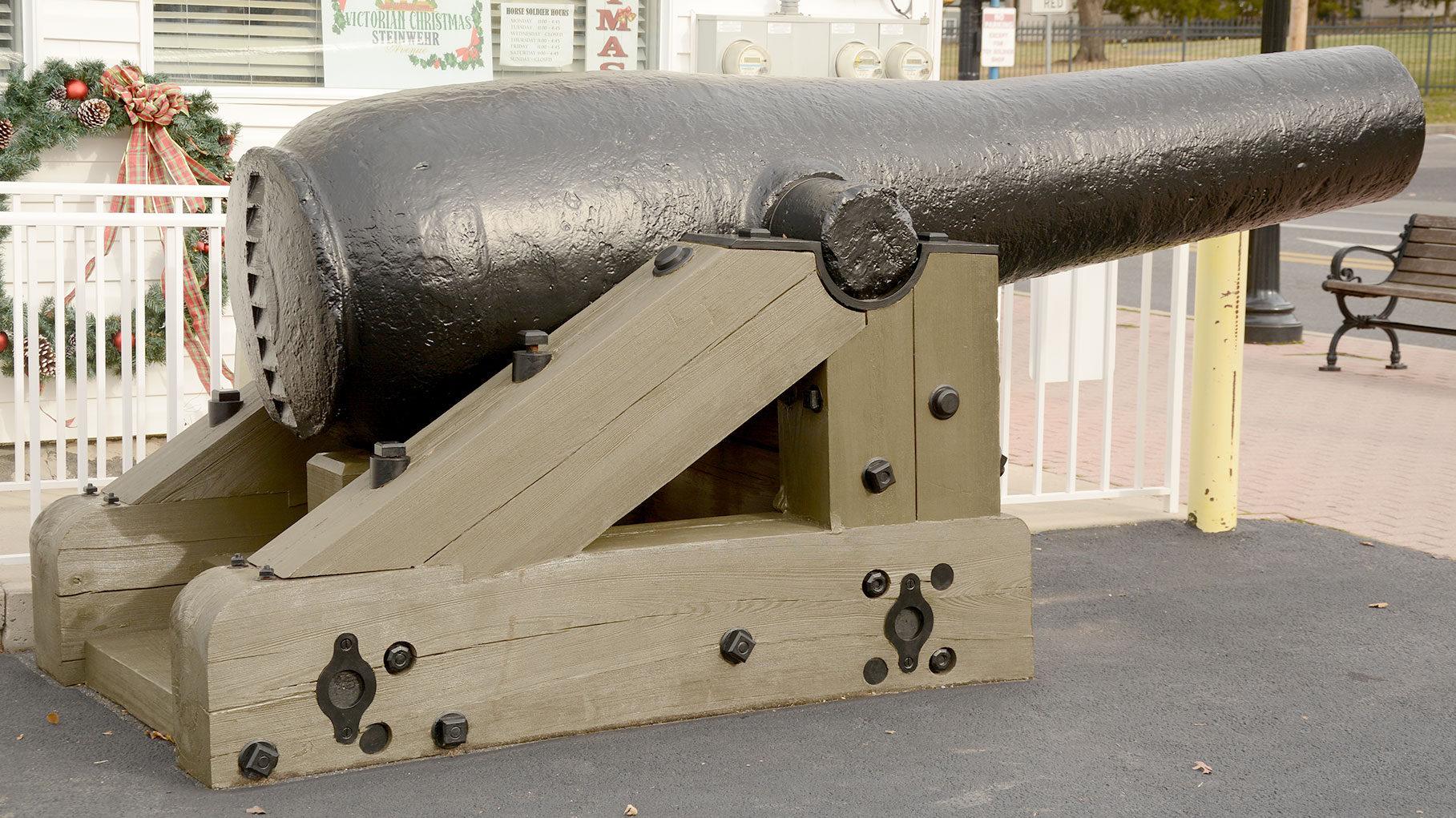
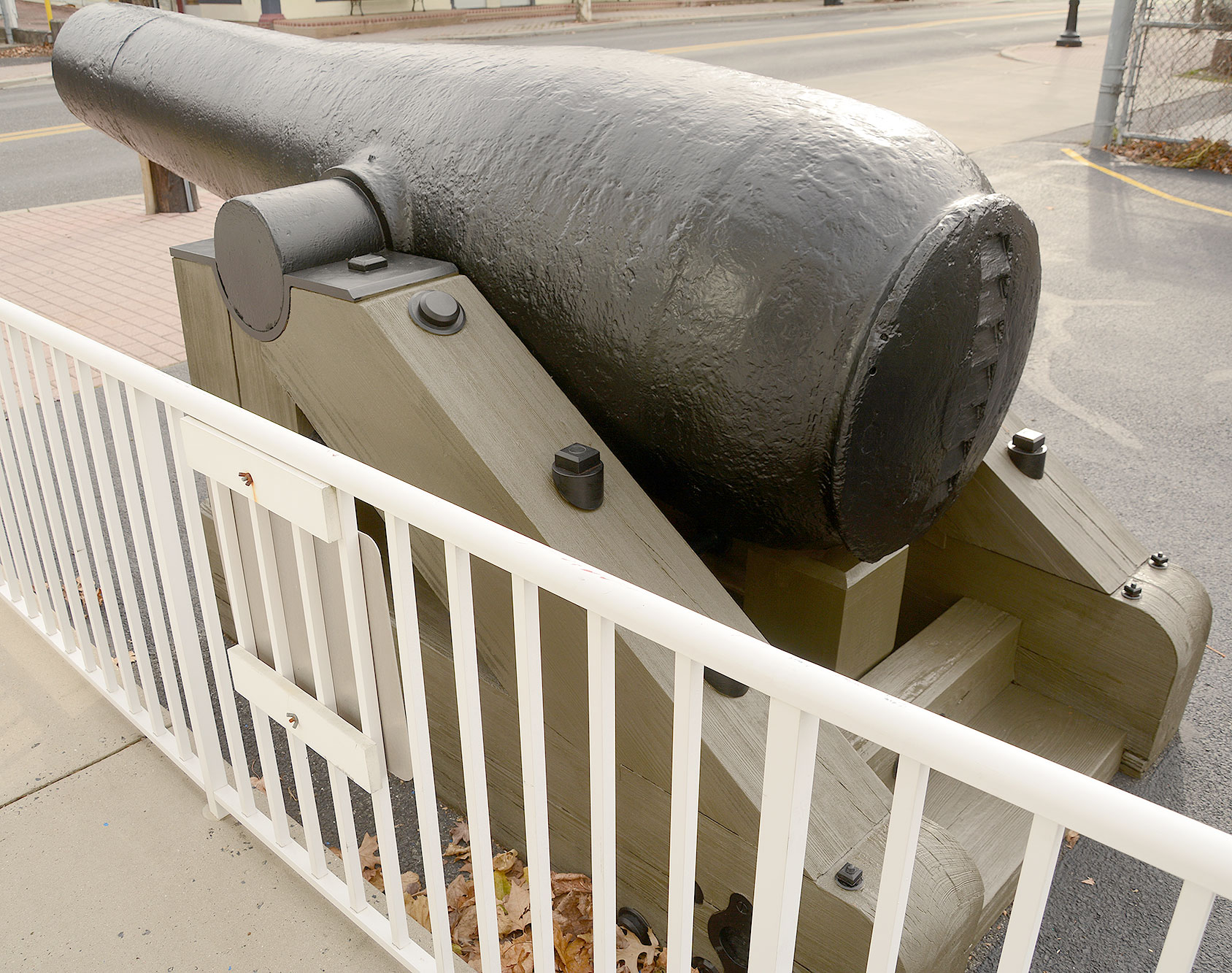
This large cast-iron cannon was produced at the Tredegar Iron Works in Richmond, Va. In 1836, a group of Richmond businessmen and industrialists led by Francis B. Deane, Jr. set about to capitalize on the growing railroad boom in the United States. The group hired Rhys Davies, then a young engineer, to construct a new facility. He brought a number of his fellow iron workers from Tredegar, Wales, to construct the furnaces and rolling mills. The foundry was named in honor of the town of Tredegar. The new works opened in 1837. In 1841, the owners turned management over to a 28-year-old civil engineer named Joseph Reid Anderson who proved to be an able manager. Anderson acquired ownership of the foundry in 1848, after two years of leasing the works, and was soon doing work for the United States government. By 1860, the Tredegar Iron Works was the largest of its kind in the south, a fact that played a significant role in the decision to relocate the capital of the Confederacy to Richmond in May 1861. Tredegar supplied high-quality munitions to the Confederacy throughout the war, until the capture of Richmond in 1865. Its wartime production included the iron plating for the first Confederate ironclad warship, the CSS Virginia. Tredegar is credited for producing approximately 1,100 artillery pieces during the war. That was about half of the South's total domestic production of artillery during the war years.
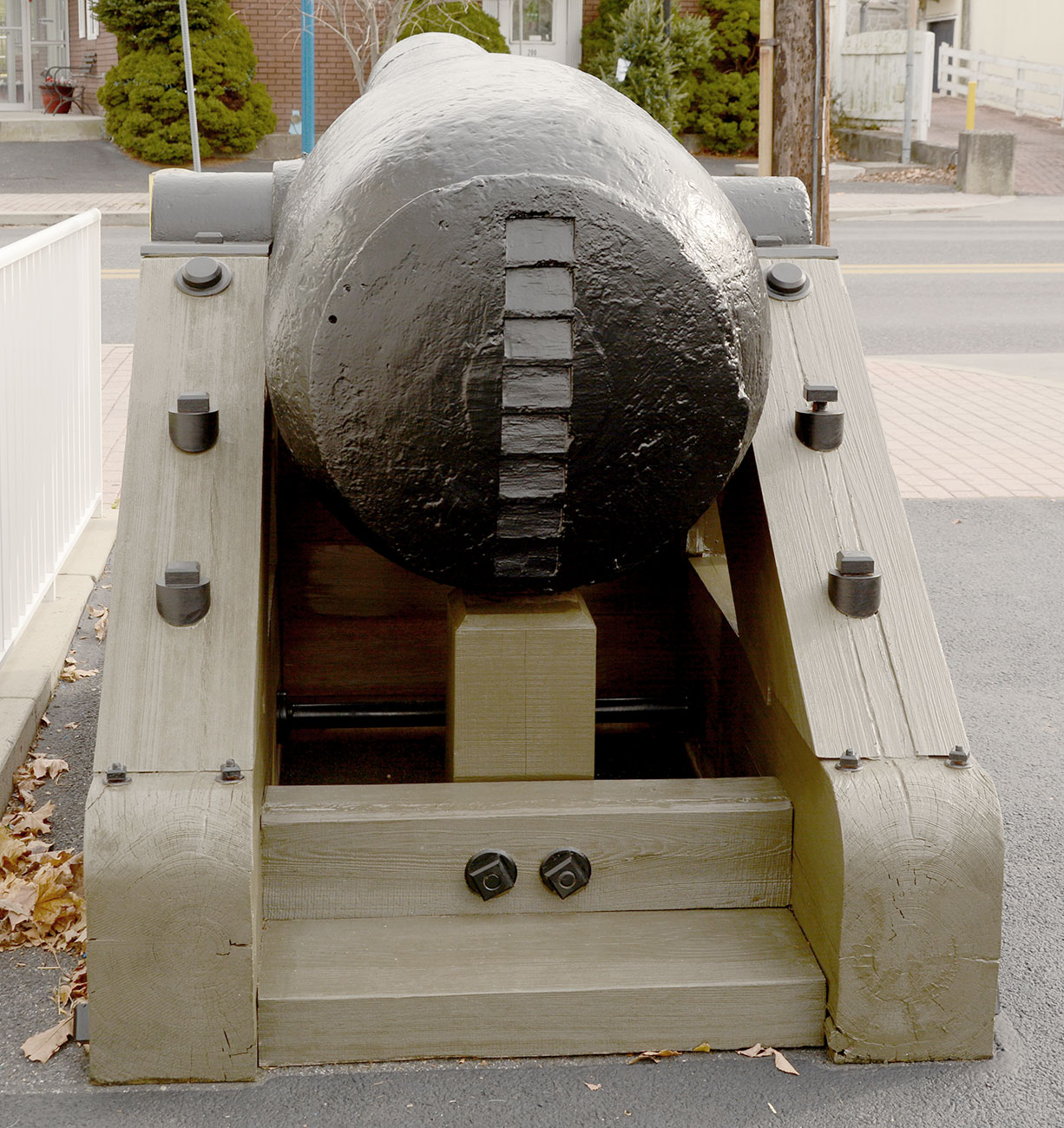
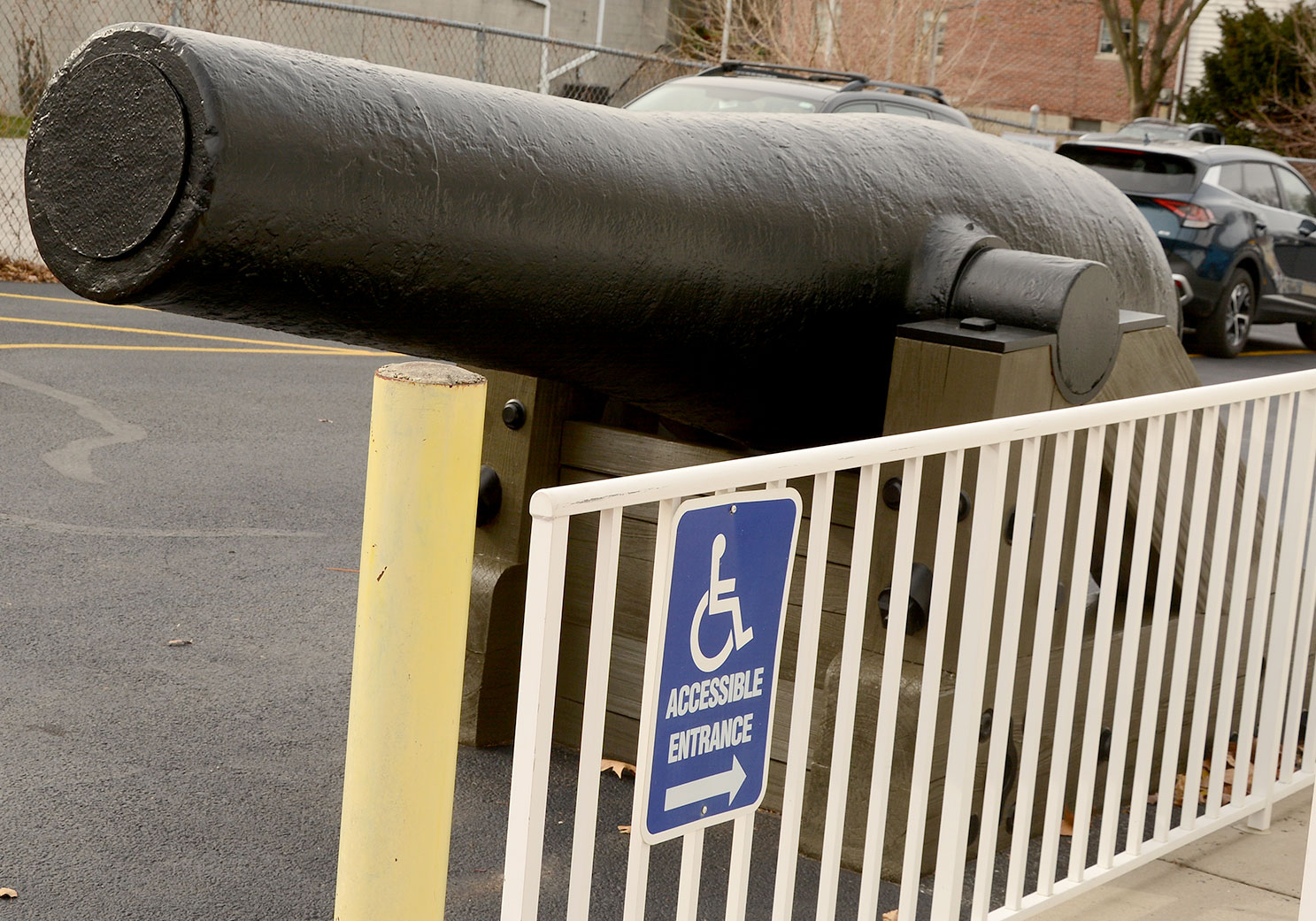
This particular cannon has an interesting history. After being produced, it was shipped to a confederate coastal fort, most likely in the defenses of Charleston, SC. After the war ceased, it was purchased in 1877 by a northern scrap iron company to be melted down. The three masted schooner “Philadelphia” was commissioned to carry this cannon and several others from Charleston, SC to Philadelphia, PA. The ship was probably overloaded in an effort to ship the material in an efficient manner. It sank in a storm in February 1877 off of Georgetown, SC. The cannon languished in a watery grave until modern salvage diver, Glen Dutton, helped research and locate the wreck. Long Bay Salvage Company, applied for salvage rights and to date, six cannons have been brought to the surface and restored since the early 2010’s. The conservation process takes two years to complete. This cannon has a fresh coat of black paint and the wood carriage is freshly green painted. The carriage is an exact reproduction of the stationary heavy gun mounting with water resistant wood.
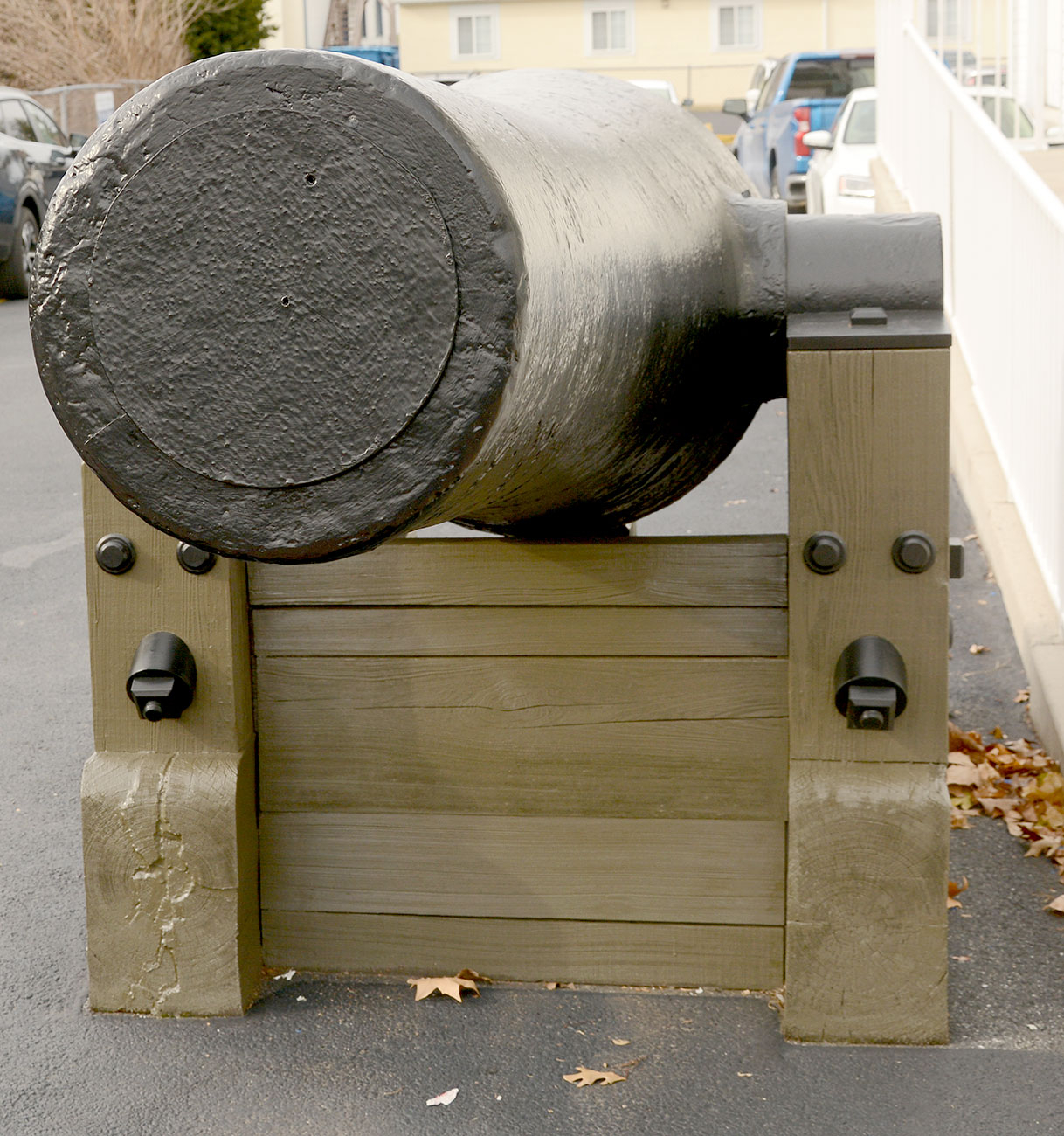
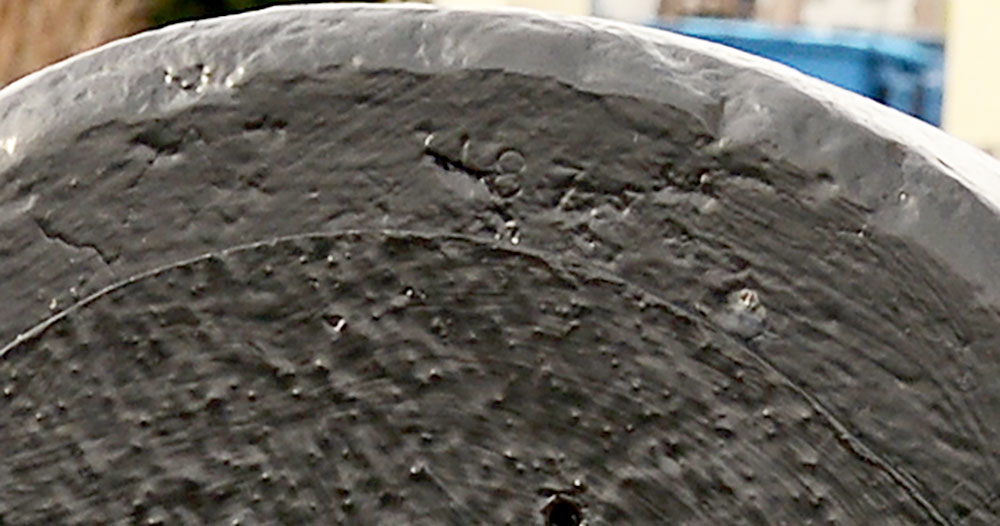
The muzzle bears foundry number 1877 and is dated on the left trunnion 1863. Mounted on a wooden reproduction sea coast permanent carriage. The 1997 book “The Big Guns” by Olmstaed, Stark and Tucker note that fifteen 10” confederate Columbiads survive. Seven produced at the Bellona, VA Arsenal and eight by Tredegar. These “Philadelphia” ship cannons were previously unknown survivors and did not make the cannon registry. The known 10” Tredegar Columbiad listed before is Foundry muzzle number 1735, dated 1863, cast on January 13th, 1863. It is currently situated at Fort Donaldson, TN. The one after is muzzle number 2005, dated 1864, cast on December 10th, 1863, weighing 13,369 pounds. Currently situated at Georgetown, SC. With the previous recorded 15 and the additional 6 retrieved from the Philadelphia wreck, a total of 21 Confederate 10” Columbiads now exist.
Our cannon weighs at least 13,000 pounds. The overall size, mounted on the stationary carriage, is 55” wide by 137” long and standing 39” tall. The tube itself is 16” round at the muzzle, 29” round at the breech and 123” long. The trunnions are 10” round. The bore is protected from weather with a removable tompion. The bore is somewhat rough, as to be expected with underwater submersion. The exterior surface is in good condition with light pitting and scaling but, sealed with new paint. The casting flaws from the typical Tredegar moulds are still visible (see Fort Johnson Battery, Charleston, SC Picture for example). The right trunnion shows pitting and no marks are visible. It would have had a J.R.A. inspector stamp for Joseph Reid Anderson. Shipping can be arranged.
This cannon from the former Texas Museum, was displayed in a prominent location and would be an outstanding center piece of any civil war collection. [STP][ph:L]
~~~~~~~~~~~~~~~~~~~~~~~~~~~~~~~~~~~
THIS ITEM, AS WITH ALL OTHER ITEMS AVAILABLE ON OUR WEB SITE,
MAY BE PURCHASED THROUGH OUR LAYAWAY PROGRAM.
CLICK HERE FOR OUR POLICIES AND TERMS.
THANK YOU!
Inquire About 10” CONFEDERATE COLUMBIAD CANNON-TREDEGAR IRON WORKS - FORMER TEXAS MUSEUM
Most Popular
Historical Firearms Stolen From The National Civil War Museum In Harrisburg, Pa »
Theft From Gravesite Of Gen. John Reynolds »
Selection Of Unframed Prints By Don Troiani »
Fine Condition Brass Infantry Bugle Insignia »
Rare Identified 65Th Ny Sergeant’s Jacket, With Manscript Material: 1St U.s. Chasseurs »
featured item
WORLD WAR TWO / KOREA UNITED STATES MARINE CORPS OFFICER’S MAMALUKE SWORD
The drawn sword meas. approx. 36.00 inches long. The blade itself meas. approx. 31.00 inches long x 0.75 of an inch wide at the ricasso. It has a central fuller that starts just above the ricasso and runs for approx. 27.00 inches. The blade surface… (2021-944). Learn More »
site search